Helping Children Enjoy Group Participation
In a world that often feels busy and disconnected, encouraging children to engage in group activities can be a precious gift.
Group participation not only fosters social skills but also nurtures a sense of belonging and teamwork.
Whether it’s in a classroom, a sports team, or a community project, the joy of working together can be immensely fulfilling. Here are some gentle ways to help children embrace these experiences and find joy in collaboration.
Creating a Warm Environment
One of the most important aspects of group participation is the environment in which it takes place. Children thrive in settings where they feel safe and valued. As caregivers, teachers, or parents, it’s essential to create a space where children can express themselves freely. This can be as simple as encouraging them to share their thoughts and feelings without fear of judgment. When children know their voices matter, they are more likely to engage and contribute.
Consider the dynamics of the group as well. Mixing children of varying skill levels can help create a supportive atmosphere. When stronger participants offer encouragement, it not only builds confidence in others but also fosters camaraderie. This sense of unity can make any group activity more enjoyable.
Encouraging Individual Strengths
Every child has unique strengths and interests. Recognizing these can play a significant role in enhancing their group participation. Take the time to observe what excites each child. Do they love to draw, tell stories, or solve puzzles? By integrating their passions into group activities, you can spark enthusiasm and motivate them to engage more fully.
For example, if a child enjoys storytelling, they could lead a group narrative project. If another has a knack for art, perhaps they could design the visuals for a group presentation. When children see their strengths being utilized, they feel valued and are more inclined to participate actively.
Fostering Collaboration
Teaching children the value of collaboration is crucial. Group projects can sometimes lead to conflicts, but these moments are opportunities for growth. Encouraging children to communicate openly about their ideas and concerns can help them learn to navigate differences. Role-playing scenarios can also be beneficial, allowing children to practice how to express their thoughts respectfully and listen to others.
As they work through these challenges together, they develop important life skills like negotiation and empathy. Celebrating small victories as a group, whether it’s completing a task or simply having fun together, reinforces the idea that cooperation leads to success.
Nurturing a Growth Mindset
Instilling a growth mindset in children can dramatically impact their approach to group participation. When children understand that challenges are a natural part of learning, they become more resilient and willing to try new things. Encouraging them to view mistakes as opportunities for growth can help reduce the fear of failure that often hinders participation.
You can model this mindset by sharing your own experiences with challenges and how you overcame them. Discussing famous figures who faced adversity can also inspire them. The more children see that persistence and effort lead to improvement, the more likely they are to embrace group activities, even when they feel unsure.
Making It Fun
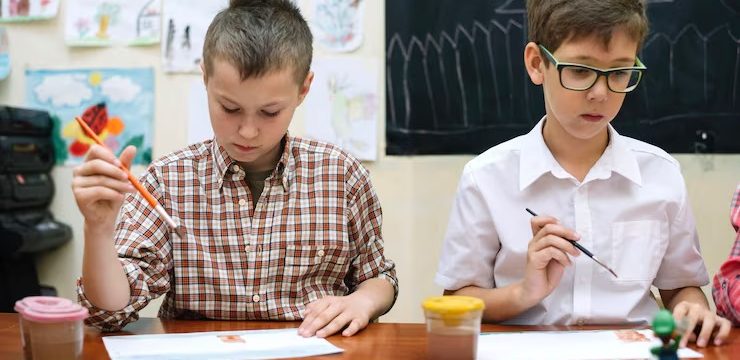
At its core, group participation should be enjoyable. Incorporating elements of fun can transform a potentially stressful situation into a delightful experience. Consider introducing games or playful activities that require teamwork. Whether it’s a scavenger hunt or a collaborative art project, the laughter and joy that come from these experiences can create lasting memories.
Incorporating music, dance, or creative storytelling can also lighten the atmosphere. The key is to allow children to express themselves in a way that feels natural to them. When they associate group participation with fun, they are more likely to look forward to future activities.
Encouraging Reflection
After group activities, taking a moment to reflect can be incredibly beneficial. Encourage children to share their thoughts about what they enjoyed and what they found challenging. This practice not only reinforces their learning but also helps them articulate their feelings and experiences.
You might ask open-ended questions like, “What was your favorite part of working together?” or “How did it feel to share your ideas?” This reflection can deepen their understanding of the value of group participation and foster a sense of accomplishment.
Building Lasting Connections
Ultimately, the goal of encouraging group participation is to help children form lasting connections with their peers. These relationships can provide support throughout their lives. As they learn to work together, they also learn to trust and rely on one another, creating a network of friendships that can be a source of comfort and joy.
Facilitating opportunities for children to bond outside of structured activities can further strengthen these connections. Simple playdates, community events, or family gatherings can provide informal settings where friendships can flourish. When children feel connected to their peers, their enthusiasm for group participation naturally increases.
Celebrating Diversity
In today’s diverse world, group participation offers a wonderful opportunity for children to learn from one another. Encouraging an appreciation for different backgrounds and perspectives can enrich their experiences. When children interact with peers who have different cultures, interests, or abilities, they gain a broader understanding of the world around them.
Promoting inclusivity within group activities is essential. This might involve adapting tasks to ensure everyone can contribute or encouraging children to share their unique traditions or stories. Celebrating diversity not only enhances group dynamics but also fosters empathy and understanding.
In conclusion, helping children enjoy group participation is a beautiful journey that requires patience, understanding, and creativity. By creating a warm environment, recognizing individual strengths, fostering collaboration, nurturing a growth mindset, and making activities fun, we can guide children toward a fulfilling experience. As they build connections and learn to appreciate diversity, they will carry these valuable lessons into their futures, enriching not only their lives but also the lives of those around them.