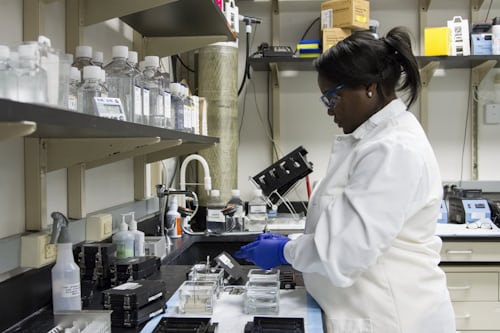
In recent years, biotechnology has become a beacon of hope, illuminating pathways to a healthier, more sustainable world.
While the term may conjure images of high-tech laboratories and complex scientific processes, its impact reaches far beyond the confines of academia and industry.
At its core, biotechnology is about harnessing biological systems to improve lives, and this is especially true when it comes to supporting community well-being.
A gentle embrace of nature’s potential
Biotechnology often takes inspiration from the natural world, tapping into the intricate relationships that exist within ecosystems. By understanding how organisms interact, scientists and researchers are finding innovative ways to address pressing societal challenges. From agriculture to healthcare, these advancements are designed not just to improve individual lives but to uplift entire communities.
In agriculture, for instance, biotechnological innovations have led to the development of crops that are more resilient to climate change. These crops can withstand drought and pests, ensuring that farmers can maintain their livelihoods even in the face of unpredictable weather patterns. When communities can rely on a stable food supply, they experience reduced anxiety and improved overall well-being. This stability encourages local economies to flourish, allowing families to invest in education, healthcare, and other essential services.
Fostering health and nutrition
The intersection of biotechnology and health is another area where community well-being shines through. Advances in this field have led to the creation of more nutritious food options, which are crucial for improving public health. Biofortification, for example, enhances the nutritional content of staple crops, making them richer in vitamins and minerals. By providing communities with access to healthier food choices, biotechnology contributes to better overall health outcomes.
Moreover, biotechnology plays a pivotal role in developing vaccines and treatments for various diseases. In times of public health crises, such as the recent pandemic, biotechnological innovations have proven essential in protecting communities. Vaccines developed through biotechnological methods have saved countless lives and allowed communities to return to a sense of normalcy. When individuals feel safe and healthy, they are better equipped to engage in their communities, fostering connections and support networks.
Nurturing the environment
The well-being of a community is intrinsically linked to its environment. Sustainable practices, supported by biotechnology, can help protect our planet while simultaneously enhancing the quality of life for those who inhabit it. For example, bioremediation uses microorganisms to clean up contaminated environments, restoring ecosystems and making them safe for communities to thrive.
Additionally, biotechnology is being utilized to create biodegradable materials and sustainable alternatives to traditional plastics. By reducing waste and pollution, communities can enjoy cleaner surroundings, leading to improved mental and physical health. A clean environment is not only visually appealing but also promotes outdoor activities and social interactions, which are vital for community bonding.
Empowering local economies
The integration of biotechnology into local economies can be transformative. By fostering innovation and entrepreneurship, communities can create jobs and stimulate economic growth. Startups and small businesses that focus on biotechnological advancements often lead to the development of new products and services that cater to local needs. This economic stimulation creates a ripple effect, allowing families to thrive and invest back into their communities.
Education and training in biotechnology can also empower individuals, providing them with valuable skills that are in demand in today’s job market. As communities become more knowledgeable about biotechnological processes, they can take charge of their own development, ensuring that their unique needs are met and that they are not reliant on external solutions.
Building connections through science
At its heart, biotechnology is a collaborative effort. Scientists, researchers, farmers, and communities come together to address shared challenges. This collaboration fosters a sense of belonging and purpose, as individuals work toward common goals. Science fairs, community workshops, and educational programs help bridge the gap between complex scientific concepts and everyday life, making biotechnology accessible to all.
These connections extend beyond the local community. Global partnerships in biotechnology allow for the sharing of knowledge and resources, helping communities learn from one another. Whether it’s a farmer in a rural village or a scientist in a bustling city, the exchange of ideas can spark innovation that benefits everyone.
A vision for the future
Looking ahead, the potential for biotechnology to enhance community well-being is vast. As research continues to unfold, new opportunities will emerge to improve health, sustainability, and economic stability. Communities can embrace these advancements with open arms, fostering a culture of curiosity and exploration.
However, it is essential to approach biotechnology with a sense of responsibility and ethics. As we harness the power of science, we must ensure that advancements are inclusive and equitable, benefiting all members of society. This commitment to fairness will help build stronger, healthier communities that can thrive for generations to come.
In conclusion, biotechnology is more than just a scientific discipline; it is a vital force for community well-being. By nurturing our relationship with nature, improving health and nutrition, fostering economic growth, and building connections, biotechnology holds the promise of a brighter future. As we continue to explore this fascinating field, let us do so with a spirit of collaboration and an unwavering commitment to uplifting our communities. Together, we can create a world where everyone has the opportunity to flourish.