How Children Build Early Foundations
In the tender years of childhood, layers of learning and experience come together to form the building blocks of a young person’s future.
The early years are not just about physical growth; they are a rich tapestry woven from emotional, social, and cognitive threads.
As parents, caregivers, and educators, understanding how children build these early foundations can help us nurture their development in a way that feels natural and supportive.
The importance of play cannot be overstated. Children learn through play, discovering the world around them in a way that is both engaging and enlightening. When they immerse themselves in imaginative activities, they are not merely having fun; they are practicing essential skills. For instance, when children engage in role-playing games, they explore different perspectives, which fosters empathy and social awareness. As they navigate these scenarios, they learn to communicate, negotiate, and cooperate with others, laying the groundwork for healthy relationships in the future.
Language development is another vital piece of the puzzle. From the moment they are born, children are absorbing sounds, words, and rhythms. Reading to them, engaging in conversations, and encouraging them to express their thoughts and feelings can significantly enhance their language skills. As they begin to articulate their needs and ideas, they gain confidence in their ability to communicate with the world. This growing command of language not only enriches their vocabulary but also deepens their understanding of the social interactions that shape their lives.
Emotional intelligence is equally important in these formative years. Children experience a wide range of emotions, and learning to identify and express these feelings is crucial for their emotional development. Parents can provide a safe space for children to explore their emotions by validating their feelings and encouraging open dialogue. When children learn that it’s okay to feel sad, happy, angry, or scared, they begin to understand their emotional landscape, which contributes to resilience and self-regulation as they grow.
A small shift toward balance can be made by introducing mindfulness practices into a child’s routine. Simple breathing exercises or moments of quiet reflection can help children learn to manage their emotions and cultivate a sense of calm. Teaching them to pause and breathe when they feel overwhelmed can become an invaluable tool as they navigate life’s ups and downs. These practices not only enhance their emotional health but also support their ability to focus and engage with the world around them.
Social interactions play a crucial role in shaping children’s understanding of themselves and others. Through interactions with peers and adults, children learn valuable lessons about cooperation, conflict resolution, and empathy. Encouraging playdates or group activities allows them to practice these skills in real-time. It’s in these moments of connection that they learn to navigate the complexities of friendship and community, helping them build a sense of belonging that is essential for their development.
As children grow, their curiosity about the world expands. Providing opportunities for exploration and discovery can ignite a lifelong love of learning. Nature walks, visits to museums, and hands-on science experiments can spark their interest and encourage critical thinking. When children are given the freedom to explore and ask questions, they develop a sense of agency and a desire to understand the world around them. This intrinsic motivation is a powerful foundation for future academic and personal success.
In addition to cognitive and emotional growth, physical development is an integral part of a child’s early foundation. Encouraging active play and outdoor activities supports not only their physical health but also their overall well-being. Whether it’s climbing at the playground, dancing in the living room, or riding a bike, movement is essential for children. It builds strength, coordination, and confidence while also providing an outlet for their energy. A healthy balance of physical activity can set the stage for lifelong habits of fitness and wellness.
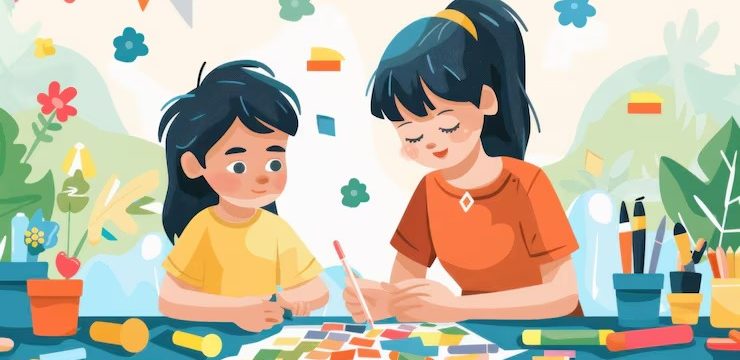
As parents and caregivers, it’s vital to create an environment that fosters curiosity, creativity, and connection. This can be achieved by providing a variety of experiences and resources that stimulate a child’s imagination. Craft supplies, musical instruments, books, and outdoor play equipment can all contribute to a rich environment where children feel free to explore and express themselves. When children feel supported in their pursuits, they are more likely to take risks and develop a sense of resilience in the face of challenges.
In the midst of nurturing their growth, it’s important to remember that the journey is not about perfection. Children will stumble and fall, both literally and metaphorically, and these moments are opportunities for learning. Encouraging a growth mindset—where mistakes are seen as a natural part of the learning process—can help children develop confidence in their abilities. When they understand that effort and perseverance are key to overcoming obstacles, they are more likely to embrace challenges as they arise.
Ultimately, the early years are a precious time of exploration, learning, and growth. By fostering an environment that values emotional intelligence, social connections, cognitive development, and physical activity, we can help children build strong foundations that will support them throughout their lives. As they grow and navigate the world, the skills and lessons learned in their formative years will continue to shape their experiences, guiding them toward a future filled with possibility and promise.
In this beautiful journey of early childhood, each moment spent nurturing their development is a step toward creating a resilient, compassionate, and curious individual. By embracing the complexities of their growth and providing the right support, we can help children flourish in their unique ways, laying the groundwork for a fulfilling life ahead.