In the intricate tapestry of childhood, social misunderstandings can often create knots that leave our little ones feeling confused, hurt, or isolated.
As parents, caregivers, or educators, we hold the gentle power to guide them through these moments, helping them to untangle their feelings and find clarity in their social interactions.
By fostering an environment of understanding and patience, we can equip children with the tools they need to navigate their relationships with confidence and empathy.
Understanding the roots of social misunderstandings is essential. Children are still learning the nuances of communication, both verbal and non-verbal. Their understanding of friendship, sharing, and cooperation is often shaped by their experiences, yet they may misinterpret intentions or feelings. For instance, a child might not grasp that a friend’s silence could stem from shyness rather than disinterest. This is where our role becomes pivotal—offering support and guidance as they make sense of these complex social cues.
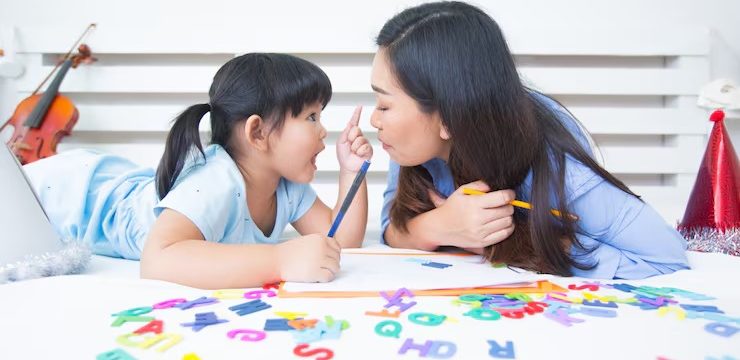
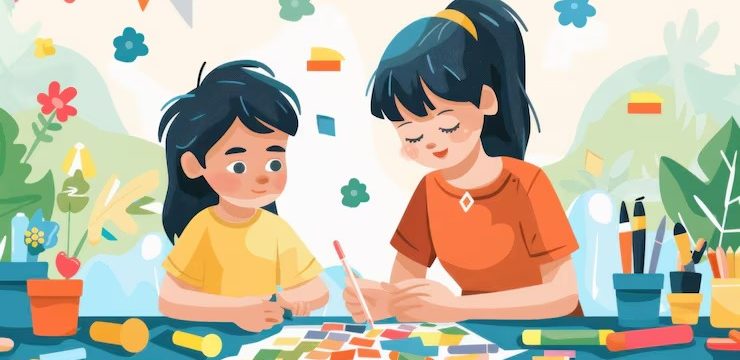
Creating a safe space for dialogue is the first step towards resolution. Encourage children to express their feelings openly. When they come to you with a concern about a misunderstanding, listen actively. Reflecting back what they say can help them feel heard and validated. For example, if a child expresses sadness over being left out, acknowledge their feelings by saying, “It sounds like you felt really hurt when that happened.” This simple act of validation can empower them to explore their emotions more deeply and understand that it’s okay to feel upset.
It’s also beneficial to guide children in identifying their own feelings and those of others. This can be done through storytelling or role-playing, where they can step into different characters’ shoes. By discussing various scenarios, children can learn to recognize emotions in themselves and their peers. Ask open-ended questions like, “How do you think your friend felt when that happened?” This not only nurtures empathy but also encourages critical thinking about relationships.
A gentle shift toward balance can often be achieved by teaching problem-solving skills. When conflicts arise, it’s helpful to guide children through a process of resolution. Encourage them to think about possible solutions and the consequences of each. For instance, if a misunderstanding has led to a disagreement, ask them what they think could help mend the rift. This not only empowers them to take charge of their social interactions but also instills a sense of responsibility in resolving conflicts.
Another important aspect of supporting children through social misunderstandings is modeling healthy communication. Children learn a great deal from observing the adults around them. By demonstrating how to articulate feelings, express apologies, or ask for clarification, we provide them with a roadmap for navigating their own social landscapes. When we show them how to approach misunderstandings with kindness and openness, they are more likely to mirror that behavior in their interactions.
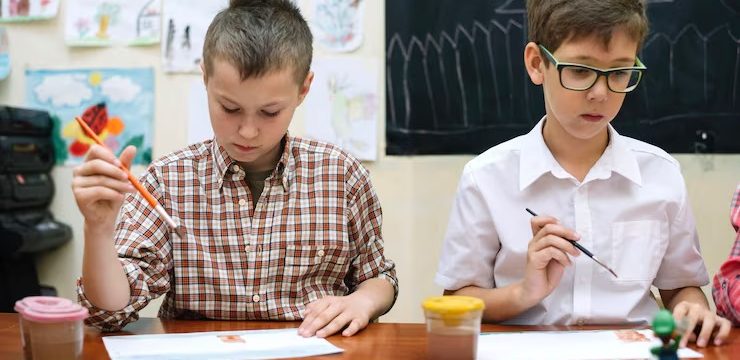
Encouraging inclusivity is also a vital part of supporting children in their social journeys. Help them understand the value of inclusion and the importance of reaching out to peers who may feel left out. Simple acts, like inviting a quieter child to join in on a game, can make a significant difference in fostering friendships and reducing misunderstandings. Reinforcing the idea that everyone has something unique to contribute can help children appreciate diversity in their social circles.
It’s equally important to recognize that not every misunderstanding will be resolved immediately. Patience is key. Sometimes, children need time to process their feelings and experiences. Allowing them the space to reflect can lead to deeper insights and a greater understanding of their emotions. Encourage them to take a break if they feel overwhelmed, reminding them that it’s okay to step back and revisit the issue later.
As children grow, their social skills will develop and mature. However, the foundation we help them build during their formative years can last a lifetime. By providing support in resolving social misunderstandings, we cultivate resilience and emotional intelligence. These qualities will not only aid them in their current relationships but also serve them well into adulthood.
Promoting open conversations about feelings and relationships can also be a wonderful way to enrich family life. Consider setting aside regular times for family discussions where everyone can share their day-to-day experiences. This practice can help normalize talking about emotions and social situations, making it easier for children to approach you when they encounter misunderstandings.
Encouraging friendships outside of the immediate circle is another way to enrich your child’s social experience. Playdates with new friends or group activities can expose them to diverse perspectives and help them learn how to navigate different social dynamics. Each new interaction is an opportunity for growth and learning, equipping them with the skills they need to handle future misunderstandings with grace.
As we support our children in resolving social misunderstandings, we also foster a sense of community and belonging. Children who feel supported are more likely to develop healthy relationships and engage positively with their peers. By teaching them the value of empathy, active listening, and problem-solving, we empower them to navigate their social worlds with confidence and kindness.
In the end, every moment spent guiding children through social hiccups is an investment in their emotional well-being. By nurturing their ability to understand and resolve misunderstandings, we prepare them for a lifetime of meaningful connections. The journey may be filled with challenges, but with our support, children can learn to embrace these experiences as valuable lessons in their growth. As they learn to navigate the complexities of relationships, we can take comfort in knowing we are helping to shape compassionate, resilient individuals ready to face the world.