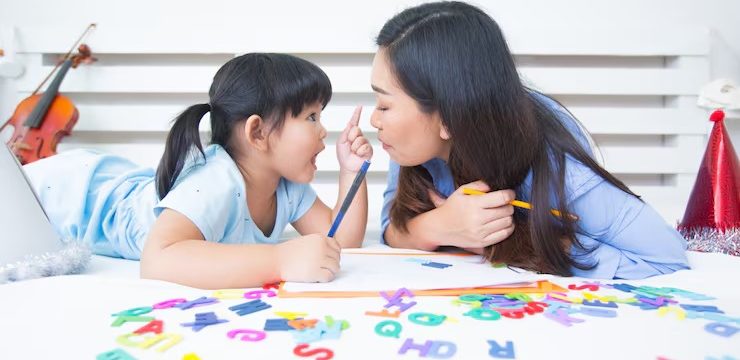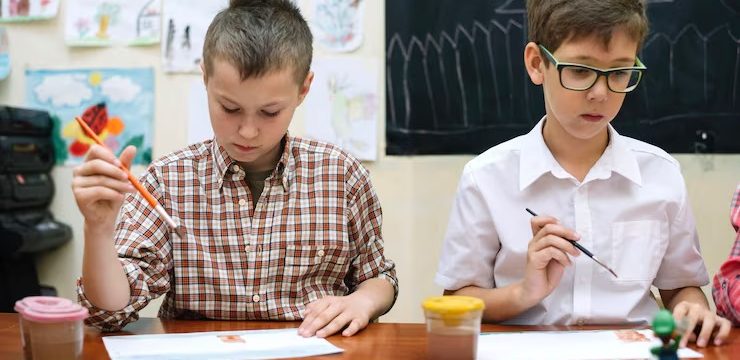
In a world that often feels rushed and filled with distractions, teaching children the importance of appreciation can be a transformative gift.
Gratitude is more than just saying thank you; it’s about nurturing a mindset that recognizes the beauty in everyday moments and the kindness of others.
Instilling this value in children can shape their interactions and enrich their lives in profound ways.
Creating a culture of appreciation starts at home. Children are keen observers, absorbing the behaviors and attitudes of those around them. By modeling gratitude in your daily life, you lay the groundwork for your children to follow. Simple gestures, like thanking a family member for preparing a meal or expressing appreciation for a friend’s help, can speak volumes. When they see you acknowledging the small acts of kindness, they learn to do the same.
A gentle approach can make a significant difference. Instead of presenting gratitude as a task or a checklist, weave it into the fabric of daily conversation. Encourage your children to share something they appreciated each day at dinner. It could be as simple as enjoying a sunny day or being grateful for a favorite toy. This practice not only fosters a sense of mindfulness but also strengthens family bonds, creating a safe space for open communication.
Engaging in activities that promote appreciation can also be a delightful way to teach this value. Consider initiating a family gratitude jar. Each member can write down things they are thankful for on slips of paper and place them in the jar. Over time, you can revisit these notes together, reflecting on the moments that brought joy. This simple ritual not only reinforces the practice of gratitude but also creates lasting memories that your family can cherish.
Incorporating appreciation into daily routines can be as effortless as it is impactful. When children help with chores or contribute to family projects, take a moment to acknowledge their efforts. A heartfelt “thank you” can make them feel valued and recognized. This small act encourages them to appreciate the contributions of others as well, fostering a sense of community and belonging.
As children grow, their understanding of appreciation can evolve. Introduce them to the idea of giving back. Participating in community service or helping a neighbor can provide a deeper perspective on gratitude. When children see the impact of their actions on others, it cultivates empathy and reinforces the importance of appreciation in the broader context of life.
Encouraging children to express their feelings is another vital aspect of teaching appreciation. Help them articulate their thoughts by asking open-ended questions. Instead of simply asking if they liked a gift, encourage them to share what they enjoyed about it or how it made them feel. This practice not only enhances their emotional intelligence but also helps them connect their feelings of gratitude to specific experiences.
As the seasons change and holidays approach, these moments can serve as beautiful opportunities to teach appreciation. Whether it’s Thanksgiving, a birthday, or simply a family gathering, encourage your children to reflect on what they are thankful for. You might create a tradition of writing thank-you notes to family and friends, reinforcing the importance of acknowledging others’ kindness. This simple act can leave a lasting impression, teaching them that appreciation is not just a fleeting thought but a meaningful expression of gratitude.
Cultivating an appreciation for nature can also enrich a child’s understanding of gratitude. Spend time outdoors, encouraging them to notice the beauty around them, from blooming flowers to starry skies. Discussing these experiences can help them develop a sense of wonder and appreciation for the world. Nature walks, picnics, or gardening can serve as delightful backdrops for teaching children to cherish what they have and the environment they inhabit.
Creating opportunities for reflection can deepen children’s understanding of appreciation. Encourage them to keep a gratitude journal, where they can jot down moments, people, or experiences they are thankful for. This practice can cultivate mindfulness and help them recognize patterns of gratitude in their lives. Over time, they may find that even on challenging days, there is always something to appreciate.
In teaching children how to show appreciation, it’s essential to recognize that this is a lifelong journey. Children may not always express gratitude in ways that adults expect, but their understanding will grow and change over time. Patience is key. Celebrate their efforts, no matter how small, and continue to guide them gently along this path.
As they develop their appreciation skills, children will likely carry these values into their relationships with friends, teachers, and even strangers. A simple act of kindness, a warm smile, or a heartfelt thank you can create ripples of positivity in the world around them.
Ultimately, teaching children to show appreciation is about nurturing a mindset that values connection, kindness, and empathy. It’s a gift that enriches their lives and the lives of those they encounter. By cultivating gratitude in their hearts, we empower them to navigate the world with a sense of wonder and a deep appreciation for the beauty that surrounds them. In doing so, we prepare them to contribute to a kinder, more compassionate world, one small act of gratitude at a time.