The journey of emotional development is a fascinating and deeply personal experience, one that begins even before we take our first steps as infants.
From the moment we enter the world, we are immersed in an environment rich with emotions, cues, and connections.
These early interactions shape the foundation of our emotional understanding, influencing how we perceive ourselves and engage with others throughout our lives.
As new parents or caregivers, the initial steps in fostering emotional development can feel both exciting and daunting. How do we nurture this delicate aspect of our children’s growth? It starts with awareness and a commitment to creating a loving atmosphere where emotions can be expressed freely and authentically.
A warm embrace of emotional expression is vital. Babies are naturally attuned to the emotions of those around them, responding to smiles, frowns, and tones of voice. This early emotional communication lays the groundwork for their ability to recognize and interpret feelings. Engaging in eye contact, gentle touch, and responsive reactions to a child’s coos and cries can significantly enrich their emotional landscape. This responsiveness helps them develop a sense of security, knowing that their feelings are valid and acknowledged.
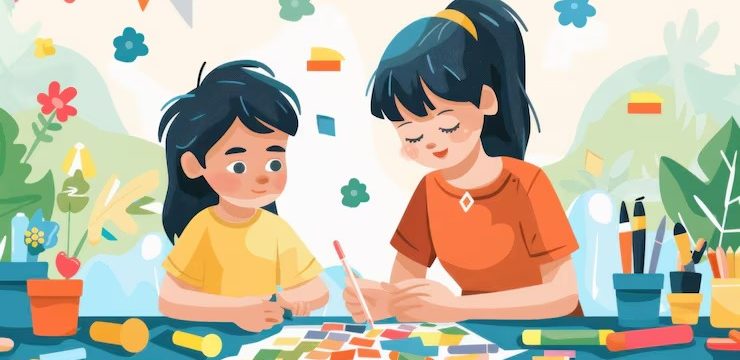
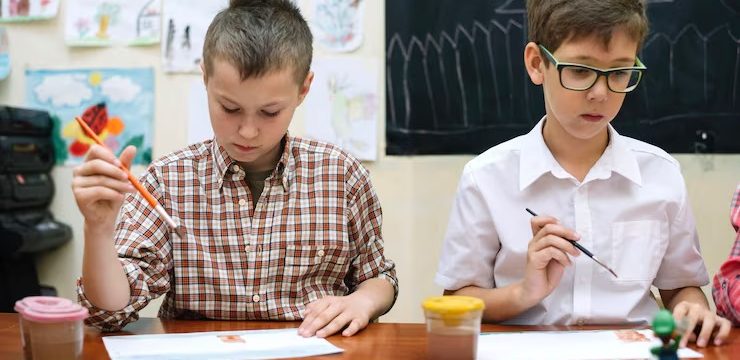
As children grow, their emotional awareness expands. They begin to explore not only their own emotions but also those of others. This is where the beauty of empathy comes into play. Encouraging children to express how they feel, whether through words, art, or play, fosters a deeper understanding of their own emotional world. It’s essential to create a safe space for them to share their thoughts and feelings without judgment. By validating their emotions—whether they are happy, sad, angry, or confused—we teach them that it’s okay to feel deeply.
A small shift toward balance can be achieved by introducing simple emotional vocabulary into daily conversations. Instead of merely asking if they are happy or sad, we can encourage them to explore a spectrum of feelings. Words like “frustrated,” “excited,” or “nervous” can open the door to richer discussions. The more they learn to articulate their emotions, the more equipped they will become to navigate the complexities of their feelings as they grow.
Playtime is an essential aspect of emotional development. Through play, children explore their inner worlds, experimenting with different roles and scenarios. This imaginative exploration allows them to express fears, joys, and conflicts in a safe environment. Encouraging play that reflects various emotional situations can help children understand the nuances of feelings. Whether it’s through storytelling, role-playing, or creative arts, play serves as a powerful tool for emotional expression and learning.
As children transition into school and social settings, their emotional development takes on new dimensions. They start to interact with peers, each bringing their own emotional experiences into the mix. This is where the importance of social-emotional skills becomes apparent. Teaching children about teamwork, sharing, and conflict resolution equips them with the tools they need to navigate friendships and social dynamics. It’s crucial to guide them through these interactions, helping them understand the impact of their actions on others and the importance of compassion.
The role of caregivers in this journey cannot be overstated. Children often look to adults for guidance on how to handle emotions. Modeling healthy emotional expression is essential. When we demonstrate vulnerability and resilience, we teach our children that it’s normal to experience a range of feelings. Sharing our own emotional experiences, especially during challenging times, can provide valuable lessons in coping and recovery. This connection fosters a bond of trust, allowing children to feel safe in expressing their own emotions.
As children grow into adolescence, emotional development becomes even more intricate. They begin to grapple with identity, self-esteem, and the myriad of changes that come with growing up. During this time, it’s important to maintain open lines of communication. Creating an environment where they feel comfortable discussing their thoughts and feelings can make a significant difference. Listening without judgment and offering support helps them navigate the ups and downs of adolescence.
Encouraging self-reflection is another key aspect of emotional development during these years. Helping teens understand their emotions and the reasons behind them can empower them to take control of their emotional health. Journaling, creative expression, or even simple discussions can facilitate this self-exploration. By encouraging them to reflect on their feelings, we help them develop a deeper understanding of themselves and their emotional triggers.
As we consider the broader context of emotional development, it’s important to recognize that each child’s journey is unique. Factors such as cultural background, family dynamics, and individual temperament all play a role in shaping emotional growth. As caregivers, embracing this diversity is essential. Understanding that there is no one-size-fits-all approach allows us to tailor our support to each child’s needs.
Ultimately, the first steps in emotional development are about creating a nurturing environment where emotions can thrive. By fostering open communication, encouraging self-expression, and modeling healthy emotional behavior, we help children build a strong foundation for their emotional well-being. This journey is not just about helping them understand their feelings but also about equipping them with the tools to navigate life’s emotional landscape with grace and resilience.
As we support our children in their emotional development, we also embark on our own journey. The process of understanding emotions is ongoing and can lead to deeper connections and a greater sense of empathy in our lives. By prioritizing emotional growth, we contribute to a world where emotional intelligence and kindness flourish, benefiting not only our children but also the communities they will one day help shape.