Animation is a captivating art form that combines creativity, storytelling, and technical skill.
Whether you’re a seasoned animator or just starting, one truth remains constant: practice is vital.
The journey of mastering animation is a beautiful blend of art and science, requiring patience, persistence, and a willingness to learn.
When you think about animation, it often conjures images of vibrant characters, whimsical worlds, and dynamic storytelling. Yet behind every frame lies countless hours of practice, refining techniques, and exploring new methods. As with any art form, the road to becoming a skilled animator is paved with dedication and a love for the craft.
Finding your rhythm
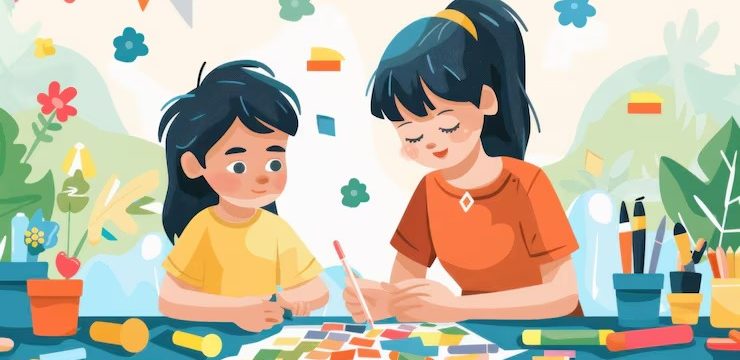
For many, the path begins with a simple pencil and paper. Sketching is the foundation of animation, and through practice, one can develop a unique style that feels authentic. Each stroke contributes to a deeper understanding of form, movement, and expression. As you draw, you begin to notice the subtleties of how characters move and react, which is essential for creating believable animations.
It’s important to remember that every artist has their own journey. The key is to find a rhythm that works for you. Some may thrive in structured environments, while others prefer a more freeform approach. Embracing your personal style and pace can make the practice feel less like a chore and more like a joyful exploration of your creativity.
The art of observation
One of the most valuable skills an animator can develop is the ability to observe the world around them. Whether it’s the way a leaf falls from a tree or how people interact in a café, these moments can serve as inspiration for your work. Practicing observation can enhance your animation skills, as it allows you to infuse your characters with lifelike qualities.
Consider keeping a sketchbook handy for those spontaneous moments of inspiration. This practice not only hones your drawing skills but also encourages you to engage with your environment more deeply. Over time, you’ll find that these small observations can transform into rich narratives, breathing life into your animations.
Experimenting with techniques
Animation is an ever-evolving field, filled with various techniques and styles. From traditional hand-drawn animation to cutting-edge digital methods, the possibilities are endless. As you practice, allow yourself the freedom to experiment with different techniques. This exploration can lead to unexpected discoveries that enhance your artistic voice.
Perhaps you might try your hand at stop-motion animation, using everyday objects to create a story. Or maybe you’ll delve into 3D modeling and discover a new dimension to your creativity. Each technique you explore adds a layer to your skill set, enriching your animations in ways you may not have anticipated.
The role of feedback
As you embark on your animation journey, feedback can be an invaluable tool. Sharing your work with others—be it friends, family, or fellow animators—can provide fresh perspectives that inspire growth. Constructive criticism, when approached with an open mind, can illuminate areas for improvement and spark new ideas.
In a world where collaboration is often key, engaging with a community can foster a sense of camaraderie. Online forums, social media groups, or local workshops offer spaces where animators can connect, share, and learn from one another. This exchange of ideas not only enhances your skills but also nurtures a supportive environment where creativity can flourish.
Cultivating resilience
The journey of an animator is not always smooth. There will be moments of frustration, self-doubt, and creative blocks. It’s essential to cultivate resilience during these times. Understanding that setbacks are part of the learning process can help you navigate challenges with grace.
Embrace the idea that practice is not solely about perfection. It’s about progress, exploration, and growth. Each failed attempt is a stepping stone toward improvement. Allow yourself the grace to make mistakes, and celebrate the small victories along the way. Over time, you’ll find that these experiences contribute to a richer understanding of animation as an art form.
A small shift toward balance
While practice is crucial, it’s equally important to strike a balance. Animation can be an all-consuming passion, but it’s essential to step back and recharge. Engage in other creative pursuits, spend time in nature, or enjoy a good book. These moments of rest can provide clarity and inspiration, allowing you to return to your work with renewed energy.
Consider setting aside dedicated time for practice while also allowing for spontaneity. Some days may call for focused work, while others might invite exploration and play. This balance can help prevent burnout and keep your passion for animation alive.
The joy of storytelling
At its core, animation is about storytelling. Each frame you create has the potential to evoke emotion, spark imagination, and connect with audiences. As you practice, remember to embrace the stories you want to tell. Infuse your animations with your unique perspective and experiences, allowing your voice to shine through.
The beauty of animation lies in its ability to transport viewers to different worlds, making them feel, laugh, and reflect. As you hone your skills, keep in mind the impact your stories can have. With every practice session, you’re not just refining your technique—you’re crafting narratives that resonate with others.
In conclusion, the importance of practice in animation art cannot be overstated. It is a journey filled with challenges and triumphs, requiring dedication, observation, and a willingness to explore. Embrace the rhythm of your practice, find joy in experimentation, and cultivate resilience along the way. With each stroke of the pencil or click of the mouse, you are not just creating animations; you are weaving stories that can inspire and connect. As you continue on this path, let your passion guide you, and remember that every moment spent practicing is a step toward becoming the animator you aspire to be.