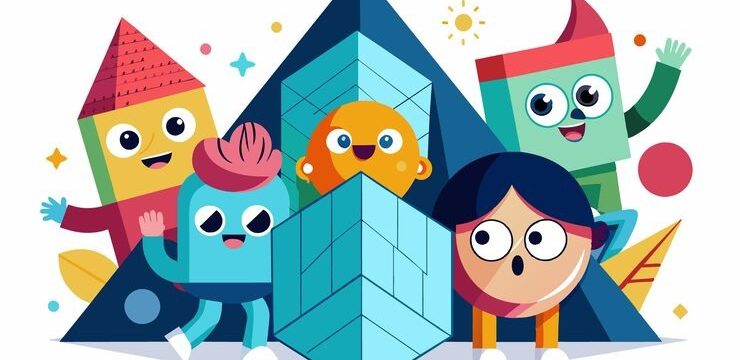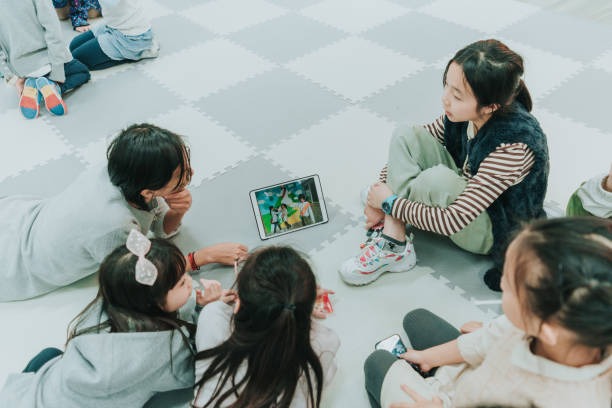
In a world where stories come to life through the magic of animation, there exists an enchanting quality that makes animated scenes feel vibrantly alive.
It’s not just the colorful visuals or the whimsical characters; it’s a delicate interplay of various elements that together create a captivating experience.
As we explore what breathes life into these animated moments, we’ll uncover the artistry and thoughtfulness behind this beloved medium.
The heartbeat of animation often lies in its characters. When we think of beloved animated films, memorable characters spring to mind—those who resonate with us on a deeper level. Whether it’s the courage of a young hero or the gentle wisdom of a guiding figure, these characters are crafted with layers of emotion and personality. Their movements, expressions, and even the subtleties of their interactions with the environment contribute immensely to their believability. A well-animated character can express a wide range of emotions through body language and facial expressions, making us feel connected to their journey.
Animation allows for a unique exploration of movement, and this is where the magic truly unfolds. The fluidity of motion can evoke feelings of joy, sadness, or excitement, transforming a simple scene into a powerful narrative moment. Think of the way a character dances, runs, or even pauses thoughtfully; these actions convey not just what they are doing, but how they feel in that moment. The attention to detail in these movements, from the sway of a character’s hair to the subtle shifts in their posture, creates a sense of realism that makes the animated world feel tangible.
A small shift in perspective can also make a significant difference. The camera angles and framing used in animation play a crucial role in setting the mood and tone of a scene. A close-up can draw us into a character’s emotional state, while a wide shot can showcase the beauty or chaos of their environment. The way a scene is composed can enhance our understanding and emotional engagement, allowing us to feel as though we are part of the unfolding story. This thoughtful use of perspective invites us to experience the narrative in a more intimate way, making the animation feel alive and present.
Color, too, is a powerful tool in the animator’s palette. The hues chosen for a scene can evoke specific emotions and set the overall tone. Warm colors might create a sense of comfort and happiness, while cooler tones can evoke feelings of sadness or introspection. The interplay of light and shadow adds depth and dimension, creating a sense of space that invites us to explore the scene further. When colors harmonize with the narrative, they serve as an emotional guide, leading us through the highs and lows of the story.
While character design and movement are essential, the soundscape of an animated scene is equally vital. The choice of music, sound effects, and voice acting can elevate a moment from ordinary to extraordinary. A well-timed musical score can amplify a character’s triumph or deepen the impact of their sorrow. Voice actors bring characters to life with their unique interpretations, infusing them with personality and emotion. The synergy between visuals and audio creates an immersive experience that resonates with audiences, leaving a lasting impression.
In animation, the environment plays a pivotal role in shaping the narrative. The backgrounds and settings are not just backdrops; they are living entities that interact with the characters. A bustling city street can convey energy and excitement, while a serene forest can evoke tranquility. The details within these environments—like the rustling of leaves or the chatter of passersby—add layers of realism that enhance the overall experience. When the setting feels alive, it invites us to lose ourselves in the story, making it all the more compelling.
As we delve deeper into what makes an animated scene feel alive, we begin to appreciate the collaborative effort behind the scenes. Animation is a labor of love, involving writers, artists, animators, and musicians working together to craft a cohesive story. Each individual contributes their unique talents and perspectives, weaving a rich tapestry that captivates audiences. This sense of collaboration fosters creativity and innovation, pushing the boundaries of what animation can achieve.
The emotional connection we form with animated scenes is often a reflection of our own experiences. They resonate with our feelings, hopes, and dreams, inviting us to see parts of ourselves in the characters and their journeys. This relatability is what makes animation a powerful storytelling medium; it allows us to explore complex themes in a way that feels accessible and engaging. As we laugh, cry, and cheer alongside our animated friends, we are reminded of our shared humanity.
In the end, what makes an animated scene feel alive is a harmonious blend of character, movement, color, sound, and environment, all crafted with intention and care. Each element plays its part in creating a vibrant, immersive experience that resonates with audiences of all ages. As we continue to explore the world of animation, we are reminded of the beauty of storytelling and the magic that unfolds when creativity knows no bounds.
Animation invites us to dream, to imagine, and to feel, reminding us that even in the most fantastical worlds, there are truths that echo our own. It’s a celebration of life in all its forms, capturing the essence of what it means to be human. And perhaps that is the most extraordinary aspect of animation: its ability to breathe life into stories, making them not just seen, but truly felt.