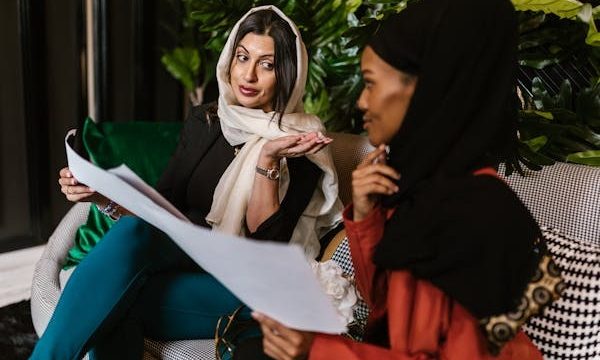
As we journey through life, the way we communicate evolves in remarkable ways.
Speech and language development is a fascinating process that begins in infancy and continues to grow and change throughout our lives.
Understanding this growth can illuminate not only how we express ourselves but also how we connect with others, creating a rich tapestry of relationships and experiences.
The early stages of communication are often marked by coos and gurgles. From the moment a baby enters the world, they are surrounded by sounds and voices. This auditory input is crucial; it sets the foundation for language acquisition. Infants are incredibly attuned to the rhythms and tones of speech, even before they can form words themselves. They begin to recognize their caregivers’ voices, responding with smiles and sounds of delight. This initial interaction is more than just a precursor to language; it’s the beginning of social bonding and emotional connection.
As the months pass, babbling takes center stage. This playful experimentation with sounds is a vital part of language development. Babies might string together a series of syllables, such as “ba-ba” or “da-da,” as they explore the mechanics of vocalization. This stage is not merely random noise; it serves a purpose. It helps infants practice the sounds they will eventually use in speech, while also engaging with their caregivers in a delightful back-and-forth exchange. These moments of shared sound and laughter foster a sense of security and attachment.
By the time children reach their first birthday, many begin to utter their first words. This milestone is often celebrated with great joy. Words like “mama” and “dada” may emerge, symbolizing not just the ability to communicate but also the deepening relationship between parent and child. These early words might be simple, but they hold immense power. They signify the child’s growing understanding of the world around them and their desire to share their thoughts and feelings.
As toddlers, children experience a language explosion. Their vocabulary expands rapidly, and they become more adept at using language to express their needs and desires. This newfound ability to communicate can lead to both joyous moments and challenges. With the ability to articulate feelings comes the potential for frustration. A toddler who cannot find the right words may resort to tantrums, highlighting the importance of patience and guidance from caregivers. This period is an opportunity for parents to model language and encourage expression, creating an environment where communication is valued and nurtured.
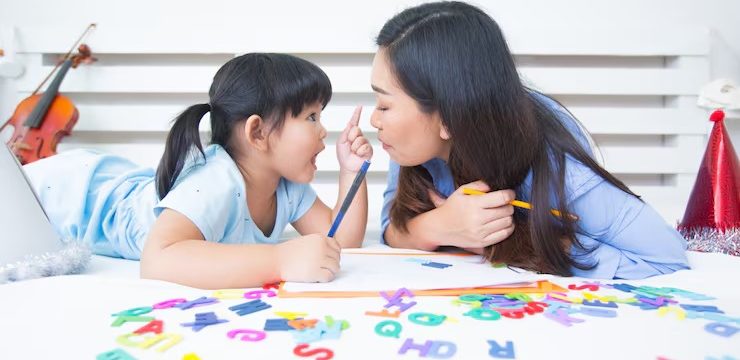
The preschool years bring even more growth. Children begin to form simple sentences, and their understanding of language becomes more complex. They start to grasp concepts like time, space, and relationships, which allows them to share stories and ideas with increasing clarity. This is also a time when imaginative play flourishes, and language becomes a tool for creativity. Engaging in pretend play allows children to experiment with different roles and scenarios, all the while honing their linguistic skills. Storytelling becomes a cherished activity, providing a wonderful avenue for bonding and learning.
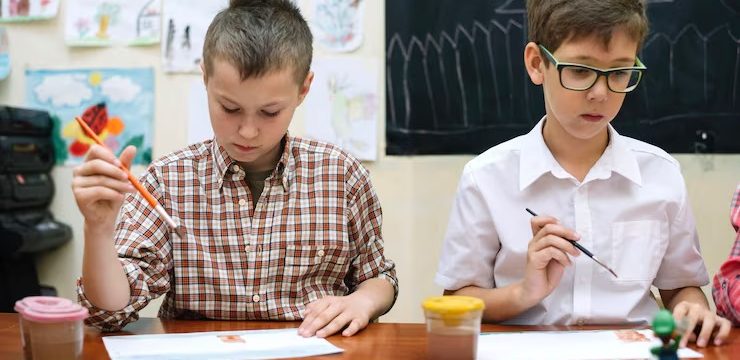
As children transition into the school years, their language development takes on new dimensions. They are introduced to reading and writing, which opens up a whole new world of communication. Literacy skills are crucial, not just for academic success but also for social interaction. Children learn to express themselves through writing, developing their unique voices. This period also encourages critical thinking as they navigate more complex language structures and engage with various forms of media.
Throughout adolescence, language continues to evolve. Teenagers often experiment with slang and new forms of communication, influenced by peers and cultural trends. This phase can be a time of both connection and conflict, as they seek to assert their identities while also striving for acceptance. Understanding this evolution is essential for parents and caregivers, as it highlights the importance of open dialogue and respect for their growing independence.
As adults, our relationship with language can shift again. Communication becomes a tool for professional success and personal relationships. The ability to articulate thoughts clearly and effectively can open doors and create opportunities. Many people find joy in engaging in discussions, sharing ideas, and connecting with others through language. Whether through casual conversations or formal presentations, the art of communication remains a vital aspect of our lives.
It’s important to remember that speech and language growth is not a linear path. Everyone develops at their own pace, influenced by a myriad of factors such as environment, culture, and individual experiences. Some may encounter challenges along the way, and that’s perfectly normal. Seeking support when needed, whether through professionals or community resources, can provide valuable guidance in navigating these challenges.
In a world that often feels fast-paced and disconnected, taking the time to appreciate the nuances of speech and language growth can foster deeper connections. Encouraging open dialogue, active listening, and empathy can create an environment where everyone feels valued and understood. Language is not just a means of communication; it’s a bridge that connects us to one another, allowing us to share our stories, thoughts, and emotions.
As we reflect on our own journeys with language, it’s essential to celebrate the milestones, big and small. From the first babble of a baby to the eloquent speeches of adults, each stage of speech and language growth enriches our lives. By nurturing this growth in ourselves and others, we contribute to a more compassionate and connected world, one conversation at a time.