Encouraging Self-Expression in Early Years
In the tender years of childhood, self-expression plays a pivotal role in shaping a child’s identity and emotional well-being.
It is during these formative years that children begin to understand themselves and the world around them.
Encouraging them to express their thoughts, feelings, and creativity not only nurtures their individuality but also fosters a sense of confidence that can carry into adulthood.
As parents, caregivers, and educators, we have the unique opportunity to create an environment where self-expression flourishes.
Creating a Safe Space
One of the most important aspects of encouraging self-expression is to create a safe space where children feel comfortable sharing their ideas and emotions. This space should be free from judgment and open to all forms of expression, be it through art, words, music, or movement. When children know they can express themselves without fear, they are more likely to engage and explore their feelings.
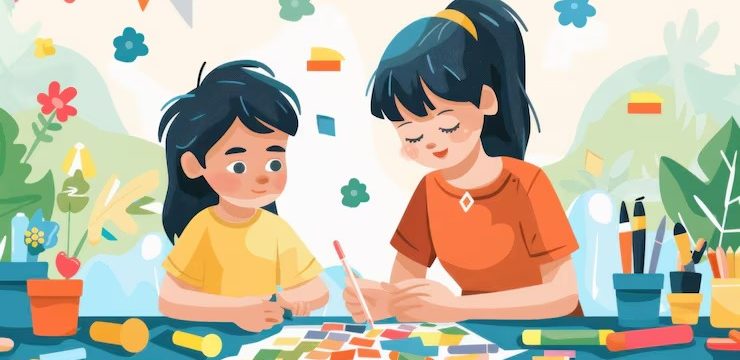
Consider setting up a designated area in your home or classroom filled with art supplies, books, and instruments. This creative nook can become a sanctuary where children can retreat to explore their thoughts. When children have the freedom to choose how they express themselves, they are more likely to discover what resonates with them.
Engaging in Conversations
Engaging children in meaningful conversations can also encourage self-expression. It’s essential to ask open-ended questions that invite them to share their thoughts. Instead of simply asking, “Did you have a good day?” try asking, “What was the best part of your day and why?” This slight shift invites deeper reflection and encourages children to articulate their feelings and experiences.
Listening is just as crucial as asking. When children feel heard, they are more likely to share their thoughts in the future. Practicing active listening—giving your full attention, nodding, and responding with empathy—helps children understand that their voices matter. This validation can be incredibly empowering, reinforcing their desire to express themselves.
Encouraging Creative Outlets
Art, music, and movement are wonderful avenues for self-expression, and encouraging children to explore these mediums can be incredibly beneficial. Whether it’s painting, dancing, or playing an instrument, creative outlets allow children to express emotions that might be difficult to articulate with words.
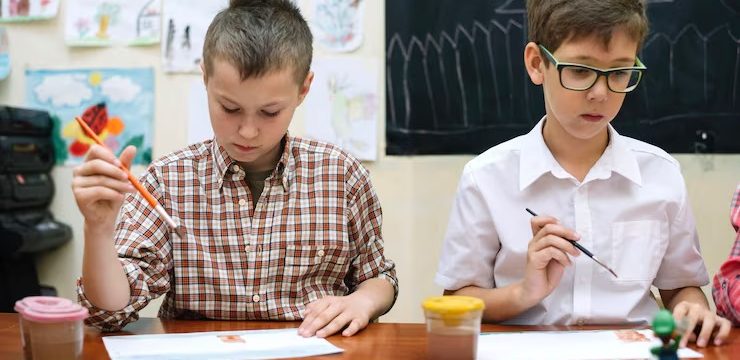
Consider introducing your child to various art forms. A simple painting session can be a delightful way to let their imagination run wild. The emphasis should be on the process rather than the final product. Celebrate their creativity by displaying their artwork prominently, which reinforces their sense of accomplishment and pride in their unique expression.
Music is another powerful tool for self-expression. Singing or playing an instrument can help children articulate their feelings. Encourage them to create their own songs or rhythms, allowing them to express their emotions through sound. Movement, too, can be an excellent form of expression. Dance, whether structured or free-form, allows children to connect with their bodies and express emotions physically.
Fostering Imagination Through Play
Play is not merely a pastime for children; it is a crucial aspect of their development and a vital avenue for self-expression. Through imaginative play, children can explore different roles, scenarios, and emotions. Encouraging imaginative play can help children process their feelings and experiences in a safe and engaging manner.
Consider providing open-ended toys and materials that inspire creativity. Building blocks, dress-up clothes, or even simple household items can spark a child’s imagination and prompt them to create their own stories. Join in their play, and don’t be afraid to let your inner child shine. By participating, you demonstrate that self-expression is not only safe but also joyful.
Encouraging Journaling and Storytelling
As children grow, introducing them to journaling or storytelling can be a wonderful way to foster self-expression. Writing down thoughts and feelings helps children articulate their experiences and reflect on their emotions. It can be as simple as a daily journal entry or a story they create about their day.
You might encourage your child to keep a “feelings journal,” where they can draw or write about their emotions throughout the week. This practice can help them recognize and process their feelings, turning abstract emotions into tangible expressions. Storytelling, whether through written narratives or oral tales, can also help children navigate their inner worlds while developing their communication skills.
Modeling Self-Expression
Children learn by observing the adults around them. By modeling self-expression in your own life, you provide a valuable example for them to follow. Share your thoughts and feelings openly, and don’t shy away from discussing your own creative pursuits. Whether it’s sharing a poem you wrote, a painting you created, or simply talking about your day, your openness can inspire them to do the same.
Encourage discussions about emotions, allowing children to see that everyone experiences a range of feelings. This normalization helps them feel less isolated in their emotional experiences and encourages them to express themselves authentically.
Nurturing Emotional Intelligence
Encouraging self-expression also goes hand in hand with nurturing emotional intelligence. Helping children identify and label their emotions is a crucial part of this process. Use everyday situations as opportunities to discuss feelings. When a child experiences disappointment, for example, guide them to articulate what they’re feeling and why.
By teaching children to understand their emotions, you empower them to express themselves more effectively. This understanding can lead to healthier communication and relationships as they navigate the complexities of human interaction throughout their lives.
In Conclusion
Encouraging self-expression in the early years is a beautiful journey that can lay the foundation for a confident and emotionally intelligent adult. By creating a safe space, engaging in meaningful conversations, providing creative outlets, and modeling self-expression, we can help children embrace their uniqueness.
As they explore their thoughts and feelings, they not only learn about themselves but also develop the skills to communicate effectively with others. In nurturing their self-expression, we gift them the tools to navigate the world with resilience and authenticity, setting them on a path toward a fulfilling and expressive life.