In today’s fast-paced world, understanding social rules can be a challenging journey for children.
As they navigate friendships, school environments, and family dynamics, learning how to interact with others becomes essential.
Social rules may not always be explicitly stated, but they play a crucial role in helping kids build connections, express themselves, and develop empathy.
By gently guiding children through this process, we can help them recognize and embrace these important social norms.
A gentle introduction to social interactions
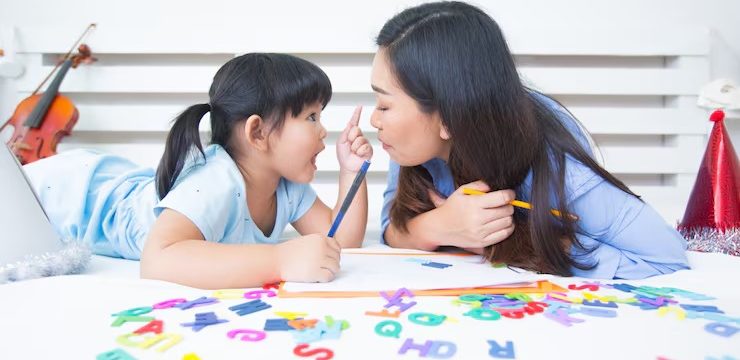
Children often learn best through observation and experience. As they engage with peers and adults, they naturally pick up on cues and behaviors that signal what is considered appropriate in various situations. However, these lessons can sometimes be subtle or easily overlooked. This is where our role as caregivers and educators comes into play. By providing a supportive environment filled with opportunities for social interaction, we can help children understand the nuances of social rules.
One of the simplest ways to introduce children to social norms is through play. Whether it’s cooperative games, role-playing scenarios, or even simple turn-taking activities, playtime can serve as a rich learning experience. During these interactions, children can practice sharing, waiting their turn, and expressing their feelings. By gently guiding them through these moments, we can help them recognize the importance of respect and consideration for others.
The power of observation
Children are keen observers, often picking up on social cues without us even realizing it. They notice how we speak to one another, how we react in different situations, and how we express our feelings. By modeling positive social behaviors ourselves, we set the stage for our children to learn and grow. Simple acts like saying “please” and “thank you,” listening actively when others speak, and showing empathy can resonate deeply with young minds.
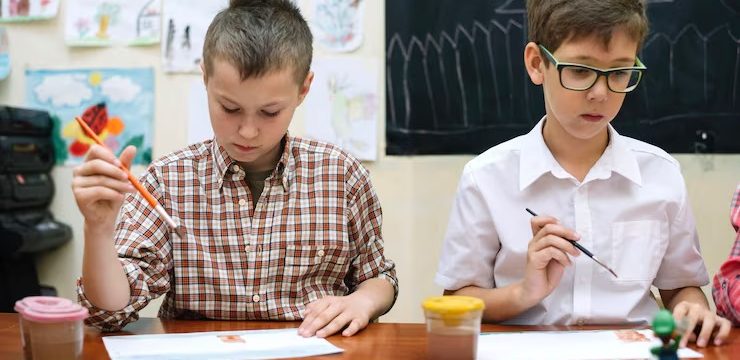
Encouraging children to observe their peers can also be beneficial. When they see their friends displaying kindness, sharing, or resolving conflicts peacefully, they begin to understand the value of these actions. Discussing these observations can help reinforce the lessons learned. A casual conversation about a situation they witnessed can illuminate the intricacies of social interactions, making them more relatable and easier to understand.
Creating a safe space for dialogue
Open communication is vital when it comes to helping children recognize social rules. Creating a safe space for dialogue allows them to express their thoughts and feelings without fear of judgment. Encourage them to share their experiences, whether positive or negative, and validate their emotions. By acknowledging their feelings, we can guide them toward understanding the underlying social dynamics.
For instance, if a child feels left out during a game, gently discussing the situation can help them process their emotions. Asking questions like, “How did that make you feel?” or “What do you think you could do next time?” encourages them to reflect on their experiences and consider alternative approaches. This kind of dialogue fosters critical thinking and helps children develop their social skills in a supportive environment.
Learning through storytelling
Stories have a unique way of conveying social lessons in an engaging manner. Whether through books, movies, or personal anecdotes, narratives can illustrate social rules in a relatable way. When children encounter characters facing similar challenges, they can better understand the consequences of different behaviors. Sharing stories that highlight themes of friendship, kindness, and empathy can spark important conversations about social norms.
After reading a story together, consider discussing the characters’ choices. What did they do well? Were there moments where they could have acted differently? This reflective practice allows children to internalize social lessons and consider how they can apply them in their own lives.
Encouraging empathy and understanding
Empathy is a cornerstone of social interaction. Helping children recognize and understand the feelings of others can significantly impact their ability to navigate social situations. Simple activities, like discussing how a friend might feel in a given scenario, can cultivate this vital skill. Encouraging children to put themselves in someone else’s shoes can lead to deeper connections and more meaningful relationships.
Role-playing is another effective way to teach empathy. By acting out various social situations, children can explore different perspectives and responses. This interactive approach not only makes learning enjoyable but also helps them practice appropriate social behaviors in a safe setting.
Fostering independence and confidence
As children grow, they will encounter diverse social situations that require them to apply what they’ve learned. Fostering independence and confidence in their social skills is essential. Allowing them to make choices, initiate conversations, and resolve conflicts empowers them to take ownership of their social interactions.
Encourage children to participate in group activities, such as team sports, clubs, or community events. These opportunities provide a platform for them to practice their social skills in real-world settings. Celebrate their successes, no matter how small, and gently guide them through challenges. This supportive approach helps build their confidence and reinforces the social rules they are learning.
A continuous journey of growth
Recognizing social rules is not a one-time lesson; it’s an ongoing journey. As children grow and develop, they will continually encounter new social dynamics, requiring them to adapt and refine their skills. By maintaining an open dialogue and providing consistent support, we can help them navigate this evolving landscape with grace and understanding.
Remember that patience is key. Every child learns at their own pace, and some may need more guidance than others. Celebrate their progress and remind them that it’s okay to make mistakes along the way. Each experience, whether positive or challenging, is an opportunity for growth.
In the end, our goal is to help children recognize and embrace the essential social rules that will serve them throughout their lives. By fostering empathy, encouraging observation, and providing a safe space for dialogue, we can equip them with the skills they need to build meaningful connections and thrive in their social environments. With love and support, we can guide them on this beautiful journey of social understanding.