In a world that often feels fast-paced and competitive, teaching children to be thoughtful in group settings is an invaluable life skill.
This lesson goes beyond simply fostering friendships; it nurtures empathy, cooperation, and a sense of community.
As parents and caregivers, we have the opportunity to guide our little ones in understanding the importance of being considerate and aware of others’ feelings and needs.
Creating a nurturing environment is the first step in this journey. Children are keen observers, often mirroring the behaviors they see at home and in their social circles. By modeling thoughtful behavior ourselves, we set a powerful example. Simple acts of kindness, such as asking how someone’s day was or offering help when we notice someone struggling, can leave a lasting impression on young minds. Children learn not just from what we say, but from what we do.
Fostering empathy is a gentle process that can be approached through storytelling. Books and stories serve as windows into different lives, allowing children to step into someone else’s shoes. When we read together, we can pause to discuss the characters’ feelings and motivations. “How do you think they felt when that happened?” or “What would you have done in their place?” These questions encourage children to think critically about the emotions of others, nurturing their ability to empathize in real-life situations.
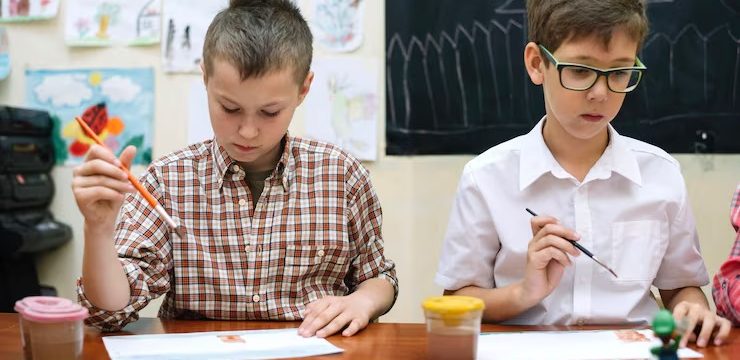
Encouraging group play is another effective way to help children practice thoughtfulness. Whether it’s in a school setting or a casual playdate, group activities provide a natural platform for children to learn about cooperation and consideration. Allowing them to take turns, share toys, and negotiate roles in games can deepen their understanding of group dynamics. As they navigate these interactions, we can guide them with gentle reminders about the importance of listening and respecting others’ ideas.
A small shift toward balance can also be made by emphasizing the importance of communication. Teaching children how to express their feelings and needs clearly is just as crucial as teaching them to listen. Encouraging them to use “I” statements, like “I feel sad when…” or “I would like to…” helps them articulate their thoughts without placing blame. This approach not only fosters their emotional intelligence but also creates a more open and understanding environment for everyone involved.
As children grow, they may encounter various social situations that challenge their ability to be thoughtful. It’s essential to discuss these scenarios openly, providing them with tools to handle conflicts and misunderstandings. Role-playing can be a fun and effective method to practice these skills. By acting out different scenarios, children can explore various responses and outcomes, gaining confidence in their ability to navigate social challenges.
Celebrating acts of thoughtfulness, no matter how small, reinforces the behavior we wish to cultivate. When a child shows kindness or consideration, acknowledging their actions helps solidify those values. A simple, “I noticed how you helped your friend when they were upset. That was very kind of you,” can go a long way. This positive reinforcement encourages them to continue being thoughtful, creating a ripple effect in their interactions with others.
Another important aspect of teaching thoughtfulness is helping children understand the impact of their actions. Discussing how their words and behaviors can affect others fosters a sense of responsibility. It’s not about instilling guilt but rather nurturing an awareness of the interconnectedness of their actions. Simple conversations about how someone might feel after a comment or action can help them build a deeper understanding of their social environment.
Encouraging mindfulness is also a valuable tool in promoting thoughtfulness. Mindfulness practices, such as deep breathing or reflecting on one’s feelings, can help children develop a greater awareness of themselves and their surroundings. This heightened awareness can lead to more intentional actions, as they learn to pause and think before responding to a situation.
Creating a routine that incorporates reflection can also be beneficial. At the end of the day, taking a moment to discuss what went well and what could have gone better in their interactions can be enlightening. This practice not only encourages self-reflection but also opens the door for conversations about empathy and thoughtfulness.
As children learn to be thoughtful in group settings, they will likely inspire their peers to do the same. A culture of kindness and consideration can flourish when children witness and practice these values together. Encouraging them to support one another and celebrate each other’s successes fosters a sense of community that can be incredibly powerful.
In this age of connectivity, the importance of being thoughtful extends beyond the immediate circle of friends and family. Teaching children to think of others also equips them with the tools to navigate a broader world. As they grow, these skills will serve them in school, work, and personal relationships, allowing them to build connections based on respect and understanding.
Ultimately, teaching children to be thoughtful in groups is about laying the foundation for a kinder, more empathetic world. Each small lesson we impart can have a profound impact, shaping not only their interactions but also their character. By nurturing these qualities in our children, we are contributing to a brighter future, one thoughtful action at a time.
As we embark on this journey together, let us remember that every effort counts. The seeds of thoughtfulness we plant today will blossom into a more compassionate tomorrow. Through gentle guidance, open communication, and a commitment to kindness, we can help our children grow into thoughtful individuals who contribute positively to their communities. In nurturing their ability to be considerate, we are not just shaping their lives; we are influencing the world around them.