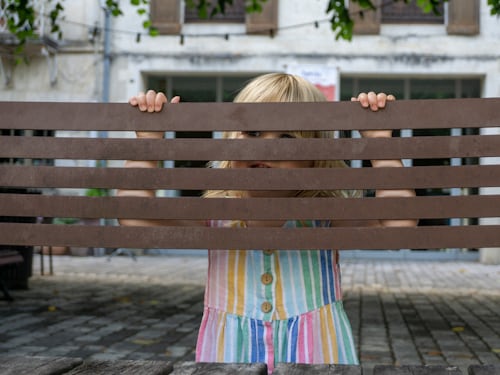
Photography is more than just a hobby; it’s a way to capture moments, emotions, and stories.
Yet, what often transforms a simple snapshot into a mesmerizing image is the art of balance.
Creating balanced photos can elevate your work, drawing the viewer’s eye and inviting them into your world. Here are some tips to help you achieve that harmony in your photography.
Finding your center
When you think about balance in photography, the concept of symmetry often comes to mind. However, balance doesn’t always mean mirroring elements on either side of your frame. Instead, it can be about distributing visual weight throughout the image. For instance, if you have a large, bold subject on one side, consider placing a smaller element on the opposite side to create equilibrium. This method allows for a dynamic composition that feels complete rather than lopsided.
Understanding the rule of thirds can be a gentle guide in this pursuit. Imagine your frame divided into nine equal sections by two vertical and two horizontal lines. Positioning your main subject along these lines or at their intersections can create a sense of balance and make your images more engaging. However, remember that rules are meant to be bent; sometimes breaking them can lead to unexpected and beautiful results.
A small shift toward balance
Light plays a crucial role in photography, and understanding how it interacts with your subjects can help you achieve balance. Natural light, for example, can create shadows that add depth and dimension to your photos. Pay attention to the direction and quality of light as it casts across your scene. Soft, diffused light can create a serene atmosphere, while harsh, direct light can lend a dramatic edge.
When composing your shot, consider how light balances your subjects. If one part of the image is brightly lit, think about how you can bring in softer shadows or lighter elements to maintain visual harmony. This interplay can make your photos feel more cohesive and inviting.
Exploring color harmony
Color is another vital element in achieving balance in your photography. Different colors evoke various emotions and can significantly impact the overall feel of your image. A well-thought-out color palette can guide the viewer’s eye and create harmony within your composition.
For instance, complementary colors—those opposite each other on the color wheel—can create vibrant contrasts that draw attention. In contrast, analogous colors—those next to each other—tend to produce a more serene and unified feel. Think about how you can incorporate these color relationships into your work, whether through natural elements in the landscape or the wardrobe choices of your subjects.
The art of negative space
One of the most effective ways to achieve balance in your photos is through the use of negative space. This refers to the area surrounding your main subject, which can help to emphasize its importance while creating a sense of tranquility. By allowing the negative space to breathe, you can draw attention to your subject without overwhelming the viewer with too many competing elements.
Experiment with different compositions that utilize negative space effectively. Position your subject off-center, allowing the surrounding area to tell part of the story. This technique can create a more intimate connection between the viewer and the subject, inviting them to linger over the details.
Embracing your unique perspective
Every photographer has a distinct style, and finding yours can be an enriching journey. Balance in photography is not just about adhering to technical rules; it’s also about expressing your individuality. Allow your personality to shine through your images. Whether you prefer a whimsical approach with playful elements or a more minimalist style focusing on simplicity, embrace what feels right for you.
Consider how your perspective can add balance to your photos. Perhaps you enjoy capturing candid moments that convey emotion, or maybe you prefer architectural details that showcase symmetry. Whatever your inclination, lean into it and let your voice guide your compositions. The more authentic your work feels, the more balanced it will appear.
Cultivating patience and practice
As with any art form, creating balanced photos takes time and practice. Allow yourself the space to experiment and grow. Don’t be discouraged if some images don’t turn out the way you envisioned. Instead, view each shot as a learning opportunity that brings you one step closer to mastering the balance you seek.
Take the time to review your work critically. What compositions resonate with you? Which ones feel off-balance? Reflecting on your images can help you identify patterns in your photography and inform your future endeavors. Gradually, you’ll develop an intuitive sense of balance that feels natural and effortless.
Connecting with your surroundings
Lastly, remember that balance in photography is not solely about composition or technical elements; it’s also about connecting with your environment. Take a moment to immerse yourself in the scene before you. Observe how the elements interact and how you can capture that relationship in your work.
Whether you’re standing in a bustling city or wandering through a tranquil forest, the world around you offers countless opportunities for balanced compositions. Allow your surroundings to inspire you, and trust your instincts as you frame your shots. The more attuned you are to what’s happening around you, the more balanced and authentic your photos will become.
Creating balanced photos is a journey that intertwines technical skills with personal expression. By understanding composition, light, color, and negative space, you can craft images that resonate deeply with viewers. Embrace your unique perspective, cultivate patience, and connect with your surroundings. In doing so, you’ll find that balance is not just a technique; it’s a way of seeing the world that enriches both your photography and your life.