Supporting Kids in Building Social Courage
In today’s fast-paced and interconnected world, the ability to engage socially can feel daunting for many children.
Social courage—the willingness to step outside one’s comfort zone and interact with others—is a vital skill that can shape their experiences and relationships throughout life.
As parents, caregivers, and mentors, fostering social courage in children is an invaluable gift that can empower them to navigate the complexities of social interactions with confidence and grace.
Creating a nurturing environment is the first step toward helping children develop social courage. When kids feel safe and supported at home, they are more likely to venture out and engage with the world around them. Simple gestures like actively listening to their thoughts and feelings can reinforce their sense of belonging. Encourage them to share their experiences, whether they’re tales of triumph or moments of uncertainty. By validating their emotions, you help them understand that it’s okay to feel nervous or unsure in social situations.
Encouragement is a powerful tool in building social courage. Celebrate the small victories, whether it’s saying hello to a classmate or participating in a group activity. Acknowledging these moments can motivate children to take further steps in their social journeys. When they see that their efforts are recognized, even in the smallest ways, it reinforces their willingness to engage with others. This practice can create a positive feedback loop that encourages them to push through their fears.
Modeling social courage yourself can also have a significant impact on children. Kids often learn by observing the adults in their lives. When they see you navigating social situations with confidence—perhaps by initiating conversations with new acquaintances or expressing your thoughts in group settings—they can internalize these behaviors. Share your own experiences of overcoming social anxiety or stepping outside your comfort zone, framing them as learning opportunities. This not only humanizes the challenges but also shows kids that everyone faces moments of discomfort.
Creating opportunities for social interaction is essential for building social courage. Organizing playdates, joining clubs, or participating in community events can provide children with a chance to practice their social skills in a supportive environment. These activities don’t have to be grand or elaborate; even small gatherings can be meaningful. The key is to encourage engagement in a way that feels comfortable for them, allowing for gradual exposure to social settings.
Another gentle approach is to cultivate empathy within children. Helping them understand the feelings and perspectives of others can enhance their social interactions. Engage them in conversations about emotions, both their own and those of their peers. Discussing stories—whether from books, movies, or real life—that highlight empathy can spark meaningful dialogue. When children learn to recognize and appreciate the feelings of others, they may find it easier to connect and communicate, fostering more profound relationships.
It’s also important to teach children about the value of vulnerability. In a world that often emphasizes perfection, it can be refreshing for kids to learn that it’s okay to be imperfect. Share stories of times when you felt vulnerable and how it ultimately led to growth or connection. This understanding can help children realize that being open about their fears and insecurities can lead to more authentic relationships. Encouraging them to share their feelings can make social interactions feel less intimidating and more like opportunities for connection.
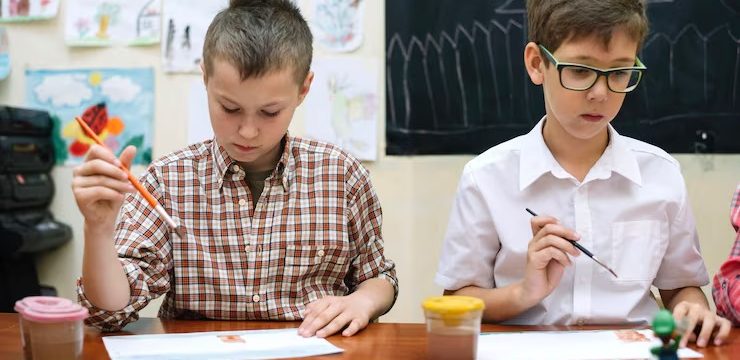
Encouraging creativity is another wonderful way to build social courage. Activities like art, drama, or music workshops can provide children with outlets for expression while also fostering social connections. These creative spaces often allow for collaboration, helping kids bond over shared goals and interests. As they engage in these activities, they can develop friendships that may make social interactions feel more natural and less pressured.
As children grow, it’s essential to remind them that everyone has their unique pace when it comes to social interactions. Some may thrive in group settings, while others may prefer one-on-one conversations. Emphasizing that there’s no “right” way to socialize can alleviate pressure and allow them to find what feels most comfortable. Encourage them to honor their feelings and take their time as they navigate their social journeys.
As parents and caregivers, it can be easy to want to shield children from discomfort. However, it’s important to recognize that facing challenges is often a crucial part of growth. Instead of immediately intervening when you notice your child struggling in a social situation, consider offering gentle guidance instead. Encourage them to express their feelings and brainstorm potential solutions together. This collaborative approach not only empowers them to take charge of their social experiences but also reinforces their problem-solving skills.
Lastly, nurturing a growth mindset can significantly impact how children perceive social interactions. Teach them that making mistakes is a natural part of learning. Encourage them to view social challenges as opportunities for growth rather than threats. This perspective can help alleviate anxiety and foster resilience, allowing them to approach social situations with a sense of curiosity rather than fear.
In the journey of building social courage, patience is vital. Each child will progress at their own pace, and that’s perfectly okay. By providing unwavering support, encouragement, and understanding, we can help them cultivate the social skills they need to thrive. As they learn to embrace their unique journeys, they will discover that social courage is not just about overcoming fear; it’s about connecting with others, building relationships, and ultimately, finding joy in the rich tapestry of human interaction.
Supporting kids in building social courage is a beautiful journey that requires compassion, understanding, and a commitment to fostering connection. By creating a safe and encouraging environment, modeling courage, and nurturing empathy and creativity, we can help our children flourish in their social lives. In doing so, we not only empower them but also enrich our communities, fostering a spirit of connection and understanding that can last a lifetime.