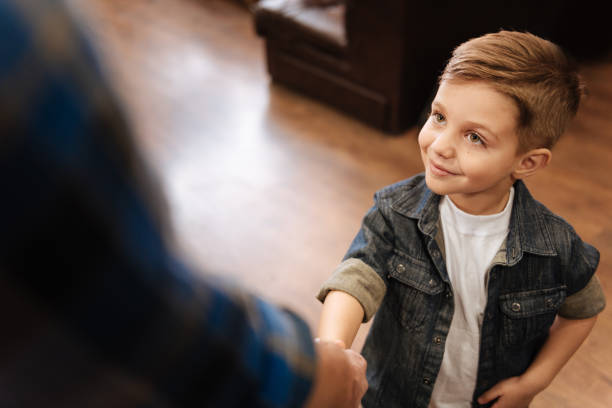
Teaching kids about personal space is an essential aspect of their social development, helping them navigate relationships and understand boundaries.
As parents and caregivers, we play a crucial role in guiding children through the nuances of personal space, ensuring they grow into respectful and empathetic individuals.
In a world that often feels increasingly crowded, both physically and emotionally, fostering an understanding of personal space can provide children with a sense of comfort and security.
Understanding personal space begins with a fundamental concept: everyone has their own comfort zone. This zone varies from person to person and can change depending on the context. For instance, a child may feel comfortable being close to family members but may prefer more distance from unfamiliar peers. As adults, we can model this understanding by respecting our own personal space and recognizing when others may need theirs.
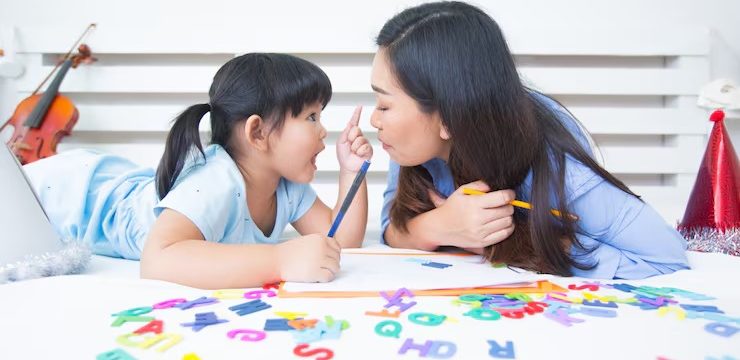
Creating a dialogue about personal space can start at a young age. Simple conversations during everyday activities can introduce the concept naturally. For example, while playing with friends or interacting with family, parents can gently point out when someone seems uncomfortable with how close they are standing. By naming the feelings associated with personal space, children can begin to understand the importance of respecting boundaries.
A gentle approach to teaching personal space involves using relatable scenarios. Children often learn best through stories and play. Reading books that highlight themes of friendship and boundaries can be an effective way to illustrate the concept. Characters who navigate social situations—whether they are too close for comfort or learning to ask for space—can resonate with young readers. Discussing these stories afterward allows for reflection and dialogue about personal experiences.
Incorporating fun activities can also reinforce the understanding of personal space. Games like “The Invisible Bubble” can be a playful way to demonstrate boundaries. In this game, children imagine they are surrounded by a bubble that extends around them, helping them visualize their personal space. When they move, they can practice being aware of their bubble and how it interacts with others. These activities not only teach children about their own space but also encourage them to be mindful of the space of others.
As children grow and engage with peers, social dynamics can become more complex. They may encounter situations where their boundaries are tested or where they need to assert their comfort levels. It’s important to equip them with the language and confidence to express their needs. Encouraging phrases like “I need a little more space” or “Can we play over here?” empowers children to communicate their feelings without fear of conflict.
Empathy plays a key role in understanding personal space. Teaching kids to recognize and respond to the feelings of others can enhance their ability to navigate social interactions. Discussing how someone might feel if they are crowded or touched unexpectedly can help children develop a sense of compassion. Role-playing different scenarios can help them practice responses and develop their emotional intelligence.
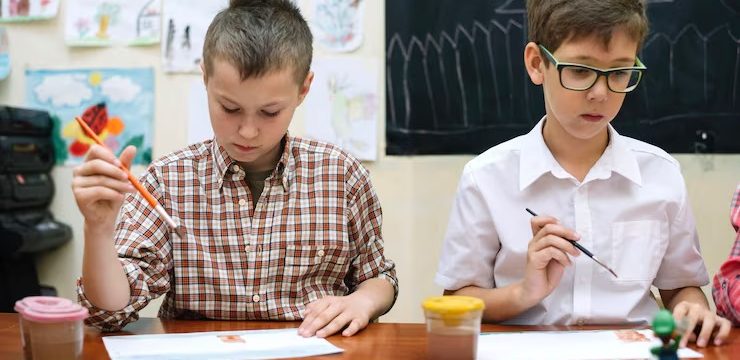
As children reach school age, they will encounter diverse social settings and relationships. Group activities, sports, and classroom dynamics can all present new challenges regarding personal space. Reminding children that it’s okay to step back if they feel overwhelmed is essential. Creating a safe space for them to express their feelings about these situations can foster open communication. Regular check-ins about their experiences can allow you to gauge their comfort and provide guidance as needed.
In our increasingly digital world, the concept of personal space extends beyond physical proximity. Teaching children about digital boundaries is equally important. Conversations about privacy, consent, and respectful communication in online interactions can help them navigate the complexities of social media and digital relationships. Reinforcing the idea that personal space exists online, just as it does in real life, prepares them for responsible and respectful engagement in the digital realm.
As parents, we must also be mindful of our own behaviors. Children are keen observers and often take cues from the adults around them. By demonstrating respect for personal space in our own interactions, we set a powerful example. Whether it’s asking permission before hugging a friend or giving our children space when they seem overwhelmed, our actions reinforce the lessons we aim to teach.
It’s important to remember that learning about personal space is an ongoing process. Children may not grasp the concept fully at first, and that’s perfectly okay. Patience and gentle reminders can help reinforce their understanding over time. Acknowledging their progress, no matter how small, fosters a sense of accomplishment and encourages them to continue practicing their skills.
In nurturing a child’s understanding of personal space, we contribute to their emotional and social well-being. This foundational knowledge not only helps them form healthy relationships but also empowers them to advocate for themselves and others. As they learn to navigate the delicate balance of closeness and distance, they cultivate respect, empathy, and confidence—qualities that will serve them well throughout their lives.
Ultimately, teaching kids about personal space is about more than just boundaries; it’s about fostering a sense of security and respect for oneself and others. By approaching this topic with warmth and understanding, we can help children build meaningful connections while honoring their own needs and the needs of those around them. In doing so, we pave the way for a generation that values kindness, respect, and healthy relationships in all aspects of life.