Animation is a beautiful blend of art and technology, a medium that brings stories to life in ways that can evoke laughter, tears, and even inspiration.
The magic lies not only in the finished product but also in the intricate journey of creation.
Understanding the animation workflow can provide insight into how these enchanting visuals are crafted, from the initial spark of an idea to the final frame that graces our screens.
At the heart of the animation process is a vision. This idea, whether it sprouts from a character concept, a storyline, or even a single moment that sparks creativity, serves as the foundation. It’s a gentle reminder of the power of imagination and how it can shape entire worlds. Once the seed of inspiration is planted, the next step is to flesh out this vision through storyboarding.
Storyboarding is akin to creating a comic strip of the narrative. Each frame represents a pivotal moment, acting as a visual guide that outlines the sequence of events. It’s a space where animators can experiment with timing, camera angles, and character movements. This stage not only aids in visualizing the narrative but also allows for adjustments before diving into more complex tasks. It’s a chance to breathe life into the story, ensuring it flows naturally and resonates with the intended audience.
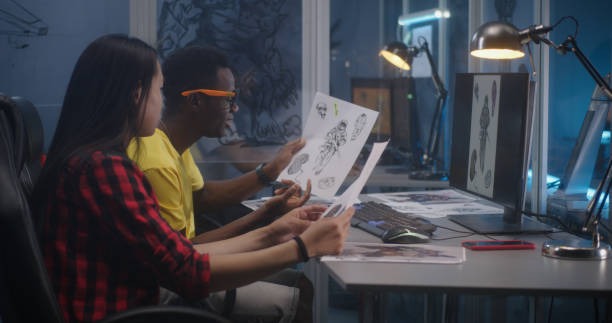
As the storyboard takes shape, character design comes into play. This is where the characters begin to take on their unique personalities and visual styles. Artists sketch and refine each character, considering their traits, emotions, and roles within the story. This process is deeply personal; each character is a reflection of the narrative’s heart, and their design must evoke the right feelings in viewers. The artistry involved here is profound, as it combines aesthetics with storytelling, ensuring that every detail contributes to the overall experience.
With characters defined and the story mapped out, the next phase involves creating the backgrounds and environments where the action unfolds. These settings are more than mere backdrops; they establish the mood and tone of the animation. Whether it’s a bustling cityscape or a serene natural landscape, the environment should complement the narrative and enhance the viewer’s connection to the characters. Artists often draw inspiration from real-life locations, infusing their work with authenticity and depth.
Once the characters and backgrounds are prepared, animators begin the meticulous task of bringing everything to life through animation techniques. Depending on the style—be it traditional hand-drawn, 3D computer-generated imagery, or stop-motion—animators meticulously create frames that capture the essence of movement. This stage is where the magic truly happens, as static images transform into dynamic sequences. Each frame is a labor of love, requiring patience and precision to ensure fluidity and coherence.
The animation process can be likened to a dance, where timing and rhythm are essential. Animators often employ techniques such as keyframing and in-betweens to achieve smooth transitions. Keyframes mark significant points in the movement, while in-betweens fill the gaps, creating a seamless flow. This delicate balance of art and technique is what ultimately brings characters to life, making their emotions and actions palpable to the audience.
As the animation progresses, sound design and voice acting add another layer of richness to the experience. Sound effects, music, and dialogue breathe life into the visuals, drawing viewers deeper into the story. The right sound can evoke emotions, enhance comedic moments, or heighten tension. This collaborative effort between animators and sound designers is crucial, as it ensures that every auditory element harmonizes with the visual narrative, creating a cohesive experience.
In the final stages of the animation workflow, editing takes center stage. This is where everything comes together, and the animation is polished to perfection. Editors review the sequences, ensuring that the pacing is just right, the transitions are smooth, and the overall flow aligns with the original vision. Color grading and visual effects may also be applied during this phase, enhancing the aesthetic appeal and ensuring that every frame is visually captivating.
Throughout this entire journey, collaboration is key. Animation is a team effort, and each individual brings their unique skills and perspectives to the table. From writers and storyboard artists to animators and sound designers, every role is interconnected, contributing to the final masterpiece. This sense of community fosters creativity and innovation, reminding us that art often thrives in collaboration.
As we step back to appreciate the completed animation, it’s important to acknowledge the journey it took to get there. The animation workflow is not merely a series of steps; it is a testament to creativity, passion, and dedication. Each frame is a snapshot of countless hours of hard work, collaboration, and artistic expression.
In a world that often feels fast-paced and overwhelming, the animation process serves as a gentle reminder of the beauty of patience and the importance of nurturing our ideas. It encourages us to embrace our creativity and take our time in bringing our visions to life, whether through art, storytelling, or any other passion we hold dear.
As we navigate our own creative journeys, let us find inspiration in the animation workflow. It teaches us that every great creation starts with a simple idea and evolves through careful planning, collaboration, and a willingness to adapt. In the end, the beauty of animation lies not just in the finished product, but in the joy of the creative process itself—a reminder that every step, no matter how small, contributes to the magic we all seek to create.