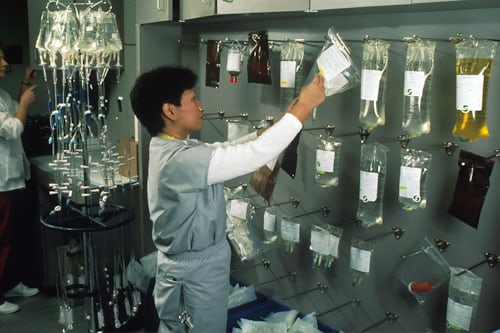
In recent years, the world of medicine has been transformed by the remarkable advancements in biotechnology.
As we delve into this fascinating realm, we discover how science and technology are merging to create new possibilities for health and wellness.
The journey of exploring medical progress through biotechnology reveals not just innovations but also a deeper understanding of how we can improve our lives and those of future generations.
Biotechnology, at its core, is the use of living organisms or their components to develop products and technologies that benefit humanity. It encompasses a wide range of applications, from agriculture to pharmaceuticals. However, when we focus on its impact on medicine, we find a treasure trove of developments that have the potential to redefine our approach to health care.
One of the most exciting areas of progress in biotechnology is the field of gene therapy. This innovative approach aims to treat or even prevent diseases by altering the genes responsible for causing them. Imagine a world where conditions such as cystic fibrosis or certain types of cancer could be addressed at their genetic source. Researchers are making strides in this area, with clinical trials showing promising results. While we are still in the early stages, the hope that gene therapy brings is a testament to the power of biotechnology.
As we step into the realm of personalized medicine, we see another layer of how biotechnology is reshaping our health care landscape. Personalized medicine tailors treatment plans to the individual characteristics of each patient—often based on their genetic makeup. This approach not only enhances the effectiveness of treatments but also minimizes adverse effects, leading to a more nuanced understanding of health. With advances in genomic sequencing, health care providers can now gain insights into a patient’s unique biology, paving the way for targeted therapies that resonate with their specific needs.
A small shift toward balance can be observed in the development of biopharmaceuticals. These are drugs produced using biotechnology, often involving complex processes that harness the power of living cells. Biopharmaceuticals have revolutionized the treatment of various diseases, including autoimmune disorders and certain cancers. The ability to create biologically-based treatments means that patients can benefit from therapies that are both effective and aligned with their body’s natural processes. This shift towards more natural solutions reflects a growing preference for treatments that harmonize with our biology rather than simply masking symptoms.
The role of biotechnology in diagnostics is another area worth exploring. Traditional diagnostic methods often involve lengthy processes, but advancements in biotechnology have led to the development of rapid, highly sensitive tests. These innovations can detect diseases at earlier stages, allowing for timely interventions. For instance, advancements in molecular diagnostics enable health care providers to identify infections or genetic disorders with remarkable precision. This proactive approach not only enhances patient outcomes but also fosters a sense of empowerment, as individuals take charge of their health journey.
The intersection of biotechnology and regenerative medicine showcases yet another facet of medical progress. Regenerative medicine aims to restore or replace damaged tissues and organs, offering hope to those with conditions that currently have limited treatment options. Through the use of stem cells and tissue engineering, scientists are working towards creating functional tissues that can be used in transplants or to treat degenerative diseases. The prospect of regenerating lost function or even entire organs is nothing short of awe-inspiring, hinting at a future where aging or injury may not be as daunting.
As we navigate through the complexities of biotechnology, it’s essential to also consider the ethical implications that arise. With great power comes great responsibility, and the ability to manipulate life at a genetic level raises important questions about consent, equity, and the potential for unintended consequences. It is vital that as we embrace these advancements, we also engage in thoughtful discussions about the moral landscape of biotechnology. The journey forward must be guided by a commitment to using these tools for the greater good, ensuring that innovations benefit all of humanity rather than a select few.
The collaboration between scientists, health care professionals, and regulatory bodies plays a significant role in shaping the future of biotechnology in medicine. This collective effort fosters an environment where innovative ideas can flourish while maintaining safety and efficacy. As research continues to evolve, the integration of biotechnology into everyday health care practices will likely become more seamless, allowing patients to experience the benefits in real-time.
Ultimately, the exploration of medical progress through biotechnology is an ongoing narrative filled with hope and potential. As we witness these advancements unfold, it’s essential to remain curious and informed. The promise of biotechnology invites us to envision a future where health care is more personalized, effective, and accessible. It encourages us to dream of a world where diseases that once seemed insurmountable can be managed or eradicated altogether.
As we reflect on the journey of biotechnology in medicine, we are reminded of the resilience of the human spirit and the relentless pursuit of knowledge. The innovations we see today are the result of years of dedication and exploration, and they serve as a beacon of hope for what lies ahead. Embracing this progress means not only celebrating the breakthroughs but also understanding the responsibility that comes with them. Together, we can navigate this exciting landscape, fostering a future where health and wellness are within reach for all.