Encouraging Creative Growth in Children
Creativity is a wondrous gift that flourishes in the hearts and minds of children.
It is a spark that ignites their imagination, allowing them to explore new ideas and express themselves in unique ways.
As parents and caregivers, nurturing this innate creativity can lead to a lifetime of innovation and self-discovery. In this journey, it is essential to create an environment that fosters creative growth, where children feel safe to explore their thoughts and feelings.
A nurturing environment is the foundation for creativity. Children thrive when they have the freedom to express themselves without the fear of judgment. This means providing spaces that encourage exploration, be it through art supplies, musical instruments, or simply a cozy nook filled with books. A well-curated environment acts as a canvas for their imagination, inviting them to create and innovate. When children have access to varied materials and resources, they are more likely to engage in creative play and experimentation.
One of the most effective ways to nurture creativity is to embrace the process rather than focusing solely on the end result. Many children may feel pressure to produce a “perfect” piece of art or a well-structured story, which can stifle their creativity. Instead, celebrating the journey of creation allows them to enjoy the act of making. Encourage them to try new things, make mistakes, and learn from them. A beautiful painting or a captivating story is merely a byproduct of the exploration. When children understand that it’s okay to stumble, they often find their unique voice in the process.
Every child is different, and recognizing their individual interests can significantly enhance their creative growth. Some children may have a passion for music, while others may gravitate towards painting or storytelling. By paying attention to what excites them, you can provide opportunities that align with their interests. For instance, if a child shows an affinity for nature, consider taking them on nature walks where they can gather inspiration from their surroundings. This tailored approach not only nurtures their creativity but also helps build their confidence in their chosen medium.
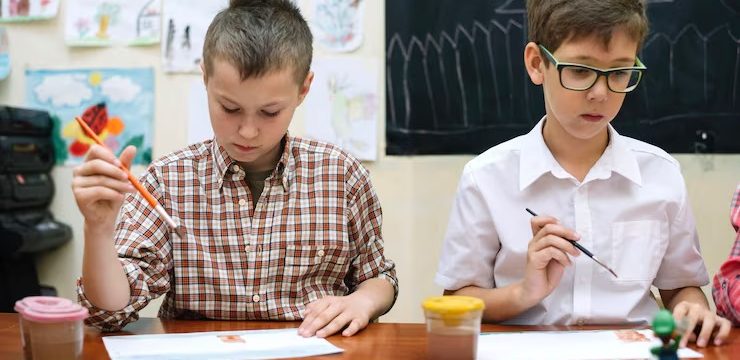
Encouraging collaboration can also play a vital role in fostering creativity. When children work together, they can share ideas, inspire one another, and learn to appreciate diverse perspectives. Create opportunities for group activities, such as art projects or storytelling sessions, where they can brainstorm and build on each other’s ideas. This collaborative spirit not only enhances their creative abilities but also teaches valuable social skills, such as communication and teamwork.
A gentle shift in perspective can also make a world of difference. Instead of viewing creativity as a skill reserved for artists or writers, embrace the idea that everyone has a creative spark within them. Encourage children to see creativity as a way of thinking—an approach to problem-solving that can be applied in various aspects of life. This mindset allows them to approach challenges with an open heart and mind, fostering resilience and adaptability.
In our fast-paced world, it can be easy for children to become overwhelmed by schedules and commitments. Allowing for unstructured playtime is vital for creative growth. During these moments, children can explore their interests freely without the constraints of deadlines or expectations. Whether they choose to build a fort, invent a game, or simply daydream, this time is essential for their imagination to flourish. As they play, they often weave together ideas and concepts, leading to unexpected and wonderful discoveries.
Storytelling is another powerful tool for encouraging creative growth. Sharing stories—whether through reading, telling, or writing—opens up new worlds for children. It allows them to engage with different cultures, ideas, and emotions. Encourage them to create their own stories, whether through written words, drawings, or even performances. This not only enhances their imagination but also strengthens their communication skills and emotional intelligence.
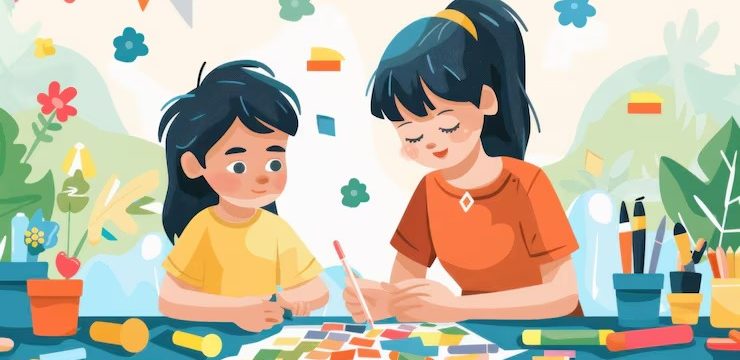
As parents and caregivers, it’s important to model creativity in our own lives. Engaging in creative activities alongside children can inspire them and show that creativity is a lifelong journey. Whether it’s painting, writing, or even cooking, demonstrating your creative pursuits can motivate them to explore their own passions. Sharing your experiences, including the challenges and triumphs, can also be a valuable lesson in perseverance.
Encouraging creative growth is not just about providing opportunities; it’s also about cultivating a supportive mindset. Praise effort over outcome, and celebrate the uniqueness of each child’s creations. By fostering an atmosphere of acceptance and encouragement, children will feel more empowered to take risks and express themselves freely. This nurturing approach helps them build resilience and confidence, essential attributes for navigating life’s challenges.
As we guide children on their creative journeys, it’s crucial to remember that creativity is not a destination but a process. It ebbs and flows, influenced by their experiences and emotions. By providing a loving and supportive environment, we can help children discover their passions and develop their creative voices. This journey of exploration not only enriches their lives but also contributes to a more innovative and compassionate world.
Ultimately, nurturing creativity in children is an investment in their future. It equips them with the tools to think critically, solve problems, and express themselves authentically. As they grow and evolve, the creative seeds we plant today will blossom into a lifetime of curiosity, passion, and resilience. Let us embrace this beautiful journey together, allowing our children to flourish in their unique and imaginative ways.