In a world that often feels fast-paced and disconnected, nurturing a sense of community and cooperation within our children has never been more important.
As parents, educators, and caregivers, we have the opportunity to guide children toward understanding the value of teamwork through cooperative tasks.
These shared experiences not only foster essential life skills but also create lasting bonds that can enrich their social and emotional development.
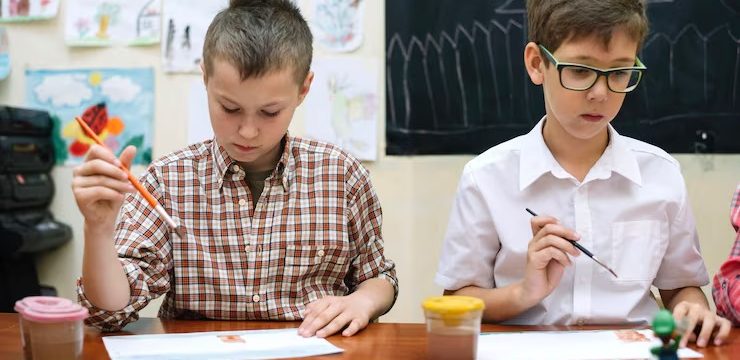
The beauty of cooperative tasks lies in their simplicity. They can take many forms, from collaborative art projects to group games and even household chores. The key is creating an environment where children feel encouraged to work together, share ideas, and learn from one another. When children engage in cooperative activities, they are not just completing a task; they are also developing critical skills such as communication, empathy, and problem-solving.
One of the first steps in introducing cooperative tasks is to create a supportive atmosphere. Children thrive when they feel safe to express themselves and take risks. Encouraging open dialogue about the importance of teamwork can help set the stage. Simple conversations about how everyone has unique strengths can inspire children to appreciate the differences in their peers. This appreciation is a cornerstone of cooperation, as it encourages them to lean on one another’s abilities.
A gentle way to introduce cooperative tasks is through play. Children are naturally inclined to play, and games that require teamwork can be both educational and enjoyable. Classic games like capture the flag or team scavenger hunts not only promote physical activity but also enhance social interaction. These activities encourage children to strategize together, negotiate roles, and celebrate each other’s successes. The laughter shared during these moments builds camaraderie and lays the foundation for deeper relationships.
As children grow, incorporating cooperative tasks into everyday routines can be immensely beneficial. Household chores can become a wonderful opportunity for collaboration. Cooking a meal together, for instance, allows children to engage in planning, measuring, and executing a task as a team. This not only teaches practical skills but also fosters a sense of accomplishment when they enjoy the fruits of their labor. Sharing responsibilities can also instill a sense of ownership and pride in their contributions to the family.
In the classroom setting, cooperative learning strategies can be particularly impactful. Group projects, discussions, and peer teaching are just a few examples of how educators can facilitate teamwork. These experiences encourage children to listen actively, share ideas, and respect differing opinions. When students work together to solve a problem or complete a project, they learn that collaboration often leads to more creative and effective solutions.
The importance of reflection in cooperative tasks cannot be overstated. After completing a group activity, take the time to discuss what worked well and what could be improved. This reflection helps children understand the dynamics of teamwork and the value of each member’s contribution. It also encourages them to think critically about their interactions, fostering a deeper understanding of empathy and cooperation.
Encouraging children to participate in community service projects can further enhance their cooperative skills. Volunteering as a family or in groups teaches children about social responsibility and the importance of giving back. Whether it’s organizing a neighborhood clean-up or helping at a local food bank, these experiences can help children see the impact of working together for a common cause. The shared experience of helping others not only strengthens their sense of community but also cultivates compassion and gratitude.
As children engage in cooperative tasks, it’s essential to celebrate their efforts and successes, no matter how small. Recognizing teamwork reinforces their understanding of the positive outcomes that arise from collaboration. Simple gestures like verbal praise, a high-five, or even a family celebration can go a long way in making children feel valued and appreciated.
In our journey to help children grow through cooperative tasks, it’s important to remember that challenges will inevitably arise. Disagreements, frustration, and misunderstandings are all part of the process. Instead of shying away from these moments, use them as teaching opportunities. Encourage children to express their feelings and work through conflicts together. This not only helps them develop resilience but also strengthens their ability to navigate relationships in the future.
A small shift toward balance can make a significant difference in how children approach cooperation. Encouraging them to take turns leading tasks or allowing them to choose which activities to engage in can foster a sense of agency. This balance helps children feel empowered, knowing their voices matter in a group setting. When they feel ownership over their contributions, they are more likely to invest in cooperative efforts.
As we guide children through their formative years, the importance of cooperation cannot be understated. The skills they develop through cooperative tasks will serve them well throughout their lives, influencing their relationships, careers, and communities. By fostering an environment that values teamwork, we are equipping them with the tools they need to thrive in an interconnected world.
Ultimately, the journey of helping children grow through cooperative tasks is one of connection, understanding, and joy. As they learn to work together, they not only discover their own strengths but also appreciate the unique contributions of those around them. In this way, we are not just teaching them how to collaborate; we are nurturing compassionate, empathetic individuals who will carry these lessons into the future. The bonds formed through shared experiences can last a lifetime, creating a ripple effect of kindness and cooperation in the world.