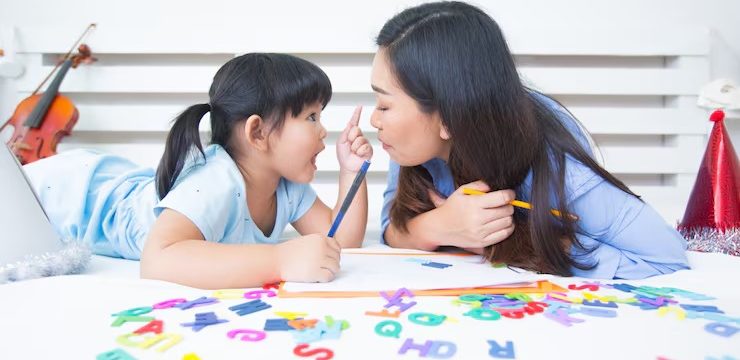
In a world where conversations often seem to rush by, teaching kids the value of constructive dialogue can feel like a quiet revolution.
The ability to engage in meaningful discussions is a skill that can shape their relationships and influence their understanding of the world.
It’s about more than just exchanging words; it’s about fostering connections, empathy, and mutual respect.
Constructive dialogue is a gentle art that encourages individuals to express their thoughts and feelings while also being open to the perspectives of others. When children learn to engage in this way, they develop critical thinking skills and emotional intelligence that will serve them well throughout their lives. It’s a journey that begins at home and can flourish in schools, communities, and beyond.
A foundation of trust and safety
Creating an environment where children feel safe to express themselves is the first step toward nurturing constructive dialogue. This means encouraging open communication, where children know their thoughts and feelings are valued. When parents and caregivers listen actively, it not only builds trust but also models the behavior they wish to see in their children.
One way to foster this environment is by engaging in regular conversations about everyday topics. Whether it’s discussing a favorite book, a recent event at school, or even a family decision, these discussions can provide a platform for children to articulate their opinions. It’s important to ask open-ended questions that invite them to share their thoughts rather than simply seeking a yes or no answer.
Beyond simply encouraging expression, it’s vital to validate their feelings. Acknowledging their emotions can help children understand that it’s okay to have differing opinions and that these differences can be explored through dialogue rather than conflict.
The art of listening
Listening is an essential component of constructive dialogue, and teaching kids to listen actively can transform their interactions. Active listening involves not just hearing the words spoken but also understanding the emotions and intentions behind them. It’s about being present in the conversation and showing genuine interest in what others have to say.
Parents can model active listening by demonstrating it in their own conversations. When a child speaks, giving them undivided attention—making eye contact, nodding, and responding thoughtfully—illustrates the importance of this skill. Encouraging children to summarize what they’ve heard from others can also reinforce their listening abilities and ensure they grasp the essence of the dialogue.
Additionally, discussing the importance of body language can enrich their understanding of communication. Non-verbal cues often convey messages just as powerfully as words. By being aware of their own body language and interpreting that of others, children can navigate conversations more effectively.
Navigating conflict with grace
Conflict is a natural part of any relationship, and teaching children how to navigate disagreements constructively is vital. Instead of viewing conflict as something negative, it can be reframed as an opportunity for growth and understanding. Discussing the idea that differing opinions can coexist peacefully is an important lesson.
Encouraging children to express their feelings during conflicts is essential, but it’s equally important to guide them in articulating their thoughts in a respectful manner. Teaching phrases like “I feel” statements can help them express their emotions without placing blame on others. For example, saying “I feel upset when…” allows them to communicate their feelings while still being considerate of the other person’s perspective.
Role-playing different scenarios can be an effective way to practice navigating conflicts. By acting out various situations, children can explore different responses and outcomes, learning how to approach disagreements with empathy and understanding.
The value of empathy
Empathy is the cornerstone of constructive dialogue, allowing children to connect with others on a deeper level. Encouraging kids to consider the feelings and perspectives of those around them not only enhances their communication skills but also fosters compassion and kindness.
One way to nurture empathy is through storytelling. Sharing stories—whether from books, movies, or personal experiences—can help children step into the shoes of different characters and understand diverse viewpoints. After sharing a story, engaging them in discussions about how the characters might feel and why can deepen their understanding of empathy.
Moreover, volunteering and community involvement can provide children with real-life opportunities to practice empathy. By engaging with people from various backgrounds, they can learn to appreciate different experiences and perspectives, enriching their understanding of the world.
Creating a culture of dialogue
To instill the value of constructive dialogue, it’s beneficial to create a culture of open communication within the family. Regular family meetings or discussions can be a great way to encourage everyone to share their thoughts and feelings. This not only strengthens family bonds but also reinforces the idea that everyone’s voice matters.
In these gatherings, it’s helpful to establish ground rules that promote respectful dialogue. Encouraging everyone to speak without interruption and to listen with an open mind can create a safe space for discussion. Celebrating small victories, such as successfully navigating a disagreement or expressing feelings, can also reinforce positive behavior.
As children grow, these skills can extend beyond the family unit into their friendships and school environments. Encouraging them to share what they’ve learned about constructive dialogue with their peers can help create a ripple effect, fostering a culture of empathy and understanding in their wider community.
A lifelong journey
Teaching kids the value of constructive dialogue is not a one-time lesson but a lifelong journey. As they grow and encounter new experiences, the ability to engage in meaningful conversations will serve them well. It’s a gift that can enhance their relationships, enrich their understanding of diverse perspectives, and empower them to navigate the complexities of life with grace and empathy.
In a world that often feels divided, fostering these skills in our children can contribute to a more compassionate society. By nurturing constructive dialogue, we are not only helping them communicate effectively but also encouraging them to become thoughtful, engaged citizens who contribute positively to their communities. The journey may be gradual, but the impact will resonate for years to come.