In an age where technology is woven into the fabric of our daily lives, the intersection of creativity and artificial intelligence presents an intriguing landscape.
The idea that machines can stimulate our creative instincts may seem paradoxical, yet it opens a door to new possibilities.
Teaching creativity through artificial intelligence is not just about leveraging technology; it’s about enhancing our innate abilities to think outside the box, express ourselves, and innovate.
A gentle introduction to artificial intelligence in the creative realm reveals a world that is not only about algorithms and data but also about inspiration and exploration. As we navigate this evolving terrain, we can find ways to use AI as a supportive partner in our creative endeavors. This partnership can encourage us to push boundaries and discover new avenues of expression.
Finding balance in the creative process can sometimes feel challenging. Traditional educational methods have often emphasized rote learning and standardized testing, which can stifle creative thought. However, integrating AI into the learning environment offers a refreshing shift. Imagine an educational experience where students can interact with AI tools designed to foster creativity rather than limit it. These tools can provide instant feedback, suggest new ideas, or even assist in brainstorming sessions, allowing learners to explore concepts in a way that feels organic and engaging.
One beautiful aspect of using AI in creative education is its ability to personalize learning experiences. Each individual has a unique creative voice, and AI can adapt to different styles and preferences. For instance, a budding writer can utilize AI-driven writing assistants to refine their stories, while a young artist might experiment with digital art platforms that suggest color palettes or composition techniques based on their previous works. This personalized approach encourages learners to embrace their individuality and develop confidence in their creative skills.
The notion of collaboration is another vital element to consider. With artificial intelligence, the creative process can become a shared journey. Students can collaborate with AI to generate ideas, explore potential outcomes, and even create art or music together. This partnership not only enhances creativity but also teaches valuable lessons about teamwork and the importance of diverse perspectives. By working alongside AI, learners can discover that creativity is not a solitary pursuit; it thrives in community and dialogue.
A small shift toward balance can be achieved through the mindful use of AI tools. While technology can enhance creativity, it is essential to maintain a human touch. Encouraging students to step away from screens and engage in traditional creative practices—such as sketching, writing in journals, or simply daydreaming—can foster a well-rounded creative experience. Balancing digital tools with hands-on activities cultivates a holistic approach that respects both the power of technology and the beauty of human imagination.
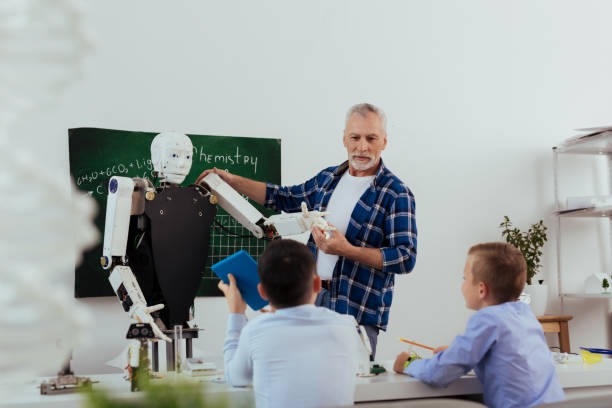
Engagement is key to nurturing creativity, and AI can play a significant role in making learning more interactive and enjoyable. Imagine a classroom where students use AI-driven platforms to simulate real-world challenges, from designing sustainable cities to creating marketing campaigns for environmental initiatives. These experiences not only ignite passion but also instill a sense of purpose. When learners see the tangible impact of their creativity, their enthusiasm for exploration and invention grows.
As we delve deeper into the educational landscape, the role of educators becomes increasingly crucial. Teachers who embrace AI as a tool rather than a replacement can create enriching environments that inspire innovation. By integrating AI responsibly, educators can guide students in understanding the ethical implications of technology while encouraging them to harness its potential for good. This approach prepares learners to navigate a future where creativity and technology coexist harmoniously.
A thoughtful consideration of the challenges that come with teaching creativity through AI is also important. While these tools can be immensely beneficial, there is a risk of overreliance. It’s essential to cultivate critical thinking and problem-solving skills alongside the use of AI. Encouraging students to question, critique, and innovate beyond the suggestions of AI fosters a deeper understanding of their creative processes. It also empowers them to become discerning creators who can navigate the complexities of the digital age.
In this journey of blending creativity and artificial intelligence, we must also celebrate the joy of experimentation. Encouraging learners to take risks and embrace failure as a step toward growth is fundamental. AI can provide a safe space for exploration, where students can try new ideas without the fear of judgment. This freedom to experiment fosters resilience and adaptability—traits that are invaluable in both creative pursuits and life beyond the classroom.
As we reflect on the potential of teaching creativity with artificial intelligence, it becomes clear that the future holds endless possibilities. This partnership encourages a new generation of thinkers, dreamers, and creators who are unafraid to challenge norms and explore uncharted territories. By embracing AI as a supportive ally in the creative process, we can cultivate an environment where imagination flourishes and innovation becomes a way of life.
Ultimately, the goal is not to replace the human element in creativity but to enhance it. With the right balance, artificial intelligence can serve as a catalyst for inspiration, helping us to unlock our creative potential in ways we never thought possible. As we embark on this exciting journey, let us remain open to the wonders that await, ready to embrace the synergy of human creativity and artificial intelligence. Together, we can redefine what it means to be creative in a technology-driven world, paving the way for a future that celebrates innovation, imagination, and the joy of creation.