Exploring Geometric Thinking with Simple Ideas
In a world filled with complexity, finding beauty in simplicity can be a refreshing experience.
One of the most captivating ways to embrace simplicity is through geometric thinking.
This concept revolves around the understanding and appreciation of shapes, patterns, and spatial relationships that surround us. Whether it’s in nature, art, or architecture, geometry invites us to see the world through a lens that celebrates symmetry and balance. Let’s embark on a gentle exploration of geometric thinking, discovering how it can enrich our lives in delightful ways.
A gentle introduction to geometry
At its core, geometry is about understanding the properties and relationships of shapes. Think of a circle, for instance. It’s not just a round shape; it symbolizes unity, wholeness, and harmony. When we take a moment to observe circles in our environment, we can find them in everything from the sun and moon to wheels and ripples in water. This simple act of recognition can spark a deeper connection to the world around us, transforming ordinary moments into opportunities for reflection.
As we delve into the world of geometric thinking, it’s useful to consider how shapes can influence our emotions and perceptions. A triangle often conveys stability and strength, while a spiral can evoke feelings of movement and growth. By becoming aware of these subtle associations, we can enhance our mindfulness and appreciation for the aesthetics that geometry brings into our lives.
Finding geometry in everyday life
One of the most beautiful aspects of geometric thinking is its omnipresence in our daily lives. From the architecture of our homes to the design of our favorite clothing, geometry plays a significant role. Take a moment to look around; how many different shapes can you identify? Perhaps the rectangular window frames, the circular knobs on a cabinet, or the triangular rooftops of nearby houses? Each shape contributes to a larger narrative, creating a tapestry of visual experiences.
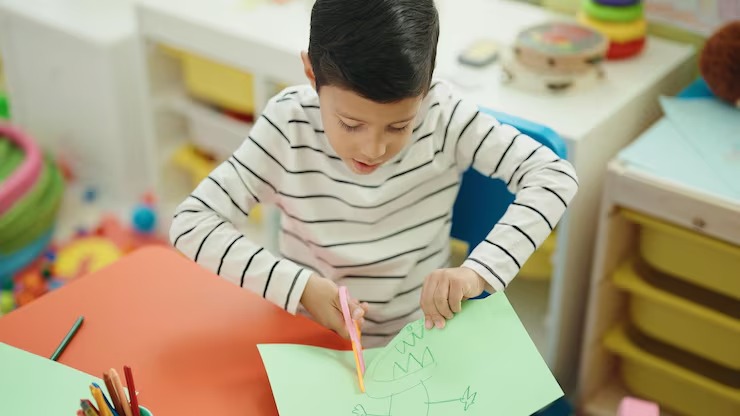
Exploring geometry doesn’t have to be limited to observation; it can also be a creative endeavor. Engaging in simple crafts or activities that involve geometric shapes can be a wonderful way to deepen your understanding. Try your hand at origami, where folding paper into intricate shapes can provide a meditative experience. Or consider creating geometric art by using colored pencils or paints to fill in shapes, allowing your creativity to flow freely. These activities not only enhance our appreciation for geometry but also provide a calming outlet for self-expression.
A small shift toward balance
Geometric thinking can also guide us toward balance in our lives. The principles of symmetry and proportion found in geometry can serve as metaphors for achieving equilibrium in our daily routines. For instance, consider the balance of your time. Just as a well-designed structure relies on proportional shapes to stand tall and strong, our lives flourish when we allocate time for work, rest, and play in harmonious proportions.
A mindful approach to geometry invites us to reflect on the shapes of our lives. Are there areas where we feel lopsided or out of balance? Perhaps it’s time to realign your focus and make adjustments to create a more fulfilling existence. By consciously incorporating geometric thinking into our lives, we can foster a sense of stability and well-being.
Connecting with nature through geometry
Nature is a remarkable teacher when it comes to geometric thinking. The intricate patterns found in leaves, flowers, and even snowflakes reveal the underlying mathematical principles that govern the natural world. Observing these patterns can deepen our connection to nature, allowing us to appreciate its complexity and beauty.
Consider taking a walk in a nearby park or garden, immersing yourself in the shapes and patterns that you encounter. Notice the spirals of a sunflower or the hexagons of a honeycomb. These elements remind us of the interconnectedness of life and the elegance of design that exists in even the simplest forms. Engaging with nature in this way can provide a sense of grounding, nurturing our spirit and inspiring creativity.
The joy of geometric play
Geometric thinking also encourages a playful approach to life. Remember the joy of building with blocks or playing with puzzles as a child? These activities not only foster cognitive development but also invite us to explore our creativity through shapes and structures. As adults, we can rekindle this sense of play by engaging in activities that challenge our spatial reasoning and ignite our imagination.
Consider visiting a local art exhibit or museum that focuses on geometric art. Many contemporary artists use shapes and patterns to create thought-provoking pieces that invite us to see the world from new perspectives. Engaging with art in this way can inspire us to think geometrically, encouraging us to incorporate more creativity into our everyday lives.
Embracing geometric thinking in mindfulness practices
Incorporating geometric thinking into mindfulness practices can enhance our sense of presence and awareness. Visualization techniques, for instance, can be enriched by focusing on geometric shapes. Picture a calming triangle representing stability, or a circle symbolizing wholeness as you meditate. Allowing these shapes to guide your thoughts can create a sense of focus and tranquility.
Additionally, consider exploring yoga or movement practices that emphasize alignment and balance. The principles of geometry are often reflected in the postures we take, reminding us to find equilibrium in both body and mind. By embracing these practices, we can cultivate a deeper understanding of ourselves and our connection to the world.
In conclusion, exploring geometric thinking is not just an intellectual exercise; it is a journey that invites us to see the beauty in simplicity and the patterns that shape our lives. Whether through observation, creativity, or mindful practices, engaging with geometry can enrich our experiences and foster a deeper connection to ourselves and our surroundings. As we embrace the elegance of shapes, let us remember that the world is a canvas of geometric possibilities, waiting to be explored with a sense of wonder and curiosity.