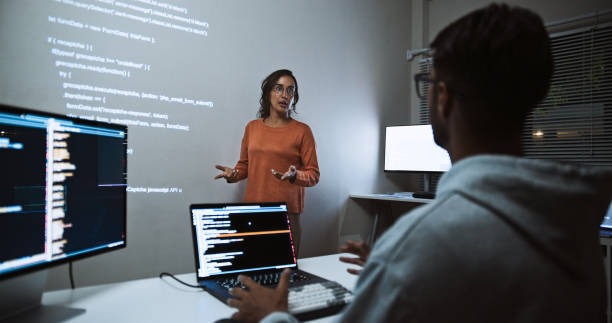
The future of quantum computing is a fascinating subject that invites us to explore the intersection of technology and our everyday lives.
As we stand on the brink of this new era, it’s essential to understand what quantum computing is and how it might reshape our world in the coming years.
At its core, quantum computing leverages the principles of quantum mechanics, a branch of physics that explores the behavior of matter and energy at the smallest scales. Unlike classical computers, which process information in binary form—using bits as either a zero or a one—quantum computers utilize quantum bits, or qubits. These qubits can exist in multiple states simultaneously, enabling quantum computers to perform complex calculations at astonishing speeds.
Imagine a world where problems considered insurmountable by today’s computers can be solved in mere moments. This potential is what excites researchers and industry leaders alike. From drug discovery to climate modeling, the applications of quantum computing are vast and varied. Just think about how it could revolutionize healthcare, enabling researchers to simulate molecular interactions with unprecedented precision. This could lead to the development of new medications tailored to individual patients, significantly improving treatment outcomes.
A small shift toward balance in our understanding of technology is essential. While quantum computing holds immense promise, it also brings along a host of challenges and ethical considerations. The power of quantum computers could potentially break the encryption methods that secure our digital communications today. This raises crucial questions about privacy and security in a future where data protection becomes increasingly complex. As we embrace this technology, it is vital to foster discussions about responsible use and the potential implications for society.
In a world where quantum computing becomes mainstream, we might see a shift in the job market as well. The demand for quantum computing experts is expected to rise, creating new career opportunities in various fields. Educational institutions are beginning to adapt their curricula to include quantum science, preparing the next generation of innovators. This emphasis on education not only paves the way for advancements in technology but also encourages a deeper understanding of science and its impact on our lives.
Exploring the potential of quantum computing also leads us to consider its role in sustainability. As the global community grapples with the effects of climate change, quantum computing could provide the tools needed to analyze complex environmental data, develop efficient energy solutions, and optimize resource management. The ability to simulate intricate systems could help us uncover new ways to reduce waste and enhance conservation efforts.
As we navigate this evolving landscape, it’s essential to remain grounded in our human experience. The advancements in quantum computing should ultimately serve to enhance our quality of life. Whether it’s through improved healthcare, more efficient technologies, or solutions to pressing global issues, the goal is to create a future that is not only technologically advanced but also compassionate and inclusive.
In the realm of everyday life, the transition to a quantum-enabled world may be gradual. Just as the digital revolution transformed our daily routines, quantum computing will likely integrate seamlessly into our lives. We might not notice its presence directly, but its influence will be felt in the background, enhancing the technologies we use and the services we rely on. As we move forward, it’s essential to maintain a sense of curiosity and openness to the possibilities that quantum computing presents.
Engaging with this topic offers a unique opportunity for reflection. As we embrace the future, it’s essential to consider how technology can work alongside our values and aspirations. Quantum computing is not just about speeding up calculations; it’s about fostering innovation that aligns with our collective goals. By prioritizing ethical considerations and inclusivity, we can ensure that the advancements we make benefit everyone.
The excitement surrounding quantum computing is palpable, and as researchers continue to make strides, we can look forward to a future filled with possibilities. The journey toward fully realizing the potential of this technology is ongoing, but the conversations we have today are laying the groundwork for tomorrow.
In many ways, the future of quantum computing mirrors our own journey toward a more connected, informed, and harmonious existence. As we continue to explore the unknown, let us do so with a sense of wonder and responsibility. The choices we make now will shape the landscape of technology and society for generations to come.
As we reflect on the future, let’s remember that technology should serve as a tool for good. The advancements in quantum computing hold the promise of a brighter tomorrow, but it is up to us to steer this ship in a direction that enhances human life. With thoughtful consideration and a collaborative spirit, we can harness the power of quantum computing to create a future that is not only innovative but also deeply human-centered.
In conclusion, as we stand at the crossroads of possibility, let’s embrace the journey ahead with optimism and mindfulness. The future of quantum computing is not just a tale of technological advancement; it’s a narrative of hope, responsibility, and the endless potential of human ingenuity. Together, we can navigate this exciting terrain and ensure that the benefits of quantum computing are shared by all, enriching our lives and the world around us.