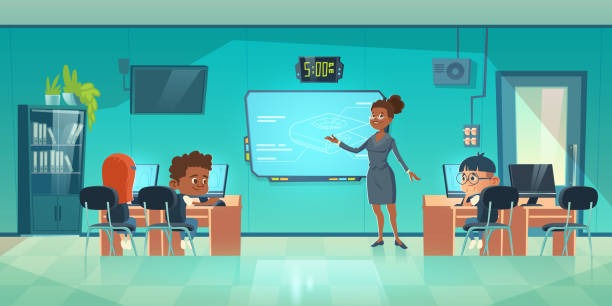
In recent years, the integration of artificial intelligence (AI) in education has sparked lively conversations about the future of learning.
As schools begin to embrace this technology, many educators and parents find themselves wondering how they can best support students in a world increasingly influenced by AI.
The key lies in developing thoughtful strategies that foster a harmonious blend of technology and traditional learning methods.
A gentle introduction to AI in the classroom can make a significant difference. The concept of AI might seem daunting, but at its core, it’s about enhancing human capabilities. In schools, AI can serve as a valuable tool that personalizes learning experiences, making education more engaging and accessible. By recognizing AI as an ally rather than a replacement, educators can create a nurturing environment where students thrive.
Creating a supportive atmosphere starts with understanding the unique needs of each student. AI can help teachers gather data on learning styles, preferences, and progress. This information allows educators to tailor their approaches, ensuring that every child receives the attention they deserve. Imagine a classroom where students work at their own pace, receiving instant feedback that guides them toward improvement. This personalized learning journey can empower students, boosting their confidence and motivation.
One of the most effective strategies for incorporating AI in schools is through professional development for teachers. Providing educators with the training and resources they need to understand and utilize AI tools is essential. Workshops and collaborative sessions can create a community of learners among teachers, allowing them to share experiences and insights. When teachers feel confident in their ability to integrate AI into their lessons, they can inspire their students to embrace these technologies as well.
As schools explore the potential of AI, it’s important to foster a culture of curiosity and exploration. Encouraging students to experiment with AI tools can spark innovation and creativity. For instance, students might use AI-driven platforms to create projects, conduct research, or even develop their own applications. This hands-on experience not only enhances their technical skills but also promotes critical thinking and problem-solving abilities.
A small shift toward balance is essential when implementing technology in the classroom. While AI can provide numerous benefits, it’s important to remember the value of human interaction. Teachers play a crucial role in guiding students, fostering social skills, and building relationships. Blending traditional teaching methods with AI can create a well-rounded educational experience. For example, using AI for personalized assignments while maintaining group discussions and collaborative projects encourages students to learn from each other in meaningful ways.
Engaging parents in the conversation about AI in education can also help create a supportive network for students. Families can be valuable partners in this journey, and open dialogue about the benefits and challenges of AI can empower them to support their children’s learning. Schools can host informational sessions where parents learn about the tools being used in the classroom and how they can reinforce those lessons at home. This partnership fosters a sense of community and shared responsibility for the students’ educational experiences.
Another important aspect of integrating AI in schools is addressing ethical considerations and digital citizenship. As students become more familiar with technology, it’s essential to teach them how to navigate the digital world responsibly. Discussions around privacy, security, and the ethical use of AI can help students develop a strong moral compass as they engage with these tools. By fostering a sense of responsibility, schools can prepare students to become informed and conscientious users of technology.
As we look to the future, it’s clear that AI will continue to evolve and shape the educational landscape. Staying informed about emerging trends and technologies can help educators and parents make thoughtful decisions that benefit students. Regularly engaging with research, attending conferences, and collaborating with experts in the field can provide valuable insights into the most effective ways to integrate AI in schools.
A focus on inclusivity is also crucial in this journey. AI has the potential to bridge gaps in learning and provide support for students with diverse needs. By utilizing AI-driven tools that cater to various learning styles and abilities, schools can create a more equitable environment. This approach not only fosters academic success but also promotes social-emotional well-being, as every student feels valued and understood.
As we navigate this new frontier of education, it’s essential to remain adaptable and open-minded. Embracing change can be challenging, but it also presents opportunities for growth. Schools that cultivate a culture of innovation and resilience will be better equipped to face the future. By encouraging students to embrace challenges, learn from failures, and celebrate successes, we prepare them for a world that is constantly evolving.
Ultimately, the success of AI in schools hinges on a collaborative effort among educators, parents, and students. By fostering open communication and a shared vision, we can create an enriching educational environment that harnesses the power of technology while remaining deeply rooted in the human experience. As we move forward, let us remember that the heart of education lies in connection, creativity, and a lifelong love of learning.
In this journey, AI is not just a tool; it’s a partner that can help us unlock the potential within every student. By approaching this integration thoughtfully and compassionately, we can ensure that the future of education is bright, inclusive, and filled with endless possibilities. Embracing AI in schools is not merely about keeping pace with technology; it’s about nurturing the minds and hearts of the next generation.