In a world where creativity intertwines with technology, 3D modeling has emerged as a transformative force in various fields.
From video games and films to architecture and product design, the ability to create three-dimensional representations of ideas has opened up a realm of possibilities.
This exploration into the world of 3D modeling reveals not only the intricacies of the craft but also how it enriches our lives in unexpected ways.
The allure of 3D modeling lies in its ability to bring imagination to life. Imagine a sculptor meticulously carving a masterpiece from a block of stone. Now, picture that artist armed with a digital toolset, manipulating pixels and polygons instead of chisels and hammers. This shift from traditional to digital artistry allows for endless experimentation. Artists can create, modify, and perfect their designs in a virtual space without the constraints of physical materials. The freedom to iterate quickly fosters a playful spirit, inviting creators to push the boundaries of their imagination.
As we delve deeper into this captivating world, we discover that 3D modeling serves as a bridge between abstract ideas and tangible outcomes. In architecture, for instance, it allows architects to visualize structures before they are built. This not only enhances the design process but also aids in communicating ideas to clients and stakeholders. A virtual walkthrough of a building can evoke emotions and reactions that sketches or blueprints simply cannot. This immersive experience transforms the way we perceive space, enabling us to envision how a structure will breathe life into its surroundings.
In the realm of entertainment, 3D modeling plays a pivotal role in the creation of animated films and video games. Characters, environments, and objects come to life through intricate modeling techniques. Each detail, from the texture of a character’s skin to the shimmering lights of a cityscape, is crafted with precision, inviting audiences to step into richly imagined worlds. The power of 3D modeling is evident in how it enhances storytelling, allowing creators to convey complex narratives through visual artistry. It’s a reminder that art and technology can coexist harmoniously, producing experiences that resonate on multiple levels.
A small shift toward balance can also be seen in how 3D modeling is influencing industries beyond entertainment and architecture. In healthcare, for example, 3D modeling is revolutionizing the way we approach medical procedures. Surgeons can use detailed models of a patient’s anatomy to plan complex surgeries, reducing risks and improving outcomes. This application of technology underscores the profound impact that 3D modeling can have on our well-being, as it enhances the precision and effectiveness of medical interventions.
As we navigate this fascinating landscape, it’s essential to recognize that 3D modeling is not solely the domain of professionals. With the advent of user-friendly software and online tutorials, anyone with a spark of creativity can embark on their own modeling journey. Hobbyists and enthusiasts are finding joy in crafting 3D designs, whether for personal projects or as part of a larger community. This democratization of technology fosters a sense of belonging, where individuals can share their creations, learn from one another, and inspire each other to explore new horizons.
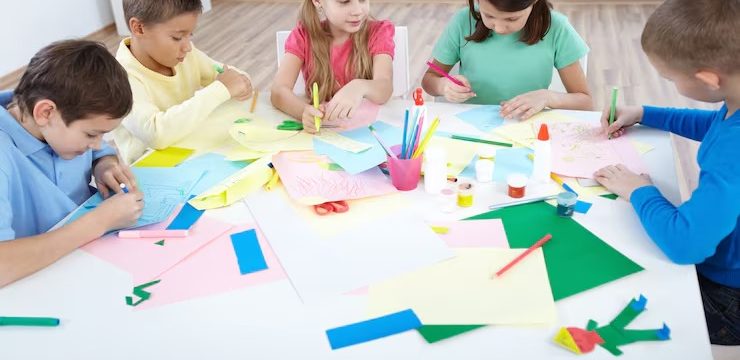
The intersection of 3D modeling and education is another area ripe for exploration. Schools are beginning to integrate 3D modeling into their curricula, encouraging students to engage in hands-on learning. By creating models, students develop critical thinking and problem-solving skills while expressing their creativity. This approach not only makes learning more interactive but also prepares the next generation for a future where digital literacy is paramount.
As we reflect on the impact of 3D modeling in computing, it’s clear that this art form is more than just a technical skill. It embodies a mindset of exploration and innovation. Whether used for artistic expression, practical applications, or educational purposes, 3D modeling invites us to view the world through a different lens. It encourages us to question, imagine, and create, reminding us that our potential is limited only by our willingness to explore.
In a society that often emphasizes rapid results, the process of 3D modeling offers a refreshing perspective. The journey from concept to creation is filled with discovery, challenges, and triumphs. It requires patience and persistence, qualities that resonate deeply in our fast-paced lives. Engaging in 3D modeling can be a meditative practice, allowing individuals to immerse themselves in their creative flow and find solace in the act of making.
As we continue to embrace the digital age, the significance of 3D modeling will only grow. It is a testament to human ingenuity and the relentless pursuit of creativity. Whether you are a seasoned professional or a curious newcomer, there is a place for you in this vibrant community. The beauty of 3D modeling lies not just in the final product but in the connections we forge along the way.
In conclusion, exploring the world of 3D modeling in computing opens up a treasure trove of opportunities for creative expression and innovation. It challenges us to think differently, encourages collaboration, and enhances our understanding of the world around us. As we look to the future, let us celebrate this fusion of art and technology, and embrace the journey of creation that awaits us. Whether for personal fulfillment or professional growth, the world of 3D modeling invites us all to step into a realm where our ideas can take shape and soar.