In today’s fast-paced world, technology has woven its way into nearly every aspect of our lives.
From the way we communicate to how we learn, the digital landscape is ever-evolving.
This transformation has also reached the classroom, providing teachers with innovative tools that can enhance the learning experience. As educators, embracing technology effectively can lead to a more engaging and productive environment for students.
Finding the right balance with technology is essential. It’s easy to become overwhelmed by the sheer number of resources available. However, the key lies in selecting tools that align with educational goals and resonate with students. This thoughtful approach can help create a harmonious learning atmosphere where both teachers and students thrive.
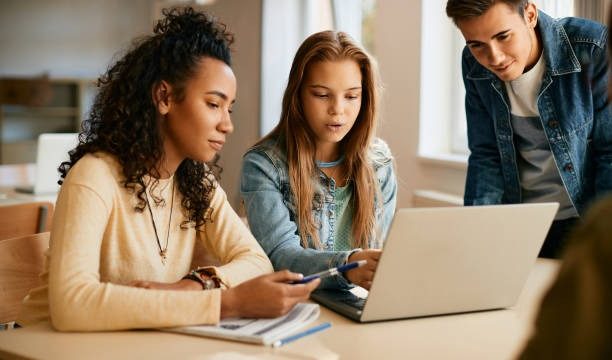
One of the most significant benefits of technology in the classroom is the ability to foster collaboration. Online platforms enable students to work together on projects, share ideas, and provide feedback, regardless of their physical location. For teachers, utilizing collaborative tools can encourage a sense of community among students, even in a virtual setting. Platforms like Google Classroom or Microsoft Teams allow for seamless communication and resource sharing, making group work more accessible and engaging.
As teachers explore these platforms, they may find that incorporating multimedia elements can also enhance learning. Videos, podcasts, and interactive presentations can capture students’ attention in ways that traditional methods may not. For instance, a well-crafted video can illustrate complex concepts, making them easier to grasp. By integrating various media types, educators can appeal to different learning styles, ensuring that every student has the opportunity to connect with the material.
A gentle shift toward a more personalized learning experience is another significant advantage of technology. With the help of educational software, teachers can tailor lessons to meet individual student needs. Adaptive learning programs can assess a student’s strengths and weaknesses, providing customized resources that support their unique learning journey. This personalized approach not only fosters a deeper understanding of the material but also builds confidence in students as they progress at their own pace.
Moreover, technology can serve as a bridge to the world beyond the classroom. Virtual field trips, guest speakers via video calls, or online exchange programs can provide students with experiences that broaden their horizons. These opportunities help students connect classroom learning to real-world applications, enriching their understanding of various subjects. By integrating these experiences into the curriculum, teachers can inspire curiosity and a love for learning that extends beyond the school walls.
However, it’s essential to recognize that technology is not a one-size-fits-all solution. Teachers should remain mindful of potential distractions and the importance of maintaining a balanced approach. While technology can enhance learning, it should not replace the critical human connection that is vital to education. Encouraging face-to-face interactions and fostering relationships among students can create a supportive environment where technology complements traditional teaching methods rather than overshadowing them.
Incorporating technology also means keeping an eye on digital citizenship. Teaching students how to navigate the online world responsibly is crucial in today’s digital age. Educators play a key role in guiding students through the complexities of online interactions, helping them understand the importance of respect, empathy, and safety in digital communication. By instilling these values, teachers can empower students to be responsible digital citizens, ready to engage positively in an increasingly connected world.
As educators explore the integration of technology into their teaching, it’s important to foster a growth mindset. This attitude encourages teachers to experiment with new tools and methods, understanding that not every attempt will yield immediate success. By viewing challenges as opportunities for growth, teachers can inspire students to adopt a similar mindset, fostering resilience and adaptability in their learning journey.
Additionally, professional development plays a crucial role in ensuring teachers feel confident in their use of technology. Schools and educational institutions should provide ongoing training and support, allowing teachers to stay updated on the latest tools and best practices. This investment in professional growth not only enhances teachers’ skills but also enriches the educational experience for students, creating a more dynamic and innovative learning environment.
In the quest to harness technology effectively, it’s also essential to involve parents and guardians in the process. Open communication about the tools being used in the classroom can help families understand how technology supports their children’s learning. Encouraging parents to engage with educational platforms at home can reinforce the skills being taught and foster a collaborative approach to education.
Ultimately, the goal of integrating technology into education is to enhance the learning experience for students. By thoughtfully selecting tools, fostering collaboration, and maintaining a balance between digital and personal interactions, teachers can create an enriching environment that encourages curiosity and growth. The journey may have its challenges, but with a supportive community and a willingness to adapt, educators can navigate the digital landscape with confidence, ensuring that students are well-equipped for the future.
As the world continues to evolve, so too will the methods we use to educate the next generation. Embracing technology with an open heart and a thoughtful approach can lead to a rewarding experience for both teachers and students. In this ever-changing landscape, the possibilities are endless, and with each new innovation, there lies the potential for deeper learning and connection.