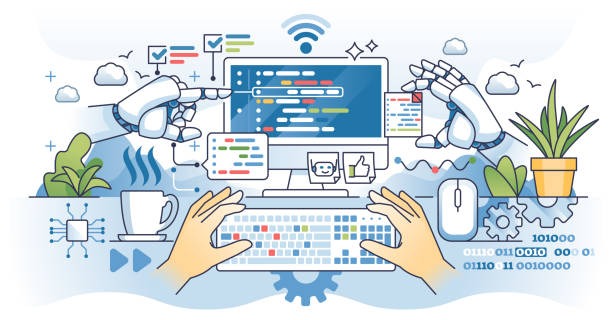
In the ever-evolving landscape of technology, programming has become a cornerstone of modern life.
Among the many languages that have emerged, Python stands out as a gentle yet powerful tool for beginners.
Its simplicity and readability make it not just a programming language, but a gateway to creativity and problem-solving.
Whether you’re looking to automate mundane tasks, delve into data analysis, or explore the world of web development, Python is an inviting entry point.
As you embark on this journey, it’s important to approach learning with an open heart and a curious mind. Programming is as much about thinking logically and creatively as it is about writing code. Python, with its clear syntax and user-friendly nature, allows you to focus more on the concepts rather than getting lost in complex syntax. This approach fosters a positive learning environment, making it easier to embrace the challenges that come with mastering a new skill.
Finding your rhythm in Python can be akin to discovering a new hobby that brings you joy. The first step is to set up your environment. Python can be easily installed on various operating systems, and there are numerous resources available to guide you through this process. Once you have Python up and running, consider exploring interactive environments like Jupyter Notebooks, which allow you to write and test your code in real-time. This hands-on experience can be incredibly rewarding and helps solidify your understanding.
A gentle introduction to Python often begins with the concept of variables and data types. Think of variables as containers that hold information. They can be numbers, text, or even more complex structures. Learning to manipulate these variables is like learning to express yourself in a new language. As you become comfortable with data types—such as integers, floats, and strings—you’ll find that you’re able to convey ideas more clearly through your code.
As you continue your exploration, you’ll encounter the beauty of control structures. These are the building blocks that enable your programs to make decisions. With if-else statements, you can guide the flow of your code based on specific conditions, much like navigating through life’s choices. This aspect of programming encourages you to think critically about how to approach problems, fostering a sense of empowerment as you see your code come to life.
In the world of Python, functions serve as a wonderful way to bring organization and clarity to your code. A function is essentially a set of instructions that can be reused throughout your program. Think of it as a recipe in a cookbook. Just as a recipe allows you to create a dish without having to remember every single step each time, functions help you streamline your coding process. This not only makes your code cleaner but also encourages you to think about how to break down complex problems into manageable parts.
As we delve deeper into Python, you’ll find that libraries are one of its most delightful features. Libraries are collections of pre-written code that you can use to extend the capabilities of your projects without reinventing the wheel. Popular libraries like Pandas for data manipulation and Matplotlib for data visualization can transform your work, allowing you to focus on the creative aspects rather than the technical details. Exploring these libraries can feel like uncovering hidden treasures that can enhance your programming experience.
While learning Python, it’s also essential to cultivate a supportive environment. Engaging with a community of learners can provide encouragement and inspiration. Consider joining online forums, attending local meetups, or participating in coding challenges. These interactions can be incredibly enriching, allowing you to share experiences, ask questions, and gain insights from others who are on a similar journey. The act of connecting with fellow learners can make the process feel less daunting and more enjoyable.
As you progress, it’s natural to encounter obstacles along the way. Programming can sometimes feel overwhelming, but it’s crucial to remember that challenges are part of the learning process. Embrace mistakes as opportunities for growth, and don’t hesitate to seek help when needed. The beauty of programming lies in its iterative nature; each error is a stepping stone toward mastery. Reflecting on your experiences will not only deepen your understanding but also cultivate resilience.
Incorporating Python into your daily life can also elevate your overall well-being. Consider automating routine tasks, such as organizing files or sending reminders. This small shift toward efficiency can free up time for activities that bring you joy. Additionally, engaging in projects that align with your passions can make learning feel more meaningful. Whether it’s creating a personal website, analyzing data that interests you, or developing a simple game, the possibilities are endless.
As you continue your journey with Python, remember to celebrate your progress, no matter how small. Each line of code you write contributes to your growth as a programmer. Take time to reflect on what you’ve learned and how far you’ve come. This practice of mindfulness can enhance your learning experience and keep you motivated.
Ultimately, Python programming is about more than just writing code; it’s about cultivating a mindset of curiosity and creativity. It invites you to approach challenges with an open heart and a willingness to explore. By embracing the journey and allowing yourself the grace to learn at your own pace, you’ll find that programming can enrich your life in unexpected ways.
So, take a deep breath, open your mind, and let the world of Python unfold before you. With each line of code, you are not just learning a new skill; you are embarking on a journey of self-discovery and empowerment. Enjoy the process, and remember that every expert was once a beginner. Your adventure in Python programming is just beginning, and the possibilities are beautifully endless.