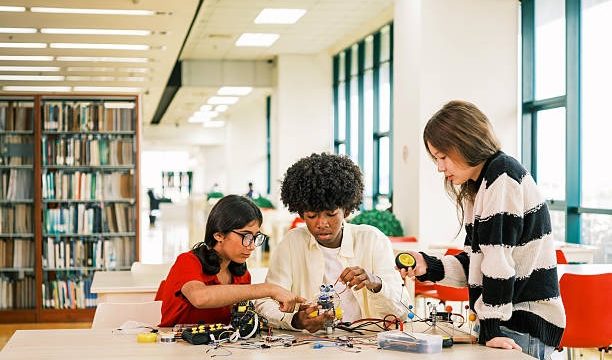
In an age where technology is seamlessly woven into the fabric of our daily lives, the education sector is no exception.
The rise of artificial intelligence (AI) has sparked a revolution in how we approach learning and teaching, presenting opportunities to track student development in ways that were once unimaginable.
As we delve into this fascinating topic, we can appreciate the gentle balance that technology can bring to the educational experience.
A new perspective on learning
Traditionally, tracking student development has relied heavily on standardized testing and periodic assessments. While these methods provide some insights, they often fail to capture the full spectrum of a student’s growth. Enter AI, which offers a fresh perspective. By analyzing a wealth of data, AI can track not just academic performance but also social-emotional skills, engagement levels, and even learning styles. This holistic approach allows educators to understand their students better and tailor their teaching methods accordingly.
Imagine a classroom where each student’s unique learning journey is acknowledged and nurtured. AI can help educators create personalized learning experiences that resonate with each individual, making the process of education feel more like a supportive partnership rather than a one-size-fits-all endeavor.
Fostering an environment of support
One of the most significant advantages of using AI to track student development is the ability to provide timely feedback. In a conventional setting, students often receive feedback only after exams or assignments are graded. With AI, teachers can access real-time data on student progress, allowing them to identify areas where a student may be struggling and intervene promptly.
This proactive approach fosters an environment of support, where students feel seen and understood. When students know that their educators are actively monitoring their development, they are more likely to engage with the learning material. This creates a positive feedback loop, where motivation and achievement go hand in hand.
Cultivating emotional intelligence
Education is not solely about academic success; it also involves nurturing emotional intelligence. AI can play a pivotal role in this aspect by analyzing data related to student behavior and interactions. For instance, AI can identify patterns in social interactions, helping educators recognize when a student may need additional emotional support or encouragement.
By focusing on emotional development alongside academic performance, schools can create a more balanced educational experience. Students learn not only how to excel in their studies but also how to navigate their emotions and build healthy relationships with their peers. This comprehensive approach prepares them for life beyond the classroom.
Building a bridge between home and school
Another beautiful aspect of AI in education is its ability to bridge the gap between home and school. Parents often want to be involved in their child’s education but may feel disconnected from what happens during school hours. AI can provide insights into a child’s progress, enabling parents to engage more meaningfully in their educational journey.
Imagine receiving regular updates on your child’s development—what they’re excelling at, where they might need some extra help, and even suggestions for how to support their learning at home. This connection fosters a sense of community between educators and families, creating a shared commitment to nurturing each child’s potential.
Encouraging lifelong learning
As we embrace the use of AI in tracking student development, we also cultivate a culture of lifelong learning. The insights garnered through AI can inspire students to take ownership of their educational journeys. With data at their fingertips, students can set personal goals, monitor their progress, and celebrate their achievements.
This empowerment is crucial in a world that is constantly evolving. By instilling a passion for learning that extends beyond the classroom, we prepare students to adapt and thrive in an ever-changing landscape. The skills they develop today will serve as the foundation for their future endeavors.
Navigating the ethical landscape
While the potential of AI in education is vast, it is essential to navigate the ethical landscape with care. Data privacy and security must be at the forefront of any AI implementation. Schools and educators must ensure that student information is protected and used responsibly. Transparency in how data is collected and analyzed fosters trust among students and parents, reinforcing the partnership between technology and education.
As we explore the possibilities of AI, it’s vital to maintain an open dialogue about its role in the classroom. Educators, students, and families should feel empowered to discuss their experiences and concerns, ensuring that the integration of technology enhances the learning environment rather than detracts from it.
A harmonious future
The integration of AI in tracking student development represents a harmonious future for education. By embracing technology, we can create personalized, supportive, and enriching learning experiences that cater to the unique needs of each student. This gentle shift toward a more nuanced understanding of education allows us to celebrate the diverse talents and strengths of every learner.
As we continue to explore the potential of AI in education, it’s important to remember that technology is a tool—a means to enhance the human experience. By fostering connections, supporting emotional growth, and promoting lifelong learning, we can create an educational landscape that is not only innovative but also deeply human.
In this journey, let us remain committed to nurturing the minds and hearts of our students, ensuring that they not only thrive academically but also grow into compassionate, well-rounded individuals. The future of education is bright, and with the right balance of technology and humanity, we can illuminate the path ahead for generations to come.