Geometry is often seen as a daunting subject, something confined to the classroom or the pages of a textbook.
However, its principles extend far beyond academic walls.
In fact, geometry plays a vital role in our daily lives, influencing how we solve problems, make decisions, and even interact with the world around us. Understanding its importance can lead to a more nuanced appreciation of both the challenges we face and the solutions we create.
A gentle introduction to geometry’s reach
Consider the simple act of arranging furniture in your living space. You might not realize it, but you’re employing geometric principles every time you decide where to place a sofa or a dining table. The shapes, angles, and lines involved in your choices determine not only the aesthetics of your home but also its functionality. By visualizing the space and imagining how different configurations will work, you’re engaging in a form of problem-solving that relies heavily on geometric understanding.
This everyday application of geometry extends to various aspects of life, from cooking to gardening. When measuring ingredients, you might use geometric shapes to estimate quantities or adjust recipes. A round cake pan, a rectangular baking dish, or even the triangular slices of a pie all embody geometric concepts. Each shape serves a purpose, and our understanding of these shapes helps us navigate the culinary world with confidence and creativity.
Finding balance in everyday life
Geometry also encourages a sense of balance and proportion, which can reflect our approach to life itself. Think about how we often seek harmony in our surroundings, whether through art, architecture, or nature. The principles of symmetry and proportion found in geometry can guide us in creating spaces that feel balanced and inviting. When we apply these concepts to our daily routines, we may find ourselves striving for a similar equilibrium, leading to a more fulfilling lifestyle.
For example, consider the layout of a garden. By understanding the geometric arrangements of plants, we can create visually appealing spaces that thrive. The circular arrangement of flowers or the straight lines of a vegetable patch not only enhance aesthetics but also promote healthy growth by ensuring adequate sunlight and air circulation. This thoughtful application of geometry to gardening can transform a simple plot of land into a thriving ecosystem, reflecting the beauty of balance in nature.
Navigating challenges with a geometric mindset
Life is filled with challenges, and geometry can offer a unique perspective on how to approach them. When faced with a problem, breaking it down into its component parts often reveals the underlying geometric relationships at play. For instance, if you’re trying to fit a new piece of furniture into a tight space, visualizing the dimensions and angles can help you determine the best way to make it work. This analytical approach not only aids in practical situations but also fosters critical thinking skills that are invaluable in various aspects of life.
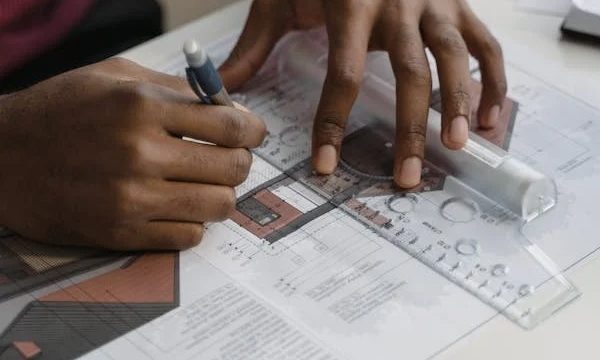
In our professional lives, geometry can come into play in unexpected ways. Architects and designers utilize geometric principles to create structures that are both functional and aesthetically pleasing. Even in fields like marketing or project management, understanding how to visualize data or represent ideas geometrically can enhance communication and effectiveness. By embracing a geometric mindset, we open ourselves up to innovative solutions that might not have been apparent at first glance.
A new perspective on relationships
Geometry can also provide insights into our relationships with others. Just as shapes can intersect or align, our connections with people can be seen through a geometric lens. The angles at which we approach conversations or the distances we maintain in our interactions can influence the dynamics of our relationships. Recognizing these patterns can help us navigate social situations with greater awareness and empathy.
For example, consider the concept of personal space. Different cultures have varying perceptions of how close is too close, and understanding these “geometric” boundaries can lead to more harmonious interactions. By being mindful of the invisible lines that define our personal comfort zones, we can foster deeper connections while respecting the needs of others.
Embracing geometry in creativity
As we explore the world of creativity, geometry emerges as a guiding force. Artists, musicians, and writers often draw inspiration from geometric forms and patterns, using them to enhance their work. Whether it’s the symmetry found in a beautiful painting or the rhythmic patterns of a song, the influence of geometry is pervasive. By recognizing these connections, we can infuse our own creative endeavors with a deeper understanding of how shapes and structures can evoke emotions and convey meaning.
Moreover, engaging with geometry can spark our own creativity. When we approach a blank canvas or an empty page with a geometric mindset, we may find ourselves experimenting with shapes, lines, and spaces in new ways. This playful exploration can lead to unexpected discoveries and innovations, enriching our artistic journeys.
A lasting legacy of geometric thinking
As we weave geometry into the fabric of our daily lives, we also cultivate a legacy of critical thinking and problem-solving. The ability to visualize, analyze, and create with geometric principles empowers us to tackle challenges with confidence. It encourages us to see the world not just as a collection of objects but as a complex interplay of shapes and relationships, inviting us to engage more deeply with our surroundings.
In conclusion, geometry is much more than a subject confined to textbooks. It permeates our daily problem-solving, influences our relationships, and inspires our creativity. By embracing the principles of geometry, we can navigate life with a greater sense of balance, clarity, and purpose. Whether arranging furniture, cultivating a garden, or engaging with others, the geometric lens offers us a rich perspective that enhances our understanding of the world and our place within it. So the next time you encounter a challenge, remember to look for the shapes, angles, and patterns that can guide you toward a solution.