In a world that is constantly evolving, the foundation for success often begins at a young age.
Developing early skills not only enhances a child’s potential but also equips them with the tools they need to navigate life’s challenges.
As parents, caregivers, and educators, we have the unique opportunity to foster an environment that nurtures growth, curiosity, and resilience.
This article explores the significance of early skill development and how it can shape a child’s journey toward lifelong success.
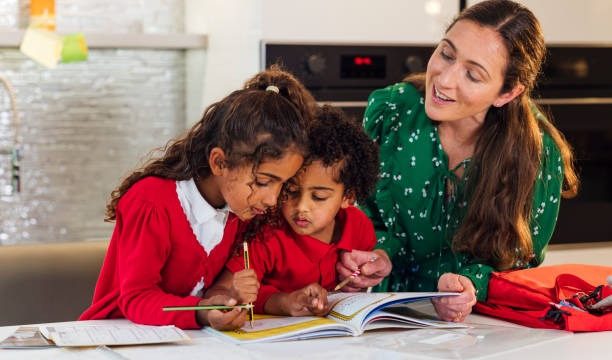
Every child is a bundle of potential, eager to explore and learn. The early years are crucial for cognitive, emotional, and social development. During this time, children are like sponges, soaking up knowledge and experiences from their environment. It is essential to provide them with opportunities that stimulate their minds and encourage them to engage with the world around them. Simple activities such as reading together, engaging in imaginative play, and exploring nature can ignite a lifelong love of learning.
Creating a nurturing environment is key to fostering early skills. This doesn’t necessarily mean filling a child’s schedule with structured activities. Instead, it involves offering a safe space where curiosity is welcomed, and exploration is encouraged. Allowing children to express themselves creatively through art, music, or storytelling not only enhances their cognitive skills but also builds their confidence. When children feel supported in their endeavors, they are more likely to take risks and embrace challenges, laying the groundwork for future success.
A gentle shift toward balance is also vital in this developmental phase. While it’s important for children to engage in various activities, it’s equally crucial to allow them downtime to reflect and recharge. Over-scheduling can lead to stress and burnout, which can be counterproductive. Encouraging children to find joy in simple moments—like watching clouds drift by or enjoying a quiet afternoon with a book—can foster emotional intelligence and resilience. These quiet moments can be just as powerful as structured learning experiences.
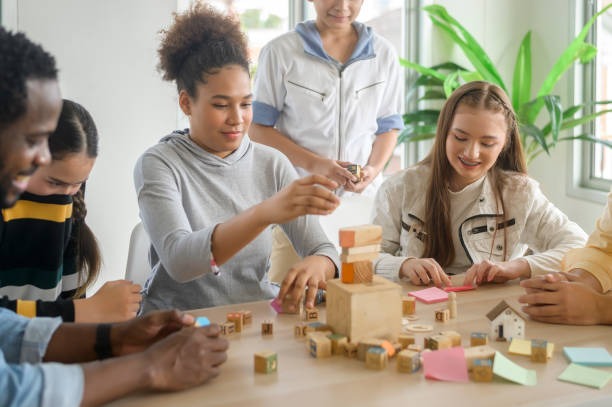
Social skills are another critical component of early development. Interacting with peers helps children learn to share, cooperate, and communicate effectively. Playdates, group activities, and even simple family gatherings provide opportunities for children to practice these skills in a supportive environment. It’s essential to guide children through conflicts and encourage them to express their feelings, helping them develop empathy and understanding for others. These foundational social skills are vital as they transition into school and beyond.
As children grow, their interests and passions may begin to emerge. Encouraging them to pursue these interests can lead to a deeper engagement with learning. Whether it’s exploring science through simple experiments, fostering a love for reading through storytelling, or nurturing a budding talent in sports or music, supporting their passions can instill a sense of purpose and direction. When children see the connection between their interests and their efforts, they are more likely to develop a growth mindset, embracing challenges as opportunities for growth.
The role of play in early development cannot be overstated. Play is not just a fun pastime; it is a powerful teacher. Through play, children learn problem-solving skills, improve their motor skills, and develop social connections. Unstructured playtime allows children to experiment with different roles, scenarios, and ideas. It’s a space where they can explore their creativity and learn to navigate the complexities of relationships. Encouraging free play, both indoors and outdoors, fosters independence and self-discovery, which are essential for lifelong success.
As parents and caregivers, it’s important to model the behaviors we wish to instill in our children. Demonstrating a love for learning, resilience in the face of obstacles, and maintaining a positive attitude can have a profound impact on a child’s development. Children often emulate the adults around them, so showing them how to manage challenges and celebrate successes can reinforce the values of perseverance and optimism.
Additionally, fostering a sense of curiosity and a desire to ask questions is essential for intellectual growth. Encouraging children to wonder “why” and “how” helps them develop critical thinking skills. Rather than providing immediate answers, guiding them to explore and discover on their own can enhance their problem-solving abilities. This approach not only builds confidence but also cultivates a lifelong love of learning.
As we consider the broader picture, it’s important to recognize that success is not solely defined by academic achievements or professional accolades. True success encompasses emotional well-being, strong relationships, and a sense of fulfillment. By focusing on holistic development, we equip children with the skills they need to thrive in all aspects of life. Teaching them to set goals, manage their emotions, and cultivate meaningful connections can lead to a well-rounded and satisfying life.
In conclusion, the journey toward lifelong success begins with the early skills we nurture in our children. By providing a supportive environment, encouraging exploration, and fostering social connections, we lay the groundwork for their future. These early years are a precious time filled with opportunities for growth, and as caregivers, we have the privilege of guiding children as they embark on this exciting adventure. By investing in their development today, we are helping to shape a brighter tomorrow for them and for the world. Each small step we take to nurture their skills and passions can lead to a lifetime of success, joy, and fulfillment.