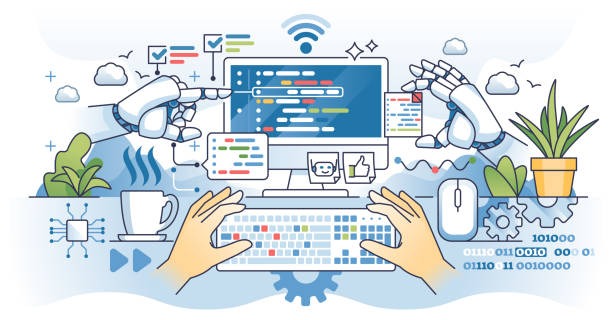
Artificial intelligence (AI) is becoming an increasingly valuable tool for small businesses looking to improve productivity, reduce costs, and provide better customer experiences.
In the past, advanced technology was often available only to large corporations with significant budgets.
Today, affordable AI tools allow businesses of all sizes to automate routine tasks, analyze information more effectively, and focus more time on growth and innovation.
One of the greatest benefits of AI is automating repetitive administrative work. Small business owners often spend hours each week responding to emails, organizing documents, scheduling appointments, and entering data. AI-powered tools can handle many of these routine tasks automatically, allowing owners and employees to concentrate on serving customers and developing their business.
Customer service is another area where AI can improve efficiency. AI-powered chatbots can answer frequently asked questions, provide product information, help customers track orders, and respond to basic inquiries at any time of day. This allows businesses to provide faster support while reducing the workload on customer service staff. Human employees can then focus on more complex situations that require personal attention and problem-solving.
Marketing has also become more efficient with AI assistance. AI can help generate blog articles, social media posts, email newsletters, product descriptions, and advertising ideas. It can also analyze customer behavior to identify which marketing campaigns perform best, helping businesses make more informed decisions about where to invest their marketing budget.
Sales teams can benefit from AI by organizing customer information, tracking sales opportunities, and identifying potential leads. AI tools can analyze customer interactions, recommend follow-up actions, and help prioritize prospects that are most likely to become paying customers. This allows sales professionals to spend more time building relationships and closing deals instead of performing repetitive administrative tasks.
Inventory management is another area where AI provides practical value. AI systems can monitor sales trends, predict future demand, and help businesses maintain appropriate inventory levels. Better inventory planning reduces the risk of running out of popular products while minimizing excess stock that ties up valuable resources.
Financial management also becomes more efficient with AI-powered software. Many accounting platforms can automatically categorize expenses, generate invoices, monitor cash flow, identify unusual transactions, and produce financial reports. These features reduce manual bookkeeping and help business owners gain a clearer understanding of their financial performance.
AI can also support employee productivity. AI-powered meeting assistants summarize discussions, create action items, and organize meeting notes automatically. Writing assistants help employees draft emails, prepare reports, and improve business communications more quickly. Project management tools use AI to organize workloads, prioritize tasks, and remind teams about approaching deadlines.
Data analysis is another important advantage. Small businesses often collect valuable information through sales, customer feedback, website traffic, and marketing campaigns. AI can analyze this data to identify patterns, customer preferences, and opportunities for improvement. These insights support better decision-making without requiring advanced technical expertise.
While AI offers many advantages, it should be viewed as a tool that supports employees rather than replaces them. Human creativity, customer relationships, strategic planning, and ethical decision-making remain essential for business success. AI works best when it handles repetitive tasks while employees focus on work that requires experience, judgment, and personal interaction.
Business owners should also use AI responsibly by protecting customer information, reviewing AI-generated content for accuracy, and understanding the privacy policies of the tools they choose. Maintaining human oversight helps ensure that business decisions remain reliable and trustworthy.
Artificial intelligence is helping small businesses become more productive, organized, and competitive. By automating routine work, improving customer service, supporting marketing, simplifying financial management, and providing valuable business insights, AI allows owners and employees to focus on growth instead of repetitive tasks. When combined with human expertise and thoughtful decision-making, AI becomes a practical partner that helps small businesses operate more efficiently and prepare for long-term success.