In the vibrant world of education, where each student brings unique strengths and challenges to the classroom, the approach of differentiated instruction has emerged as a beacon of hope.
This method recognizes that no two learners are the same, and it invites educators to embrace the diversity of learning styles, interests, and abilities.
By incorporating differentiated instruction, teachers can create a more inclusive and engaging learning environment that nurtures every student’s potential.
Understanding the essence of differentiated instruction begins with the acknowledgment that every student possesses a distinct way of processing information. Some may thrive on visual aids, while others might find auditory explanations more effective. This approach encourages teachers to assess their students’ varied learning preferences and adapt their teaching methods accordingly. The goal is not merely to teach content but to inspire a love for learning and foster a sense of belonging among students.
One of the most beautiful aspects of differentiated instruction is its flexibility. Teachers are not bound by a one-size-fits-all curriculum; instead, they can tailor lessons to meet the specific needs of their students. This might mean providing different reading materials based on students’ reading levels or offering various project options that allow learners to express their understanding in ways that resonate with them. Such adaptability can transform a traditional classroom into a dynamic space where students feel empowered to take charge of their learning journeys.
Creating an atmosphere of choice is fundamental to differentiated instruction. When students have a say in how they learn, they become more invested in the process. For instance, a teacher might present a topic through various mediums—such as videos, hands-on activities, or group discussions—allowing students to select the method that excites them most. This not only enhances engagement but also cultivates critical thinking and decision-making skills, which are invaluable in today’s world.
Incorporating varied assessments is another key component of differentiated instruction. Traditional tests may not accurately reflect a student’s understanding or capabilities. Instead, educators can employ diverse assessment strategies, such as portfolios, presentations, or peer reviews, to gauge student learning more holistically. By doing so, teachers can celebrate each student’s achievements, no matter how big or small, and provide constructive feedback that encourages growth.
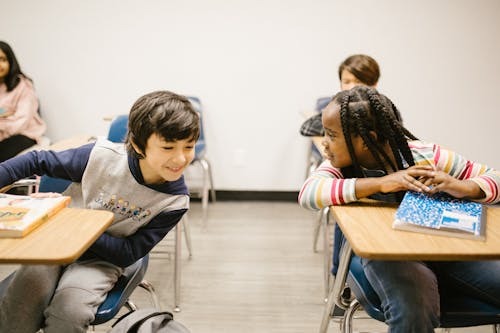
A small shift toward balance can also be achieved through collaborative learning opportunities. Group activities that pair students with diverse abilities can foster a sense of community and support among peers. When students work together, they learn from one another, share perspectives, and develop empathy. This social interaction not only reinforces academic concepts but also builds essential life skills, such as communication and teamwork, which are crucial for future success.
Furthermore, the role of the educator in a differentiated classroom is that of a facilitator rather than a traditional lecturer. Teachers can guide students through their learning experiences, offering support and encouragement while allowing them to explore concepts independently. This shift encourages students to take ownership of their education, fostering a sense of responsibility and self-motivation.
The emotional dimension of learning cannot be understated. Differentiated instruction acknowledges the importance of social-emotional learning (SEL) in the classroom. By creating a supportive environment where students feel safe to express their thoughts and feelings, educators can help students develop resilience and coping strategies. This focus on emotional well-being contributes significantly to academic success, as students who feel valued and understood are more likely to engage with the material and strive for excellence.
It’s also essential to recognize the role of technology in facilitating differentiated instruction. Digital tools can provide personalized learning experiences that cater to individual needs. For instance, educational apps and online platforms can offer adaptive learning paths, allowing students to progress at their own pace. This technological integration not only enriches the learning experience but also prepares students for a future where digital literacy is paramount.
As we navigate the complexities of differentiated instruction, it’s vital to remember that this approach is not about diluting academic standards. Instead, it is about elevating the teaching practice to meet each student where they are. By challenging students appropriately, educators can push them toward higher levels of understanding and achievement. This balance of support and challenge creates an environment where every learner can thrive.
The journey toward implementing differentiated instruction may come with its challenges. Teachers may need to invest time in planning and adapting lessons, and they may encounter resistance from students who are accustomed to traditional methods. However, the rewards of fostering an inclusive classroom far outweigh the initial hurdles. As students begin to engage more deeply and take pride in their learning, the classroom transforms into a vibrant community of curious minds.
In conclusion, differentiated instruction is more than just a teaching strategy; it’s a philosophy that honors the uniqueness of every student. By embracing this approach, educators can create a rich tapestry of learning experiences that not only elevate classroom teaching but also empower students to become lifelong learners. In a world that is increasingly diverse and interconnected, the ability to adapt and respond to individual needs is a skill that will serve students well beyond the classroom walls. As we continue to explore innovative teaching practices, let us remember the profound impact that understanding and compassion can have in shaping the future of education.