In the ever-evolving landscape of education, the shift towards student-centered classrooms is a refreshing and necessary change.
These environments prioritize the needs, interests, and learning styles of students, allowing them to take more responsibility for their own learning journey.
This transformation calls for innovative teaching materials that not only engage students but also empower them to explore and create in meaningful ways.
Embracing the concept of student-centered learning can feel like embarking on a delightful adventure. Instead of a one-size-fits-all approach, this philosophy encourages educators to cultivate an atmosphere where students are active participants in their education. This shift can be exhilarating, but it also requires thoughtful consideration of the materials we use in our classrooms.
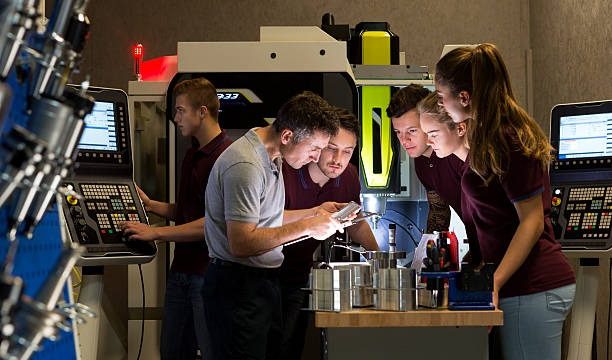
One of the most effective ways to foster a student-centered environment is through the use of versatile teaching materials. These resources should not only align with curriculum goals but also inspire curiosity and creativity. Consider incorporating hands-on materials that invite exploration. For example, science kits that allow students to conduct experiments can transform a traditional lesson into an engaging inquiry. When students can manipulate materials and see the results of their actions, they develop a deeper understanding of concepts.
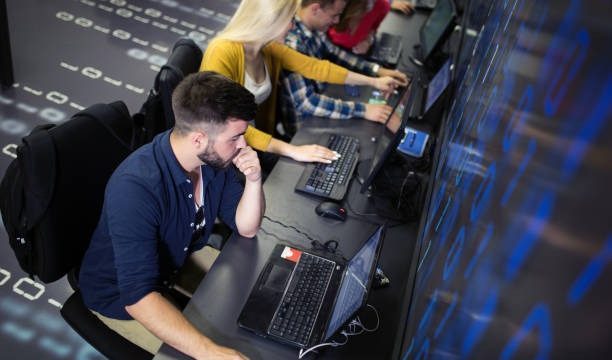
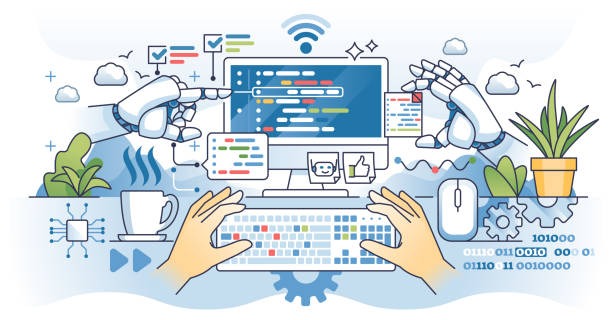
In addition to physical materials, the integration of technology can enhance student engagement. Interactive software and online platforms provide opportunities for personalized learning experiences. Students can work at their own pace, exploring topics that spark their interest and diving deeper into areas where they seek more understanding. Utilizing technology in this way encourages students to take ownership of their learning, making it a more fulfilling experience.
A gentle shift toward collaboration can also enrich the student-centered approach. By providing materials that encourage group work, students can learn from one another in a supportive environment. Cooperative learning activities, such as project-based tasks or peer teaching opportunities, not only foster teamwork but also allow students to express their individual strengths. When students collaborate, they gain valuable social skills and develop a sense of community within the classroom.
Consider the power of choice in the materials you provide. Offering a range of resources allows students to select what resonates with them. This could mean providing various books on a topic, different art supplies for a creative project, or even choices in how they demonstrate their understanding of a subject. When students feel they have a say in their learning, they are more likely to be motivated and engaged.
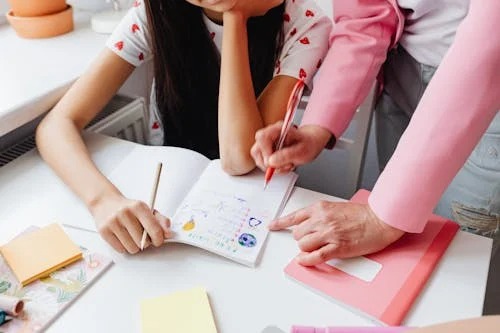
Equally important is the role of reflective practices in a student-centered classroom. Teaching materials that encourage students to think critically about their learning journey can deepen their understanding and help them develop self-regulation skills. Journals or digital portfolios where students can reflect on their progress, set goals, and evaluate their work can be invaluable. These reflective tools not only promote metacognition but also empower students to take an active role in their educational process.
Creating a rich tapestry of teaching materials can also include integrating real-world connections. When students can relate what they are learning to their everyday lives, the material becomes more relevant and engaging. Incorporating community resources, like local libraries, museums, or even guest speakers, can provide students with a broader perspective and inspire them to think critically about the world around them.
The physical layout of the classroom can also play a significant role in supporting a student-centered approach. Flexible seating arrangements that allow for movement and collaboration can enhance learning experiences. By creating spaces where students can gather, work together, or even find a quiet nook for independent study, you’re fostering an environment that values both collaboration and individual reflection.
As educators, it’s essential to remain open to ongoing learning and adaptation. The journey toward a fully student-centered classroom is not a destination but a continuous process. Engaging with fellow educators, attending workshops, and seeking out new resources can provide fresh insights and ideas for enhancing your teaching materials. This spirit of collaboration among educators can ripple through the entire learning community, creating a vibrant culture of shared knowledge and support.
In this dynamic landscape, let’s not overlook the importance of emotional and social learning materials. Teaching materials that promote empathy, resilience, and communication skills are vital in nurturing well-rounded individuals. Incorporating stories, role-playing activities, or discussions about emotional intelligence can help students develop essential life skills that extend beyond the classroom.
Ultimately, the goal of a student-centered classroom is to create a nurturing space where students feel valued and empowered to explore their interests. The materials we choose and the way we present them play a significant role in this process. By embracing a variety of teaching materials that encourage exploration, collaboration, and reflection, we can foster an environment that not only supports academic growth but also nurtures the whole child.
As we continue to navigate the world of education, let’s celebrate the beauty of student-centered learning. Each small step we take toward providing engaging and empowering materials can have a profound impact on our students’ lives. By cultivating a classroom environment that prioritizes their needs and interests, we are not just teaching subjects; we are inspiring future thinkers, creators, and leaders.
In this journey, let’s remain committed to nurturing curiosity, creativity, and a love for learning in every student. After all, education is not just about imparting knowledge; it is about fostering a lifelong passion for exploration and growth.