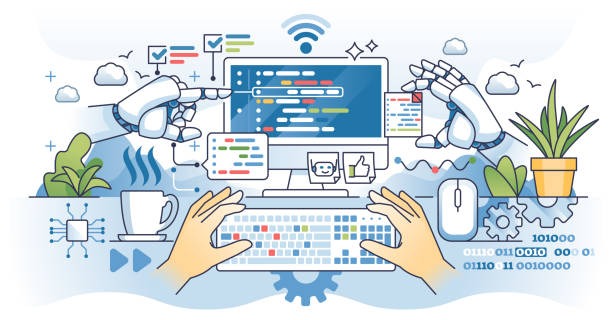
The role of computer science in entertainment is an ever-evolving narrative that intertwines creativity with technology.
In today’s world, where digital experiences are increasingly woven into the fabric of our daily lives, the influence of computer science is profound and far-reaching.
From gaming to film production, the innovations driven by computer science have transformed how we consume and create entertainment.
As we step into this fascinating realm, it’s important to recognize how computer science not only enhances our experiences but also reshapes the very nature of storytelling and artistic expression. It’s a gentle dance between human creativity and technological advancement, creating a tapestry of possibilities that enrich our lives.
A glimpse into the digital canvas
Imagine a world where stories come to life before your eyes, where characters leap off the screen with a vibrancy that feels almost tangible. This is the magic of computer-generated imagery, or CGI, a technique rooted deeply in computer science. In films, CGI allows filmmakers to create stunning visuals that transport audiences to fantastical realms. The landscapes of Middle-earth, the depths of the ocean in “Finding Nemo,” or the intricate cities of “Blade Runner” are all products of this remarkable technology.
Behind the scenes, computer scientists and artists collaborate to develop software that can simulate physics, animate characters, and generate breathtaking environments. The process is as much about artistry as it is about algorithms, showcasing the seamless blend of creativity and technical skill. This synergy not only enhances the viewing experience but also opens doors for new forms of storytelling, where the limits of imagination are continually pushed.
The heartbeat of gaming
Gaming is another realm where computer science plays a pivotal role. The industry has exploded in recent years, evolving from simple pixelated graphics to immersive virtual worlds that captivate players of all ages. At the core of this evolution is the work of computer scientists who design complex algorithms, develop artificial intelligence, and create intricate game engines that power these experiences.
In the world of gaming, players are not just passive observers; they become active participants in a narrative that unfolds based on their choices. This interactivity allows for a level of engagement that traditional forms of entertainment cannot match. The emotional highs and lows experienced during gameplay are a testament to the power of storytelling, enhanced by the precision of computer science.
As we delve deeper into this universe, we find that computer science is not just about coding; it’s about understanding human behavior, crafting experiences that resonate emotionally, and creating communities around shared adventures. The friendships formed in online games and the shared experiences of triumph and defeat speak to a fundamental human desire for connection.
A small shift toward balance
While technology certainly enhances entertainment, it’s also essential to consider the balance between digital engagement and our well-being. As we immerse ourselves in virtual worlds, we must remember the importance of moderation. The rise of mobile gaming and streaming services has made entertainment more accessible than ever, but it also poses challenges. It’s easy to lose track of time and become overly absorbed in screens.
Finding a balance is key. Embracing technology as a tool for enjoyment rather than a substitute for real-life experiences can lead to a healthier relationship with entertainment. It’s perfectly fine to indulge in a gripping series or a thrilling game, but stepping outside for fresh air, engaging in face-to-face conversations, or pursuing hobbies can enrich our lives in meaningful ways.
The future of entertainment
Looking ahead, the future of entertainment is brimming with possibilities, thanks in large part to advancements in computer science. Technologies such as virtual reality (VR) and augmented reality (AR) are set to redefine how we experience stories. Imagine stepping into a scene from your favorite movie or playing a game where the boundaries between the digital and physical worlds blur. These innovations promise to create experiences that are not only visually stunning but also deeply immersive.
Moreover, artificial intelligence is beginning to play a significant role in content creation. From writing scripts to composing music, AI tools can assist artists in exploring new ideas and pushing creative boundaries. This collaboration between human creativity and machine learning is a fascinating frontier that will undoubtedly shape the future of entertainment.
As we navigate this landscape, it’s vital to remain mindful of the ethical implications of these technologies. The power to create and manipulate digital content comes with responsibilities. Ensuring that these advancements are used to foster inclusivity, diversity, and positive narratives will be crucial in shaping a future that benefits everyone.
A harmonious blend of art and science
At its core, the relationship between computer science and entertainment is a harmonious blend of art and science. It’s a reminder that creativity knows no bounds and that technology can serve as a catalyst for artistic expression. As we continue to explore this vibrant intersection, we are constantly reminded of the power of storytelling—how it connects us, inspires us, and ultimately reflects our shared human experience.
In this journey through the world of entertainment, we find that computer science is not just a tool; it’s a partner in creativity. Whether we are watching a film, playing a game, or engaging with interactive storytelling, we are witnessing the beautiful symbiosis of technology and imagination. And as we move forward, embracing both the joys of digital innovation and the richness of our human connections, we can look forward to a future where entertainment continues to uplift, inspire, and bring us together.