Understanding Coordinates for Young Learners
In a world filled with wonder and exploration, understanding coordinates can be a delightful adventure for young learners.
Imagine embarking on a treasure hunt, where the map is filled with mysterious symbols and numbers guiding you toward hidden treasures.
This is the essence of coordinates, a simple yet fascinating concept that opens up a world of possibilities.
At its core, coordinates are a way to pinpoint a specific location on a map or in a space. Just like how you might describe the position of your favorite tree in a park or the spot where your best friend lives, coordinates help us communicate where things are in a clear and organized manner. It’s like having a special language that helps us navigate our surroundings.
To introduce this concept to young minds, it can be helpful to relate it to their everyday experiences. Consider the familiar environment of a playground. Picture a large rectangular area filled with swings, slides, and climbing frames. If we think of the playground as a grid, we can divide it into sections, much like a chessboard. Each section can have its own unique address, or coordinates, making it easier for children to find their favorite play spots. For instance, the swing set could be located at point (2, 3) on this imaginary grid, while the slide might be at (5, 1). This playful approach to coordinates makes learning feel like an exciting game.
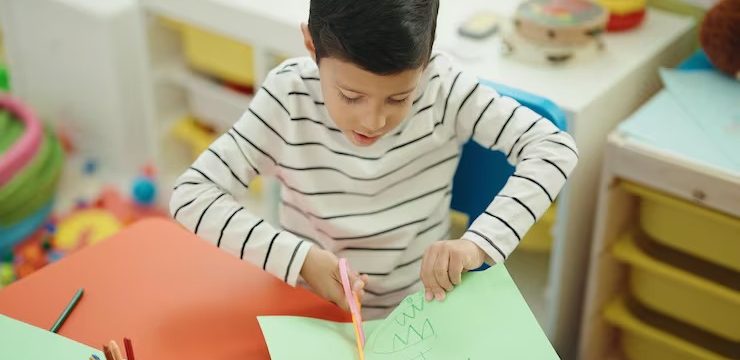
As children begin to grasp the idea of coordinates, they can explore various ways to visualize them. Drawing a simple grid on paper is a fantastic starting point. Using a pencil and ruler, they can create squares, labeling the horizontal lines with numbers and the vertical lines with letters. This grid becomes a canvas for their imagination, where they can plot points and even create their own little maps. Whether it’s a treasure map leading to a hidden pirate’s chest or a map of their dream house, young learners can express their creativity while learning about coordinates.
Incorporating storytelling can also enhance their understanding. Imagine a tale where a brave explorer sets out on a journey to find a lost city. The explorer uses coordinates to navigate through mountains, rivers, and forests. As the story unfolds, children can follow along on their own maps, marking the coordinates where the explorer encounters challenges or discovers new friends. This narrative approach makes the concept of coordinates more relatable and engaging, encouraging children to connect with the material on a deeper level.
Another gentle way to introduce coordinates is through movement. Organizing a fun outdoor activity, like a scavenger hunt, allows children to physically interact with the concept. You can create a simple map of your backyard or a nearby park, marking different locations with coordinates. As children search for hidden objects based on these coordinates, they’ll develop a tangible sense of direction and spatial awareness. This hands-on experience not only reinforces their understanding of coordinates but also encourages teamwork and problem-solving.
As children become more comfortable with the basics, it’s wonderful to introduce them to the idea of latitude and longitude. These terms may sound complex, but they can be simplified. Latitude refers to the imaginary lines that run horizontally around the Earth, while longitude refers to the lines that run vertically. Together, they create a global grid system that helps us identify any location on our planet. You might explain that just like how they can find their way in a park, they can also find their way in the world using these coordinates. A globe or map can be a great visual aid, helping them see how these lines wrap around the Earth.
It’s essential to remember that learning should be a joyful experience. Encouraging curiosity and exploration can lead to a natural understanding of coordinates without overwhelming young learners. Celebrating their small victories, whether they successfully locate a point on a map or draw their own grid, fosters a sense of accomplishment and motivates them to keep exploring.
As we guide children through their journey of understanding coordinates, it’s also important to nurture their ability to ask questions. Encouraging them to wonder about the world around them—like how far away their favorite beach is from home or what coordinates they would use to find a distant mountain—can spark their imaginations and deepen their understanding of space and distance.
In a world that often feels fast-paced and chaotic, taking the time to explore concepts like coordinates invites young learners to slow down and observe their surroundings. It encourages them to think critically about where they are and where they want to go. This practice not only builds foundational math skills but also fosters a sense of mindfulness and appreciation for the world.
As we conclude our exploration of coordinates, it’s important to celebrate the journey rather than just the destination. Learning about coordinates is not just about numbers and lines; it’s about connecting with our environment and discovering the beauty of navigation. Whether through playful maps, storytelling, or outdoor adventures, the world of coordinates holds endless opportunities for curiosity and growth.
In nurturing a love for learning in young hearts, we empower the next generation to explore, dream, and navigate their way through life. Understanding coordinates is just the beginning of a lifelong adventure filled with wonder, exploration, and the joy of discovery. Just like a treasure map leading to hidden gems, the journey of learning is filled with surprises waiting to be uncovered. So, let’s encourage our young explorers to embrace the magic of coordinates and set sail on their next great adventure.