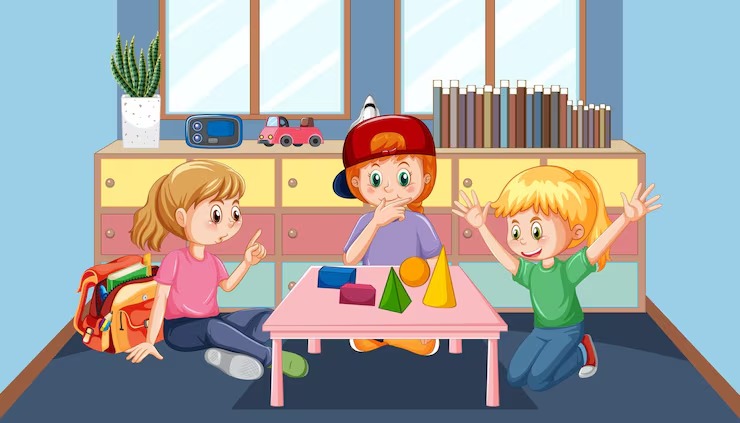
Exploring Similarity in Shapes
In our daily lives, we often encounter a vast array of shapes, each one unique yet often sharing similarities with others.
From the rounded edges of a pebble to the sharp angles of a skyscraper, shapes are more than just visual elements; they evoke feelings, memories, and connections.
Exploring the concept of similarity in shapes can lead us to a deeper understanding of the world around us, enriching our appreciation for both nature and human creativity.
When we think of shapes, we typically imagine geometric figures: circles, squares, triangles, and more. Each of these shapes has its own properties, dimensions, and characteristics. Yet, the beauty lies in how these shapes can resemble one another, sometimes in surprising ways. For instance, consider the circle and the ellipse. While a circle maintains a constant radius, an ellipse stretches and compresses in a harmonious dance, yet both share a graceful quality that captivates the eye. This intrinsic connection between shapes invites us to see beyond mere appearances.
A small shift toward balance can be found in the way shapes interact with one another. Think of the way a triangle can fit perfectly within a circle, or how a square can be divided into smaller squares, each maintaining the essence of the original shape. This exploration of similarity carries a metaphorical weight as well; it reflects the balance we seek in our lives. Just as shapes can align and complement each other, we too find comfort in relationships and experiences that resonate with our core values.
Nature is perhaps the most profound teacher when it comes to exploring similarity in shapes. The intricate patterns found in leaves, flowers, and shells reveal a stunning array of shapes that connect us to the natural world. The Fibonacci sequence, for example, illustrates how spirals and curves can be found in everything from sunflowers to seashells. This mathematical relationship highlights the beauty of similarity and the underlying order that exists within chaos. When we take a moment to appreciate these natural forms, we cultivate a sense of peace and connectedness to the universe.
Art, too, plays a significant role in our understanding of shapes. Artists often draw inspiration from the world around them, creating works that highlight the similarities between shapes in unexpected ways. Consider the way an artist might use circles to represent unity or the way angular shapes can convey tension and energy. Through their work, artists invite us to reflect on the relationships between different forms, prompting us to find meaning in the connections we might have overlooked.
In architecture, similarity in shapes can evoke feelings of familiarity and comfort. Many buildings are designed with elements that mirror one another, creating a sense of harmony. Think of the way a series of arches can lead your eye along a path, or how the repetition of windows can create a rhythmic flow. This intentional design not only enhances the aesthetic appeal but also fosters a sense of belonging. When we step into a space that feels familiar, it can evoke memories and emotions, reminding us of the places we’ve been and the experiences that have shaped us.
Exploring the similarity in shapes can also extend into our personal lives. Just as different shapes can complement one another, so too can our relationships. We often find ourselves drawn to people who share our values, interests, or experiences. This similarity fosters connections that can be profoundly enriching. Whether it’s a friendship that feels instantly comfortable or a partnership that seems to click into place, these relationships remind us of the beauty of shared experiences.
The act of creating can be a powerful way to explore similarity in shapes. Engaging in activities like drawing, painting, or crafting allows us to experiment with various forms, leading to discoveries that can be both surprising and fulfilling. As we play with shapes, we might find that certain forms resonate with us on a deeper level, reflecting aspects of our personality or emotions. This creative exploration not only enhances our understanding of shapes but also serves as a form of self-expression that can be incredibly liberating.
As we navigate our lives, it’s essential to remember that exploring similarity in shapes is not solely an intellectual exercise; it’s a journey of discovery that can enrich our emotional and spiritual well-being. By taking the time to appreciate the similarities around us—whether in nature, art, architecture, or relationships—we cultivate a sense of mindfulness that can lead to greater contentment.
In a world that often feels chaotic and disconnected, embracing the beauty of similarity can provide a sense of stability. It reminds us that, despite our differences, we are all part of a larger tapestry, woven together by shared experiences and connections. This understanding can inspire us to foster relationships that celebrate our similarities while also honoring our unique differences.
Ultimately, exploring similarity in shapes invites us to slow down and observe the world with curiosity and wonder. As we engage with the shapes around us, we may find ourselves more attuned to the beauty of life’s patterns, fostering a sense of peace and belonging. By embracing this exploration, we open ourselves to new perspectives and deeper connections, enriching our lives in ways we may not have anticipated.
So, the next time you find yourself admiring a beautiful shape—be it in nature, art, or even a simple everyday object—take a moment to reflect on its similarities with other forms. Allow this exploration to inspire you, to connect you with the world, and to remind you of the intricate beauty that lies in our shared experiences.