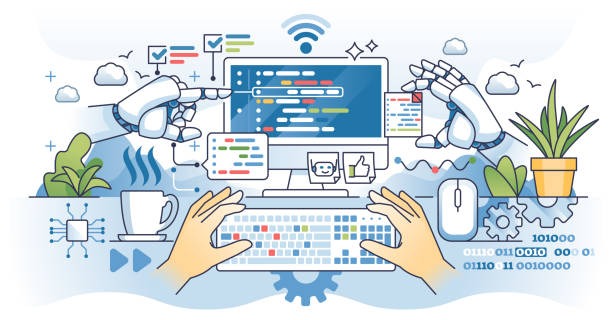
In recent years, the conversation around education has taken a fascinating turn, with technology stepping into the spotlight as a catalyst for innovation.
Among the most intriguing developments is the integration of artificial intelligence into classroom activities.
This shift not only enhances the learning experience but also fosters creativity, engagement, and personalized education.
As educators and students alike embrace these advancements, it’s worth exploring how AI can transform classroom activities into vibrant, interactive experiences.
A gentle introduction to AI in education
Artificial intelligence, once a concept confined to science fiction, is now a tangible aspect of our daily lives. From smart assistants that help manage our schedules to algorithms that recommend our next favorite book or movie, AI has woven itself seamlessly into the fabric of modern existence. In the realm of education, this technology offers exciting possibilities that can enrich the classroom environment.
Imagine a classroom where lessons are tailored to each student’s unique learning style and pace. AI tools can analyze individual performance data, helping educators understand where students excel and where they may need additional support. This personalized approach not only nurtures a sense of belonging but also promotes a deeper understanding of the material.
Enhancing creativity through AI
One of the most beautiful aspects of education is its ability to spark creativity. AI can serve as a partner in this endeavor, providing students with tools that inspire imaginative thinking. For instance, consider using AI-powered platforms that generate creative writing prompts or art ideas. These platforms can encourage students to explore their thoughts and feelings in new ways, ultimately leading to richer expressions of their creativity.
Moreover, AI-driven applications can facilitate collaborative projects among students, allowing them to work together in real-time, regardless of their physical location. This not only builds teamwork skills but also exposes students to diverse perspectives, enriching their learning experience. When students collaborate through AI-enhanced platforms, they learn to appreciate each other’s strengths and ideas, fostering an inclusive classroom culture.
Fostering engagement with interactive learning
Engagement is a crucial component of effective learning. When students are actively involved in their education, they are more likely to retain information and develop a love for learning. AI can enhance engagement through interactive learning experiences that captivate students’ attention and make lessons more dynamic.
Consider incorporating AI-driven simulations and games into the curriculum. These tools can transform traditional learning into an interactive adventure, where students can experiment, solve problems, and learn from their mistakes in a safe environment. Whether it’s a virtual science lab or a history simulation, these experiences can make complex subjects more accessible and enjoyable.
Additionally, AI can help educators create quizzes and activities that adapt to students’ knowledge levels. By providing immediate feedback, students can identify areas for improvement while feeling supported in their learning journey. This kind of tailored engagement keeps students motivated and eager to participate.
Nurturing critical thinking skills
In a world that is increasingly driven by technology, critical thinking is an essential skill for students to develop. AI can play a key role in fostering this skill by presenting students with real-world scenarios and challenges that require thoughtful analysis and problem-solving.
For instance, using AI tools that simulate economic or environmental issues can provide students with opportunities to explore the consequences of various decisions. By analyzing data and considering multiple perspectives, students learn to think critically and make informed decisions. This hands-on approach not only prepares them for future challenges but also instills a sense of responsibility toward their communities and the world.
Building a supportive learning environment
Creating a supportive and inclusive learning environment is essential for student success. AI can assist educators in identifying students who may be struggling, allowing for timely interventions. With the help of analytics, teachers can gain insights into student performance and engagement levels, enabling them to offer personalized support when needed.
Furthermore, AI can also help in addressing diverse learning needs. For students with disabilities, AI-driven tools can provide tailored resources that cater to their specific requirements. This commitment to inclusivity ensures that every student has the opportunity to thrive in the classroom.
A small shift toward balance
While the integration of AI in the classroom offers numerous benefits, it’s important to approach this technology with a balanced perspective. Emphasizing human connection and empathy is vital in education. While AI can enhance learning, it should complement, not replace, the invaluable interactions between educators and students.
Educators play a crucial role in guiding students through their learning experiences. The warmth, understanding, and encouragement that teachers provide cannot be replicated by technology. As we embrace AI in education, it’s essential to maintain a focus on building relationships and fostering a sense of community within the classroom.
Looking ahead to a brighter future
As we stand at the intersection of education and technology, the potential for AI to innovate classroom activities is both exciting and promising. By embracing these advancements, educators can create enriching, personalized, and engaging experiences that inspire students to reach their full potential.
In this evolving landscape, it’s essential for educators, students, and parents to collaborate and share their insights on how AI can best serve the learning environment. Together, we can cultivate a generation of critical thinkers, creative problem-solvers, and compassionate individuals who are well-equipped to navigate the complexities of the world.
In summary, the integration of AI into classroom activities has the power to transform education in meaningful ways. By enhancing creativity, fostering engagement, nurturing critical thinking, and building supportive environments, we can create a vibrant educational landscape that prepares students for a bright future. As we move forward, let us embrace these innovations while cherishing the human connections that lie at the heart of learning.