In recent years, the landscape of education has undergone a remarkable transformation, largely driven by advancements in technology.
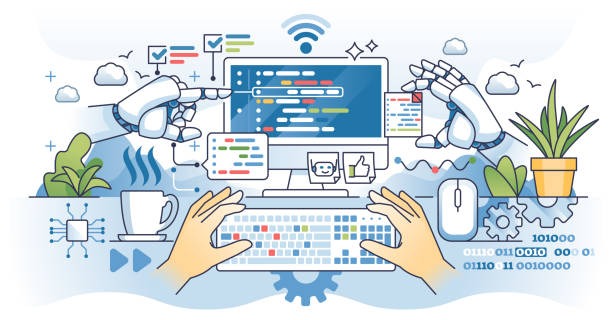
Among these innovations, artificial intelligence (AI) stands out as a powerful tool that offers a myriad of opportunities for enhancing learning experiences.
As we delve into the world of AI in education, we find ourselves on the brink of a new era where personalized learning, efficiency, and accessibility are reshaping the way students, educators, and institutions interact.
A gentle shift toward personalization
One of the most exciting prospects of AI in education is its ability to tailor learning experiences to individual needs. Traditional education often adopts a one-size-fits-all approach, which can leave many students feeling disengaged or overwhelmed. AI, however, allows for a more personalized approach by analyzing a student’s learning style, pace, and strengths. Imagine a classroom where each student has access to resources and support that cater specifically to their learning preferences. This is not just a dream; it is a growing reality.
Through adaptive learning technologies, AI can adjust the difficulty of tasks in real time, ensuring that students remain challenged yet not discouraged. For instance, a student struggling with a particular math concept might receive additional practice problems designed to build their confidence, while another student ready for a challenge can be given more complex scenarios to tackle. This dynamic approach fosters a more engaging and effective learning environment, nurturing a love for learning and encouraging students to reach their full potential.
Enhancing educator effectiveness
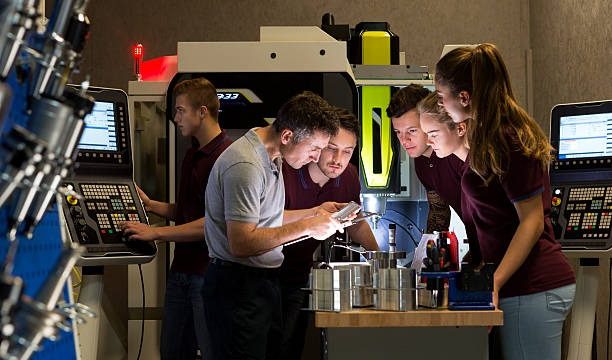
While AI is often discussed in the context of student learning, it also presents significant opportunities for educators. Teaching is a demanding profession, and many educators juggle multiple responsibilities that can detract from their core mission: inspiring and guiding students. AI can alleviate some of this pressure by automating administrative tasks such as grading, attendance tracking, and scheduling. This not only frees up valuable time but also allows teachers to focus on what they do best—connecting with their students.
In addition, AI can serve as a powerful resource for professional development. Through data analytics, educators can gain insights into their teaching practices and identify areas for improvement. Personalized feedback and recommendations can help them refine their methods, ultimately enhancing the learning experience for their students. This collaborative relationship between AI and educators fosters a culture of continuous improvement, ensuring that teaching evolves alongside the needs of students.
Fostering inclusivity and accessibility
Another significant benefit of AI in education lies in its potential to foster inclusivity and accessibility. Education should be a space where every individual has the opportunity to thrive, regardless of their background or abilities. AI can play a pivotal role in breaking down barriers that have historically hindered access to quality education.
For students with disabilities, AI-powered tools can offer tailored support that meets their unique needs. Speech recognition software, for example, enables students with writing difficulties to express their thoughts verbally, while AI-driven language translation tools can bridge the communication gap for non-native speakers. By embracing these technologies, educational institutions can create a more equitable environment that empowers all students to succeed.
A glimpse into the future
As we look to the future, the possibilities for AI in education seem boundless. Imagine virtual tutors that are available 24/7, providing support whenever students need it most. Picture immersive learning experiences powered by AI, where students can explore historical events or scientific concepts through virtual reality. The integration of AI into education opens doors to innovative teaching methods that can spark curiosity and creativity in learners of all ages.
Moreover, as AI technology continues to evolve, it holds the promise of fostering collaboration among students and educators across the globe. Imagine classrooms that connect with peers in different countries, allowing for shared projects and cultural exchanges. This interconnectedness not only enriches the educational experience but also prepares students for a world that values diversity and collaboration.
Navigating challenges with care
While the opportunities presented by AI in education are exciting, it is essential to approach this innovation with mindfulness. As with any technological advancement, there are challenges to consider, particularly regarding data privacy and security. Ensuring that student information is protected must remain a top priority as institutions adopt AI tools.
Additionally, the role of the educator must not be overshadowed by technology. While AI can enhance learning experiences, it should complement, not replace, the human connection that is vital in education. The relationship between teachers and students is irreplaceable, and maintaining this bond is crucial for fostering a supportive and nurturing environment.
Finding balance in a tech-driven world
Incorporating AI into education is not about abandoning traditional methods but rather finding harmony between technology and human interaction. It is about embracing innovation while cherishing the core values of empathy, understanding, and community. As we navigate this evolving landscape, it is essential to keep the focus on what truly matters—the holistic development of students as they embark on their educational journeys.
As AI continues to influence education, we stand at the threshold of a new chapter that is rich with potential. By embracing the opportunities it offers, we can create a more inclusive, personalized, and engaging learning environment for all. The future of education is bright, and with the right balance of technology and human connection, we can nurture the next generation of thinkers, creators, and leaders.