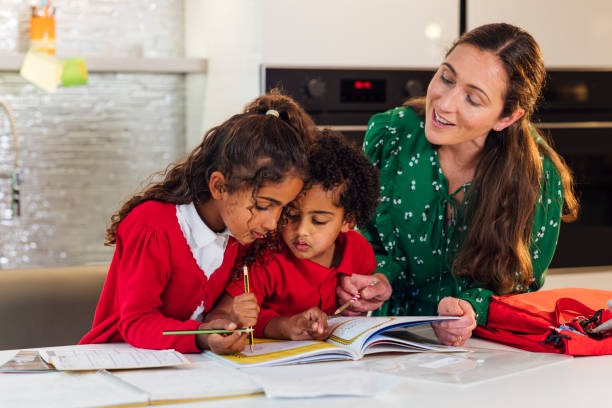
Creating Confident Learners Through Strong Foundations
In a world that constantly evolves, the importance of nurturing confident learners cannot be overstated.
Building a strong educational foundation is essential, not just for academic achievement, but for fostering resilience and a love for lifelong learning.
When children feel secure in their abilities, they are more likely to explore, question, and engage with the world around them.
This process begins at an early age and can be cultivated through thoughtful approaches that support their growth.
At the heart of developing confident learners is the understanding that every child is unique. Their interests, strengths, and challenges shape the way they learn. Recognizing this individuality allows caregivers and educators to create environments that feel safe and supportive. A child who knows their voice is heard and valued is more likely to express themselves freely, ask questions, and embrace new challenges.
Creating a nurturing atmosphere is a gentle yet powerful way to lay the groundwork for confidence. This can be accomplished through simple interactions such as active listening and encouraging open dialogue. When children feel comfortable sharing their thoughts, they are more inclined to take risks in their learning. This might mean trying out a new skill, delving into a challenging book, or even participating in group discussions.
Engaging in play is another fundamental aspect of building confidence. Through play, children explore their environment and learn to navigate social dynamics. Whether they are building with blocks, playing pretend, or working through a puzzle, they are honing critical thinking skills and creativity. Caregivers can enhance this experience by joining in, providing guidance, and celebrating their efforts. This not only fosters a sense of accomplishment but also strengthens the bond between adult and child, reinforcing that learning is a shared journey.
A small shift toward balance can have a profound impact on a child’s learning experience. While structure and routine are important, allowing for flexibility can encourage exploration and curiosity. Children thrive when given the opportunity to pursue their interests, whether that be through art, science, or nature. By integrating these passions into their learning, they not only build confidence in their abilities but also develop a deeper connection to the material.
Encouraging a growth mindset is another vital component of fostering self-assured learners. This approach emphasizes the belief that abilities can be developed through dedication and hard work. When children understand that challenges are part of the learning process, they are more likely to embrace obstacles rather than shy away from them. Sharing stories of perseverance, whether from personal experiences or inspiring figures, can help instill this mindset. It teaches children that mistakes are not failures but stepping stones toward mastery.
As children grow, collaboration becomes an essential aspect of their learning journey. Working with peers allows them to develop social skills and learn from one another. Group projects, discussions, and team activities encourage communication and respect for diverse perspectives. When children see the value in teamwork and understand that everyone has something to contribute, they build confidence not only in their own abilities but also in their capacity to work effectively with others.
Creating opportunities for self-reflection can also enhance a child’s learning experience. Encouraging them to think about what they have learned, what strategies worked best, and where they might improve fosters a sense of ownership over their education. Journaling, art projects, or simply having a conversation about their experiences can serve as tools for reflection. This practice not only helps to reinforce their learning but also enables them to set goals and take charge of their educational journey.
The role of caregivers and educators in this process cannot be understated. By modeling confidence and a passion for learning, adults set the tone for children. Sharing personal experiences of overcoming challenges and celebrating successes, no matter how small, can inspire children to adopt a similar attitude. When they see adults valuing learning as a lifelong pursuit, it reinforces the idea that education is an ongoing journey filled with possibilities.
Moreover, recognizing and celebrating achievements, both big and small, is crucial. Acknowledgment can come in many forms, from verbal praise to simple gestures of encouragement. This reinforcement helps children associate hard work and persistence with positive outcomes, further solidifying their confidence.
As we consider the broader picture, it’s important to remember that education happens both inside and outside the classroom. Family outings, community events, and cultural experiences all contribute to a child’s learning. Exposure to diverse environments and ideas enriches their understanding of the world and builds their confidence in navigating various situations.
In nurturing confident learners, we are not just preparing them for academic success but equipping them with the skills to face life’s challenges. The foundations we lay today will support their growth into resilient, curious, and self-assured individuals. It’s a beautiful journey—one filled with exploration, discovery, and connection.
In conclusion, creating confident learners starts with a strong foundation built on understanding, support, and encouragement. By fostering an environment that values individuality, promotes a growth mindset, and embraces collaboration, we empower children to become enthusiastic learners. As they navigate their educational paths, let us celebrate their unique journeys and guide them toward a future full of possibilities. After all, confident learners are not just successful students; they are the innovators, leaders, and changemakers of tomorrow.