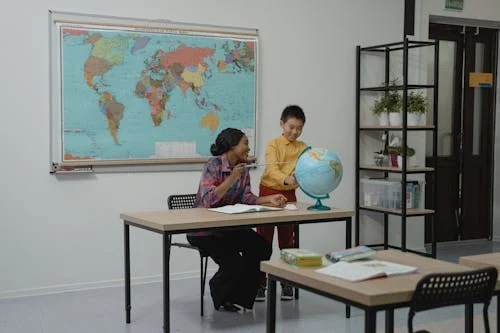
In the ever-evolving landscape of education, teachers are increasingly recognizing the importance of catering to the diverse needs of their students.
Differentiated instruction emerges as a powerful tool, allowing educators to create a rich, inclusive environment where every learner can thrive.
This approach not only enhances the learning experience but also fosters a sense of belonging and motivation among students.
Understanding Differentiated Instruction
At its core, differentiated instruction is about acknowledging that students come to the classroom with varying backgrounds, interests, and abilities. This awareness encourages teachers to tailor their teaching strategies to meet the individual needs of each student. Rather than adopting a one-size-fits-all approach, differentiated instruction allows for flexibility and creativity in lesson planning and delivery.
Imagine a classroom where students are not just passive recipients of information but active participants in their learning journey. This shift can lead to a more engaging and meaningful educational experience. Teachers can draw on various teaching methods, such as small group discussions, hands-on activities, and technology integration, to cater to different learning styles.
Creating a Welcoming Environment
A fundamental aspect of differentiated instruction is the establishment of a welcoming and supportive classroom environment. When students feel safe and valued, they are more likely to take risks and engage deeply with the material. This sense of security can be nurtured through open communication, mutual respect, and a focus on collaboration.
In a differentiated classroom, it’s essential for teachers to build strong relationships with their students. Taking the time to understand their interests and strengths not only fosters trust but also helps educators design lessons that resonate with their learners. For instance, a teacher might discover that a group of students is passionate about environmental issues. This insight can inspire a project-based learning experience that combines science with real-world applications, making the lessons more relevant and exciting.
Tailoring Instructional Strategies
As teachers explore differentiated instruction, they can experiment with various strategies to meet their students’ needs. One effective approach is to offer choices in assignments and projects. Allowing students to select topics or formats that intrigue them can ignite their curiosity and foster a sense of ownership over their learning.
For example, while studying a historical event, a teacher might provide options for students to create a presentation, write a letter from the perspective of a historical figure, or develop a visual timeline. This choice empowers students to engage with the material in a way that speaks to their individual strengths and preferences, ultimately leading to deeper understanding and retention.
Another valuable strategy is to vary the levels of difficulty in assignments. This can involve providing tiered tasks that challenge students according to their readiness and skill levels. By offering more complex problems to advanced learners while providing additional support to those who may need it, teachers can ensure that all students are appropriately challenged and supported.
Fostering Collaboration and Peer Learning
Collaboration is a cornerstone of differentiated instruction. By encouraging students to work together, teachers can create opportunities for peer learning, where students can share their knowledge and insights. This collaborative environment not only enhances social skills but also allows students to learn from one another in a meaningful way.
Group activities can be structured to promote diversity in thought and experience. For instance, forming heterogeneous groups allows students to benefit from each other’s strengths. A student who excels in math can help a peer struggling with the same concepts, while another student might share creative ideas for a project. This approach not only reinforces the learning but also builds a sense of community within the classroom.
Assessing Progress with Compassion
Assessment plays a crucial role in differentiated instruction. Traditional testing methods may not accurately reflect a student’s understanding or abilities, particularly in a diverse classroom. Instead, teachers can adopt varied assessment strategies that take into account individual learning paths.
Formative assessments, such as informal observations, discussions, and ongoing feedback, can provide valuable insights into student progress. These assessments allow teachers to adjust their instruction in real-time, responding to the evolving needs of their students. Additionally, self-assessments encourage students to reflect on their own learning, fostering a growth mindset and a sense of accountability.
The Journey of Professional Growth
Implementing differentiated instruction is a journey for both educators and students. Teachers may find themselves continuously learning and adapting their approaches to meet the unique needs of their classrooms. Professional development opportunities, such as workshops and collaborative planning sessions, can support educators in this endeavor.
By sharing experiences and strategies with colleagues, teachers can cultivate a culture of innovation and creativity within their schools. This collaborative spirit not only enhances their practice but also enriches the learning experiences of their students.
A Mindful Approach to Teaching
In embracing differentiated instruction, teachers are also encouraged to adopt a mindful approach to their practice. This means being present and attuned to the needs and emotions of their students. Practicing mindfulness can help educators manage the challenges of the classroom while fostering a positive atmosphere for learning.
Mindfulness techniques, such as taking a moment to breathe or encouraging students to express their feelings, can create a more balanced and focused classroom environment. This awareness can lead to more effective teaching and deeper connections between teachers and students.
In conclusion, differentiated instruction is an empowering approach that celebrates the uniqueness of each student. By creating an inclusive and engaging learning environment, teachers can inspire their students to reach their full potential. As educators continue to refine their practices, they will not only enhance their teaching but also contribute to a more vibrant and dynamic educational landscape. Embracing this journey can lead to transformative experiences for both teachers and students alike, nurturing a love for learning that lasts a lifetime.