In the ever-changing landscape of business, the quest for innovative models is not just a trend; it’s a necessity.
As we navigate through a world filled with technological advancements and shifting consumer preferences, the ability to adapt and reinvent is what sets successful businesses apart.
Exploring innovative business models can feel like embarking on a journey of discovery, revealing new paths that lead to growth, sustainability, and connection.
A gentle nudge toward sustainability
One of the most compelling shifts in business today is the move towards sustainability. Companies are recognizing that their operations impact not just their bottom line but the world around them. This realization has given rise to models that prioritize environmental and social responsibility. Brands are now integrating eco-friendly practices into their core operations, whether through sourcing materials sustainably, reducing waste, or investing in renewable energy.
Take, for instance, the rise of circular business models. These models focus on reusing resources and minimizing waste, creating a closed-loop system where products are designed to be recycled or repurposed. This approach not only lessens environmental impact but also resonates with consumers who are increasingly drawn to brands that share their values. As businesses embrace sustainability, they also foster a deeper connection with their customers, creating a sense of community and shared purpose.
The art of collaboration
Another innovative business model gaining traction is collaboration. In a world where competition can often feel fierce, some companies are finding strength in partnership. Collaborative models allow businesses to pool resources, share knowledge, and reach wider audiences. This approach is particularly prevalent in industries like technology and fashion, where companies join forces to create unique products or experiences.
Consider the beauty of co-branding, where two distinct brands come together to create something new. This not only enhances the product offering but also introduces each brand to the other’s customer base, fostering growth in a way that would be challenging alone. Collaboration can also extend beyond traditional boundaries, bringing together businesses from different sectors to address common challenges and innovate solutions. The idea of working together rather than competing can lead to remarkable results, both for the businesses involved and for their customers.
A small shift toward balance
As we delve deeper into innovative business models, the concept of balance emerges as a vital theme. With the rise of the gig economy, many companies are rethinking how they engage with their workforce. Instead of traditional employment structures, businesses are exploring flexible arrangements that allow for greater work-life balance. This shift recognizes the diverse needs of today’s workforce, where individuals seek not only financial stability but also personal fulfillment.
By offering flexible work options, businesses can attract and retain talent in ways that align with modern values. This not only enhances employee satisfaction but can also lead to increased productivity. When individuals feel valued and supported, they are more likely to contribute positively to the organization. This balance between work and personal life is becoming increasingly important, and businesses that prioritize it are likely to stand out in a crowded market.
The power of personalization
In an age where consumers are inundated with choices, personalization has emerged as a powerful tool for businesses. Innovative models now focus on tailoring products and services to meet individual preferences and needs. This shift is not just about customization; it’s about creating meaningful experiences that resonate with customers on a personal level.
Brands are leveraging data and technology to understand their customers better, allowing them to offer personalized recommendations and services. Whether it’s a subscription box that curates products based on individual tastes or a service that adapts to user behavior, personalization fosters a deeper connection between businesses and their customers. This approach not only enhances customer satisfaction but also builds loyalty, as consumers feel valued and understood.
Embracing technology with heart
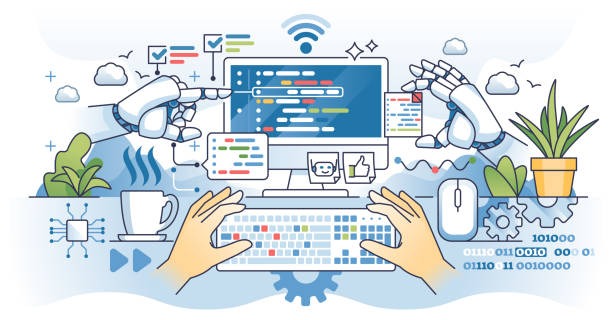
As we continue to explore innovative business models, the role of technology cannot be overlooked. With advancements in artificial intelligence, machine learning, and automation, businesses have unprecedented opportunities to enhance their operations. However, the key lies in embracing technology with a human touch.
The most successful companies are those that find the balance between leveraging technology and maintaining genuine human connections. For instance, while chatbots can streamline customer service, it’s essential to ensure that real human interaction is still accessible when needed. Technology should enhance the customer experience, not replace the warmth and empathy that come from human interaction.
The journey ahead
As we look to the future, the exploration of innovative business models will undoubtedly continue to evolve. The landscape is filled with possibilities, and the most successful businesses will be those that remain open to change. By prioritizing sustainability, collaboration, balance, personalization, and the thoughtful integration of technology, companies can create models that not only thrive in a competitive market but also contribute positively to society.
The journey of innovation is not just about profit; it’s about creating a legacy that resonates with the world. As businesses embark on this path, they have the opportunity to inspire others, foster community, and drive positive change. In this ever-evolving landscape, the possibilities are limitless, and the potential for impact is profound. Embracing innovation is not merely a strategy; it’s a commitment to a brighter, more connected future.