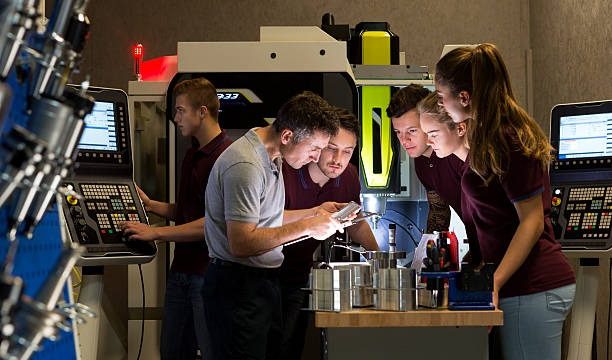
Professional development is changing as technology becomes a larger part of the modern workplace.
Employees are expected to learn new skills, adapt to changing tools, and continue improving throughout their careers.
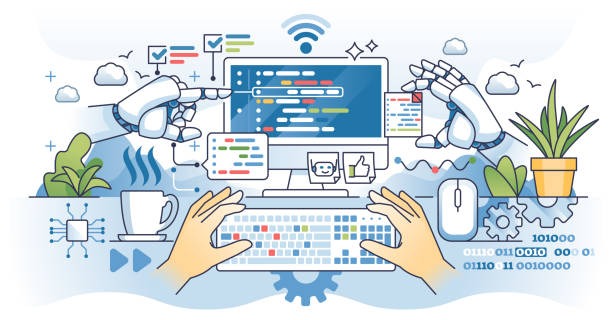
Artificial intelligence (AI) is becoming an important part of this process by helping professionals access information, organize learning activities, and work more efficiently.
One major way AI can support professional development is by helping employees learn more efficiently. Professionals often need to understand large amounts of information, including reports, documents, instructions, and educational materials. AI can process large volumes of information and help users identify important details, summarize content, and organize information into more manageable forms.
AI can also support employees as they develop new workplace skills. As businesses adopt new technologies, workers may need to learn how to use unfamiliar software and adapt their existing workflows. AI can serve as an assistant during this transition by helping employees understand processes, organize tasks, and find relevant information. This can make continuous learning a more practical part of everyday work.
Another important benefit is personalized support. Different professionals have different responsibilities, experience levels, and learning needs. AI-supported tools can help employees work with information relevant to their specific tasks rather than requiring everyone to follow exactly the same approach. However, organizations should still provide appropriate training and guidance so employees understand how to use AI effectively.
AI may also change the way organizations identify higher-value skills. When repetitive administrative activities are automated, employees can spend more time on communication, creativity, critical thinking, decision-making, and problem-solving. AI automation can assist with routine tasks such as organizing requests, creating reports, sorting information, and drafting standard communications.
At the same time, professional development in an AI-supported workplace requires AI literacy. Employees need to understand not only how to use AI tools but also their limitations. AI can make mistakes, misunderstand context, or produce inaccurate information. Important decisions should therefore continue to receive appropriate human review.
Organizations also need to consider privacy and security when using AI for learning and workplace development. Professional training may involve employee records, business documents, or confidential information. Companies should understand how AI systems handle data and ensure sensitive information is processed through approved and secure systems.
Successful professional development should also involve employee participation and feedback. Workers may have concerns about how AI will affect their responsibilities. Providing training, explaining the purpose of new systems, and allowing employees to share feedback can make technology adoption more effective.
In conclusion, AI is changing professional development by making information easier to organize, supporting continuous learning, reducing repetitive work, and helping employees adapt to new technologies. The future of professional development will likely combine AI-powered assistance with human experience, judgment, creativity, and collaboration. Organizations that use AI responsibly while investing in their employees can create a workplace where continuous learning becomes a natural part of professional growth.