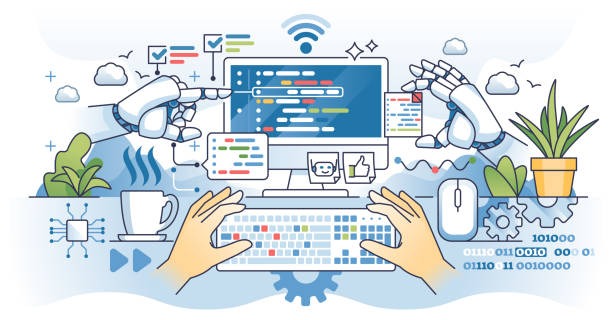
In today’s fast-paced world, the ability to code has become a valuable skill, opening doors to countless opportunities.
Whether you’re curious about technology, interested in enhancing your career, or simply looking for a new hobby, learning to code can be a fulfilling journey.
The beauty of coding lies in its accessibility; anyone can begin this adventure, and the journey is often as rewarding as the end goal.
A gentle start to your coding journey
Starting to learn coding can feel overwhelming at first glance. With a plethora of languages, platforms, and resources available, it’s easy to get lost in the sea of information. However, just like any new endeavor, taking a step-by-step approach can help you navigate this landscape with ease. Begin by identifying what draws you to coding. Are you interested in web development, mobile apps, or perhaps data analysis? Understanding your motivation can guide your learning path and keep you engaged.
Once you have a sense of direction, consider starting with a beginner-friendly language. Python, for instance, is often recommended for newcomers due to its clear syntax and versatility. It’s a language used in various fields, from web development to data science, making it an excellent choice for those exploring their interests.
Finding your rhythm with resources
With your language in mind, it’s time to explore the resources available to you. The internet is brimming with tutorials, online courses, and community forums. Websites like Codecademy, freeCodeCamp, and Khan Academy offer interactive courses that can help you grasp the basics. Many of these platforms allow you to learn at your own pace, which is an essential aspect of maintaining balance in your life while embarking on this new journey.
Consider setting aside a specific time each day or week for your coding practice. Consistency is key, even if it’s just a short session. This deliberate approach can help you build a routine that fits seamlessly into your lifestyle, making your learning experience enjoyable rather than overwhelming.
Connecting with the community
As you delve deeper into coding, don’t underestimate the power of community. Engaging with others who share your interests can be incredibly motivating. Online forums, social media groups, and local meetups offer opportunities to connect with fellow learners and experienced coders alike. Sharing your experiences, asking questions, and collaborating on projects can enhance your understanding and make the journey more enjoyable.
Additionally, participating in coding challenges or hackathons can provide practical experience and boost your confidence. These events often foster a supportive environment where newcomers can learn from others while contributing to real-world projects.
Embracing the learning process
It’s essential to approach coding with a mindset of curiosity and patience. Remember that learning to code is not a race; it’s a journey filled with discovery. You might encounter challenges along the way, and that’s perfectly normal. Each obstacle is an opportunity to learn and grow. Embrace the moments of confusion as part of the process, as they often lead to the most significant breakthroughs.
One effective way to reinforce your learning is to build small projects that interest you. Whether it’s a personal website, a simple game, or a tool to automate a task, creating something tangible can solidify your understanding of concepts. These projects don’t have to be perfect; they simply need to reflect your current skill level while challenging you to learn more.
A small shift toward balance
As you immerse yourself in coding, it’s vital to maintain a sense of balance in your life. It can be easy to get caught up in the excitement and spend hours in front of a screen. Remember to take breaks, step outside, and engage in other activities that bring you joy. A well-rounded approach to learning will help prevent burnout and keep your enthusiasm alive.
Consider integrating coding into your daily life in small ways. For instance, you might try coding a simple script to automate a mundane task or explore coding-related podcasts during your commute. These small shifts can keep your learning fresh and integrated into your routine without overwhelming you.
Reflecting on your journey
As you progress in your coding skills, take time to reflect on how far you’ve come. Celebrate your achievements, no matter how small they may seem. Keeping a journal of your learning experiences can be a wonderful way to track your growth and recognize patterns in your learning process. Writing about your challenges and successes can provide clarity and reinforce your motivation.
Moreover, don’t hesitate to revisit concepts or projects that you found difficult earlier. Sometimes, a second look can yield new insights and understanding. Coding is a continuous learning experience, and each step builds upon the last.
Looking ahead
As you continue to learn coding, keep an open mind about the possibilities that lie ahead. The tech landscape is ever-evolving, and new languages and frameworks emerge regularly. Staying curious and adaptable will serve you well in this fast-paced environment.
Moreover, consider branching out into related areas, such as web design, cybersecurity, or artificial intelligence. Each of these fields offers unique opportunities for growth and exploration, allowing you to expand your skill set and discover new passions.
In conclusion, learning to code is an enriching journey that can enhance your life in myriad ways. By approaching this adventure step by step, connecting with a community, embracing the learning process, and maintaining balance, you can cultivate a rewarding coding practice that aligns with your lifestyle. As you embark on this journey, remember to enjoy each moment, celebrate your progress, and keep your curiosity alive. The world of coding is vast, and there’s always something new to discover.