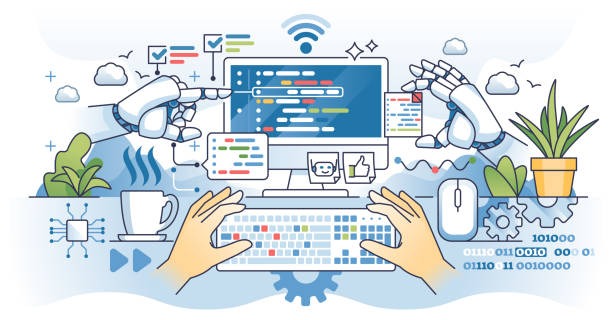
Learning Java for Beginners
In today’s fast-paced digital world, the ability to code is becoming as essential as reading and writing.
Among the various programming languages available, Java stands out for its versatility and robustness.
Whether you’re looking to enhance your career, dive into the world of software development, or simply explore a new hobby, learning Java can be a rewarding journey. This article aims to gently guide you through the first steps of this exciting endeavor, making the experience both enjoyable and enriching.
Why Java?
Java has been around since the mid-1990s and has remained a popular choice for developers across the globe. One of its most appealing features is its “write once, run anywhere” capability, meaning that Java code can run on any device that has a Java Virtual Machine (JVM). This flexibility makes it a go-to choice for building everything from mobile applications to large-scale enterprise systems.
Moreover, Java is known for its strong community support. As a beginner, this is incredibly valuable; you’ll find countless resources, forums, and tutorials that can help guide you through challenges and provide answers to your questions. The sense of belonging to a larger community can also be quite motivating, as you can share your experiences and learn from others on a similar path.
Setting the Scene for Learning
Before diving into the technical aspects of Java, it’s important to create an environment conducive to learning. This doesn’t mean you need a dedicated office or a fancy setup; what matters most is a quiet space where you feel comfortable and focused. Consider surrounding yourself with inspiring materials—books, articles, or even quotes from developers you admire. This gentle ambiance can help you cultivate a mindset that’s open to learning.
As you settle into this space, it’s also beneficial to establish a routine. Consistency can significantly enhance your learning experience. Whether it’s dedicating a specific time each day or week to practice coding, having a routine can make the process feel more manageable and less overwhelming.
Taking the First Steps
The first step in your Java journey is to familiarize yourself with the basics. Start by downloading the Java Development Kit (JDK) and setting up your development environment. There are several Integrated Development Environments (IDEs) available, such as Eclipse or IntelliJ IDEA, which can make coding smoother and more intuitive. Don’t worry if this feels a bit daunting at first; it’s all part of the learning process.
Once your environment is set up, begin with the fundamental concepts of Java. Understanding variables, data types, and control structures will lay a solid foundation for your coding journey. Take your time with these concepts; there’s no need to rush. The beauty of learning something new is that every small victory contributes to your overall understanding.
A Small Shift Toward Balance
As you delve deeper into Java, you may encounter challenges that test your patience. It’s completely normal to feel frustrated at times. Embrace these moments as opportunities for growth. When you find yourself stuck, take a step back, breathe, and perhaps switch gears for a little while. Engage in a different activity or revisit a foundational concept. This gentle shift in focus can often lead to clarity and renewed motivation.
Consider joining online forums or local coding groups where you can connect with other learners. Sharing your struggles and triumphs can provide both encouragement and fresh perspectives. Remember, you are not alone in this journey, and the support of others can be incredibly uplifting.
Engaging with Resources
In the age of information, resources for learning Java are abundant. From online courses to video tutorials, you have a wealth of knowledge at your fingertips. Websites like Codecademy, Coursera, and Udemy offer structured courses that can guide you through the learning process. Choose a resource that resonates with your learning style, whether it’s hands-on coding projects, interactive exercises, or more traditional classroom-style lessons.
Books can also be invaluable companions on your journey. Titles like “Head First Java” or “Effective Java” provide insights that are both practical and engaging. They can deepen your understanding while also sparking your creativity as you envision the possibilities of what you can create with Java.
Practicing with Purpose
As you gain confidence in your coding skills, it’s time to put your knowledge into practice. Start small by working on simple projects that interest you. This could be anything from a basic calculator to a simple game. The key is to choose projects that align with your interests, making the learning experience enjoyable rather than a chore.
Don’t hesitate to experiment. Java, like any language, is best learned through trial and error. As you build your projects, you’ll inevitably encounter bugs and issues. Instead of viewing these as setbacks, see them as learning opportunities. Debugging is an essential skill for any developer, and each challenge you overcome will only enhance your proficiency.
Celebrating Progress
As you navigate your learning journey, take time to celebrate your progress, no matter how small it may seem. Completing a project, mastering a new concept, or simply writing your first line of code are all milestones worth acknowledging. These moments of recognition can boost your motivation and remind you of how far you’ve come.
Consider keeping a journal of your coding journey. Documenting your experiences, challenges, and victories can provide a reflective space where you can see your growth over time. This practice can also serve as a source of inspiration when you encounter tough days.
Embracing the Journey
Learning Java is not just about acquiring a new skill; it’s about embracing a journey filled with discovery and self-growth. As you explore this programming language, you’ll find that it opens doors to new possibilities, both personally and professionally. The more you immerse yourself in the world of coding, the more you’ll discover about your own potential and creativity.
In the end, remember that every expert was once a beginner. With patience, practice, and a willingness to learn, you will find yourself growing in ways you may not have imagined. So take a deep breath, dive in, and enjoy the beautiful journey of learning Java.