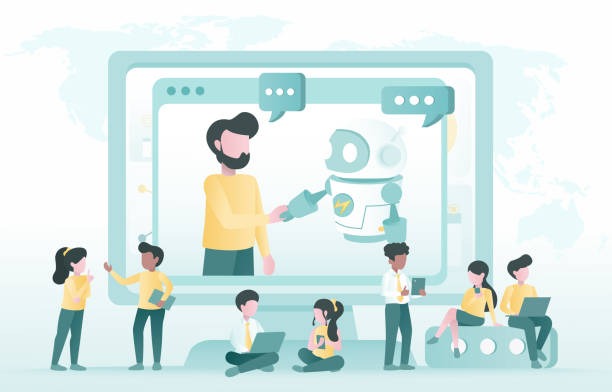
As we navigate through the ever-evolving landscape of education, one thing is becoming increasingly clear: personalization is key.
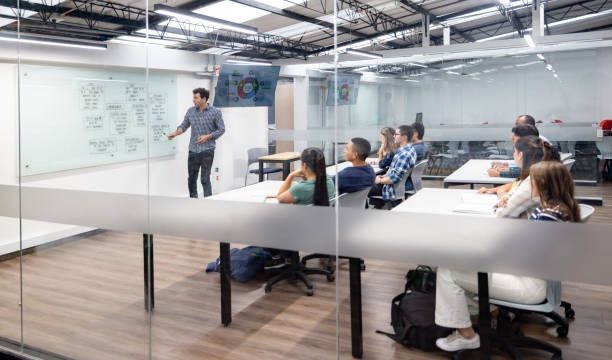
The traditional classroom, while effective in many ways, often struggles to meet the diverse needs of every student.
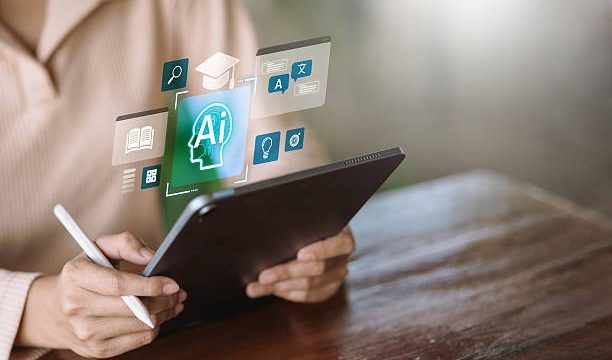
Herein lies the beauty of artificial intelligence (AI).
This technology has the potential to transform educational experiences by tailoring them to individual learning styles, preferences, and paces.
A gentle shift toward understanding
Imagine a classroom where every student feels seen and understood, a space where lessons adapt not just to the curriculum but to the unique journey of each learner. AI can help create this environment by analyzing data on student performance and engagement. For instance, if a student consistently struggles with a particular concept, AI systems can identify this pattern and suggest additional resources or alternative teaching methods that might resonate better. This personalized approach can foster a supportive atmosphere where students are encouraged to thrive.
Creating a nurturing environment
One of the most heartening aspects of AI in education is its ability to nurture a sense of belonging. In a world where students often feel overwhelmed by the pressures of academic performance, AI can serve as a gentle guide. By providing real-time feedback, it can help students understand their strengths and areas for improvement without the harshness of traditional grading systems. This immediate response can be incredibly reassuring, allowing learners to adjust their strategies and efforts in a supportive manner.
Moreover, AI can facilitate communication between teachers and students. By analyzing data from various sources, it can highlight trends that educators might not readily see. For example, if a group of students is having difficulty with a specific topic, teachers can be alerted to address it before it becomes a larger issue. This proactive approach creates a more harmonious classroom environment, where everyone feels engaged and valued.
The art of individualized learning
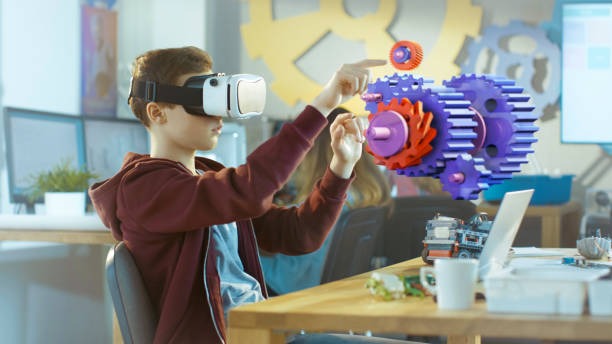
Every student has a unique way of processing information, and AI can accommodate these differences beautifully. Imagine a student who learns best through visuals, while another thrives on auditory learning. AI can curate resources tailored to these preferences, offering videos, podcasts, or interactive simulations that resonate with each individual. This flexibility not only enhances understanding but also makes learning more enjoyable.
In addition, AI can adjust the pacing of lessons. Some students may grasp concepts quickly, while others might need more time. With AI-driven tools, lessons can be customized to suit these varying speeds, allowing students to progress at their own pace without feeling rushed or held back. This individualized approach can significantly reduce anxiety and foster a lifelong love of learning.
Fostering connections and collaboration
Beyond personalizing learning experiences, AI can also bring students together in meaningful ways. Collaborative projects can be enhanced through AI platforms that match students with complementary skills and interests. This not only builds teamwork and communication skills but also enriches the learning experience as students share diverse perspectives.
Additionally, AI can help identify social dynamics within the classroom. By analyzing interactions and engagement levels, educators can better understand how to encourage collaboration among students who may not naturally gravitate toward one another. This insight can lead to a more inclusive environment, where every student has the opportunity to contribute and learn from their peers.
A bridge to the future
As we look toward the future, the integration of AI in education seems poised to expand even further. From intelligent tutoring systems that provide personalized support to virtual classrooms that adapt in real-time, the possibilities are vast. This evolution is not just about technology; it’s about creating a more compassionate and effective educational landscape.
The role of educators remains crucial in this journey. While AI can offer invaluable insights and resources, the human touch is irreplaceable. Teachers will continue to be the heart of the classroom, guiding students with empathy and understanding. AI should be seen as a tool that empowers educators, allowing them to focus on what they do best: inspire and nurture young minds.
Embracing the balance
Incorporating AI into the classroom invites us to reflect on the balance between technology and human interaction. While the allure of data-driven insights can be compelling, we must remember the importance of connection. Education is not solely about information transfer; it’s about building relationships, fostering curiosity, and encouraging growth.
As we embrace the possibilities that AI offers, let us also ensure that we nurture the human aspects of learning. By finding harmony between technology and personal connection, we can create classrooms that are not only innovative but also warm and inviting spaces for all students.
In conclusion, the potential for AI to personalize classroom experiences is profound. By understanding individual learning needs, fostering collaboration, and enhancing teacher-student interactions, AI can help create a more inclusive and supportive educational environment. As we continue to explore the intersection of technology and education, let us remain committed to nurturing the unique journeys of every learner. In doing so, we can inspire a generation that feels empowered to reach their full potential.