In today’s fast-paced world, the integration of artificial intelligence into education is becoming increasingly prevalent.
Many educators and students alike are discovering how AI can elevate the learning experience, making it more engaging, personalized, and effective.
As we explore the various ways AI enhances student learning outcomes, it’s essential to approach the subject with an open mind, embracing the possibilities that technology brings to the educational landscape.
A gentle introduction to personalized learning
One of the most significant contributions of AI to education is its ability to tailor learning experiences to individual students. Traditional teaching methods often adopt a one-size-fits-all approach, which can leave some students feeling lost while others may not be sufficiently challenged. AI-based systems can analyze a student’s strengths, weaknesses, learning pace, and preferences, creating a customized learning path that suits their unique needs.
Imagine a classroom where each student receives lessons designed specifically for them. With AI, this vision is becoming a reality. Through adaptive learning platforms, students can engage with material at a level that resonates with them, allowing for a deeper understanding and retention of knowledge. This personalized approach not only boosts academic performance but also fosters a sense of ownership over one’s learning journey.
Creating a supportive learning environment
AI can also help create a more supportive atmosphere in the classroom. By analyzing student data, AI tools can identify those who may be struggling or at risk of falling behind. This early detection allows educators to intervene promptly, offering additional resources or support before issues escalate. The ability to track student progress in real-time ensures that no child is left behind, which is a crucial aspect of a nurturing educational experience.
Moreover, AI can assist teachers in managing their workload. By automating administrative tasks such as grading and attendance tracking, educators can dedicate more time to engaging with their students. This not only enhances the teacher-student relationship but also cultivates a more positive classroom environment where students feel valued and encouraged.
Fostering creativity and critical thinking
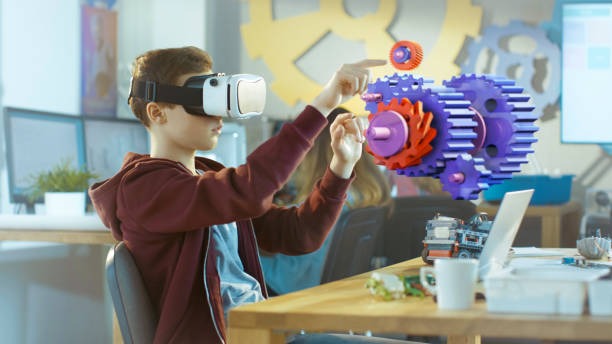
While some may worry that AI could stifle creativity, the opposite is often true. AI tools can serve as catalysts for innovation in the classroom. For instance, students can use AI-powered applications to explore complex subjects in a more interactive and imaginative way. Whether it’s utilizing virtual reality to experience historical events or employing AI-driven art programs to create unique pieces, technology can inspire students to think outside the box.
Additionally, AI can facilitate critical thinking by presenting students with real-world problems and encouraging them to devise solutions. By engaging in project-based learning supported by AI, students develop essential skills such as problem-solving, collaboration, and adaptability—traits that are invaluable in today’s ever-evolving society.
Encouraging a growth mindset
An essential aspect of effective learning is fostering a growth mindset, where students view challenges as opportunities for growth rather than obstacles to be avoided. AI can play a vital role in reinforcing this mindset by providing instant feedback. Instead of waiting days for a teacher to return an assignment, students can receive immediate insights into their performance. This real-time feedback allows for continuous improvement and encourages students to take risks in their learning without the fear of failure.
Moreover, AI can help cultivate resilience by offering personalized encouragement and resources tailored to individual learning styles. When students see that they can improve through effort and persistence, they are more likely to embrace challenges with enthusiasm.
Building connections beyond the classroom
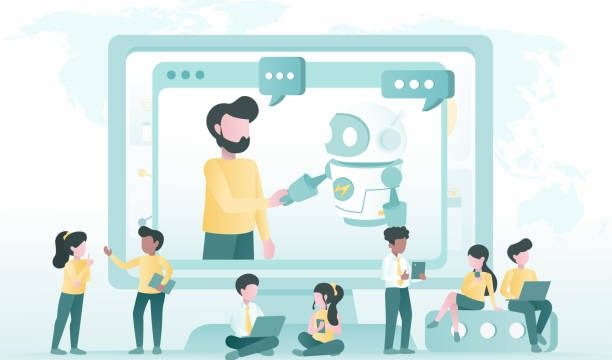
AI is not only transforming the learning experience within traditional classroom settings but also facilitating connections beyond them. Online learning platforms powered by AI enable students to collaborate with peers from around the globe, sharing ideas and perspectives that enrich their educational experience. This interconnectedness fosters cultural awareness and empathy, essential qualities in a diverse world.
Additionally, AI can help students explore career paths and interests through personalized recommendations based on their skills and preferences. By guiding students toward resources and opportunities that align with their aspirations, AI can inspire them to pursue their passions with confidence.
A small shift toward balance
While the benefits of AI in education are significant, it’s crucial to approach this technology with a balanced perspective. The human element of teaching remains irreplaceable, and AI should be viewed as a tool that complements, rather than replaces, the invaluable connections formed between educators and students. Technology can enhance learning outcomes, but the warmth, empathy, and understanding that a teacher brings to the classroom are irreplaceable.
As we continue to navigate this new educational landscape, it’s essential to remain mindful of the importance of emotional intelligence in learning. Combining AI’s capabilities with the human touch can create a harmonious balance that nurtures students’ academic and personal growth.
Embracing the future of education
The integration of AI into education is still in its early stages, but the potential it holds for improving student learning outcomes is vast. As we embrace this innovative technology, it’s essential to remain open to new ideas and approaches. By harnessing the power of AI, we can create a more inclusive, engaging, and effective learning environment for all students.
In conclusion, the journey toward enhanced learning outcomes through AI is an exciting one. It invites educators, students, and parents to collaborate in exploring new possibilities and to cultivate a love for lifelong learning. By embracing the opportunities that AI presents, we can pave the way for a brighter future in education, one where every student has the chance to thrive.