In a world that never stops evolving, the importance of lifelong learning has never been more pronounced.
It’s an enriching journey that extends beyond formal education and into the very fabric of our daily lives.
Building lifelong learners begins with nurturing foundational skills that empower individuals to adapt, grow, and thrive in an ever-changing landscape. This journey is not just about acquiring knowledge; it’s about fostering a mindset that embraces curiosity, resilience, and a passion for discovery.
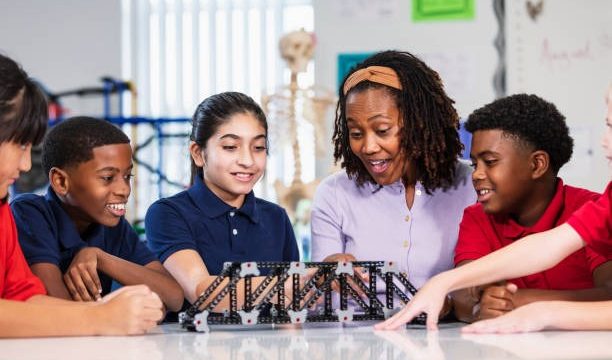
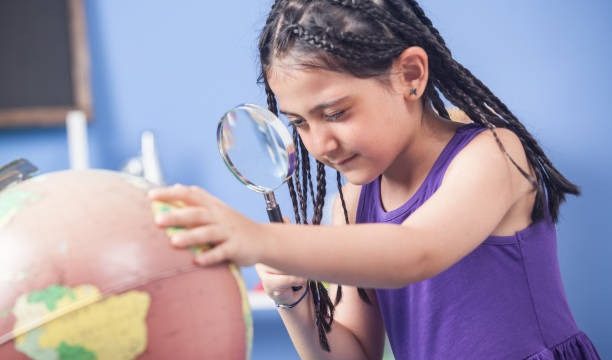
The seeds of lifelong learning are often sown in the early years. Children who are encouraged to explore, ask questions, and engage with the world around them develop a natural inclination toward learning. This foundational stage is crucial. It’s where the love for learning is cultivated, and it sets the tone for how individuals will approach knowledge as they grow. By creating an environment that celebrates inquiry and creativity, we can inspire young minds to see learning as an enjoyable adventure rather than a chore.
A gentle shift toward curiosity can be achieved through simple practices at home. Encouraging children to pursue their interests, whether it’s through reading, art, or science experiments, fosters a sense of agency and excitement. Providing them with the freedom to explore topics that spark their curiosity can lead to a deeper engagement with learning. Instead of focusing solely on grades or outcomes, we can emphasize the joy of discovery and the process of learning itself. This approach not only nurtures foundational skills but also instills a lifelong love for knowledge.
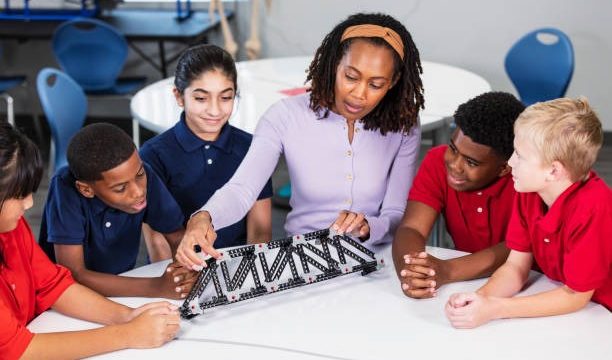
As children transition into adolescence, the landscape of learning expands. Here, foundational skills like critical thinking, problem-solving, and effective communication become increasingly important. These skills are essential not only for academic success but also for navigating the complexities of life. Encouraging teenagers to engage in discussions, participate in group projects, and tackle real-world problems can significantly enhance their ability to think critically and collaborate with others. It’s about equipping them with the tools they need to analyze information, make informed decisions, and express their ideas confidently.
Supportive relationships play a pivotal role in this developmental phase. Mentorship, whether from parents, teachers, or community members, can provide invaluable guidance. When young people feel supported in their learning journeys, they are more likely to take risks and explore new ideas. Celebrating their achievements, no matter how small, reinforces their confidence and motivates them to continue pursuing knowledge. This nurturing environment fosters resilience, teaching them that setbacks are a natural part of the learning process.
As we move into adulthood, the concept of lifelong learning takes on new dimensions. The world is filled with opportunities for personal and professional growth. Embracing a mindset of continuous learning can lead to fulfilling experiences and new pathways. This is where foundational skills truly shine. The ability to adapt, learn new technologies, and engage with diverse perspectives becomes essential in a rapidly changing job market. Those who commit to lifelong learning often find themselves better equipped to navigate challenges and seize opportunities.
In this phase of life, it’s beneficial to cultivate habits that promote ongoing education. This could be as simple as setting aside time each week to read a book, join a workshop, or take an online course. Engaging with a community of learners, whether through local classes or online forums, can also enhance the experience. Sharing ideas and experiences with others not only enriches our understanding but also builds connections that can lead to new opportunities.
Moreover, the pursuit of knowledge is not limited to formal education. Lifelong learners often find value in everyday experiences. Travel, volunteering, and exploring new hobbies can provide rich learning opportunities. Each new experience offers a chance to gain insights, challenge assumptions, and broaden perspectives. It’s about embracing the world as a classroom and recognizing that learning can happen in the most unexpected places.
As we reflect on the journey of lifelong learning, it’s important to acknowledge the role of mindfulness in this process. In our fast-paced lives, it can be easy to overlook the importance of being present and engaged in our learning experiences. Practicing mindfulness can enhance our ability to absorb information and appreciate the nuances of the learning journey. Taking the time to reflect on what we’ve learned, celebrating our progress, and being open to new ideas cultivates a deeper connection to the learning process.
In fostering lifelong learners, we create a ripple effect that extends beyond individuals. When we encourage a culture of learning within families, schools, and communities, we contribute to a more informed and engaged society. Lifelong learners are often more empathetic, adaptable, and innovative. They become change-makers who are equipped to tackle the challenges of the future with creativity and resilience.
Ultimately, building lifelong learners through foundational skills is about nurturing a mindset that values growth and exploration. It’s about creating environments where curiosity is encouraged, relationships are supportive, and learning is seen as a joyful journey. As we embark on this journey ourselves, let us embrace the beauty of learning in all its forms, encouraging ourselves and those around us to be open, inquisitive, and engaged. In doing so, we not only enrich our own lives but also inspire others to embark on their own paths of discovery.