In a world that’s constantly evolving, the importance of preparing learners for the future has never been more evident.
As technology advances and societal needs shift, the skills we cultivate today will shape the leaders, innovators, and thinkers of tomorrow.
Developing these skills is not just about academic achievement; it’s about nurturing a mindset that embraces adaptability, creativity, and collaboration.
The landscape of education is changing. Traditional methods of instruction are giving way to more dynamic approaches that encourage critical thinking and problem-solving. This transformation calls for a gentle shift in how we view learning itself. Instead of merely absorbing information, learners are encouraged to engage with it, question it, and apply it in real-world contexts. This active participation fosters a deeper understanding and prepares individuals to navigate the complexities of modern life.
As we consider the skills that will be essential for future success, we find a blend of both hard and soft skills. Hard skills, like technical proficiency in coding or data analysis, are critical in many fields. However, the importance of soft skills such as emotional intelligence, communication, and teamwork cannot be overstated. These interpersonal abilities often dictate how effectively one can work with others, manage conflict, and lead initiatives.
A nurturing environment is key to developing these skills. Education should be a space where learners feel safe to express themselves and explore their interests. When individuals are encouraged to take risks and make mistakes, they develop resilience and a willingness to learn from experience. This process of trial and error is not only essential for personal growth but also mirrors the challenges they will face in the workforce.
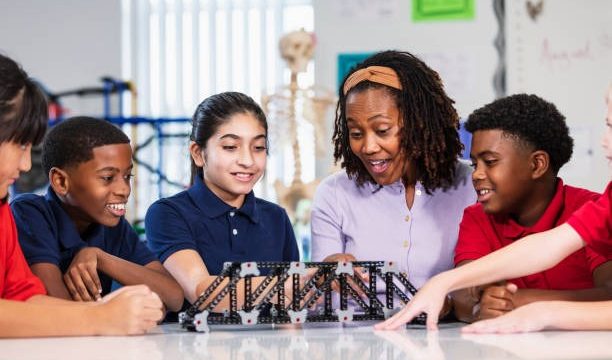
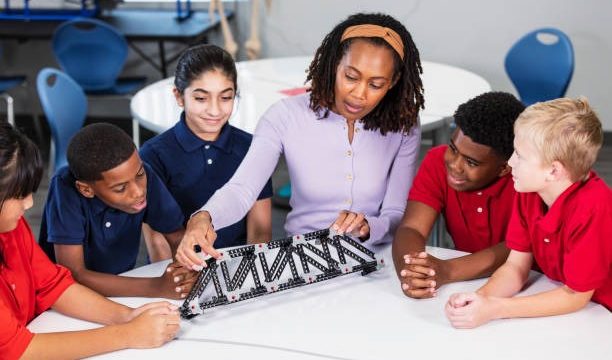
Creating opportunities for collaboration is another essential aspect of skill development. Group projects, community service, and peer mentoring can provide rich contexts for learners to practice working with diverse perspectives. These experiences help individuals understand the value of teamwork and learn how to communicate effectively with others. In a world where many problems require collective effort to solve, being able to collaborate is a skill that will serve learners well into the future.
Moreover, cultivating creativity is vital in today’s fast-paced environment. As industries evolve, the ability to think outside the box becomes increasingly valuable. Encouraging learners to engage in creative pursuits—whether through art, music, writing, or innovative problem-solving—fosters a mindset that embraces curiosity and exploration. This creative thinking can lead to novel solutions and approaches that may not have been considered otherwise.
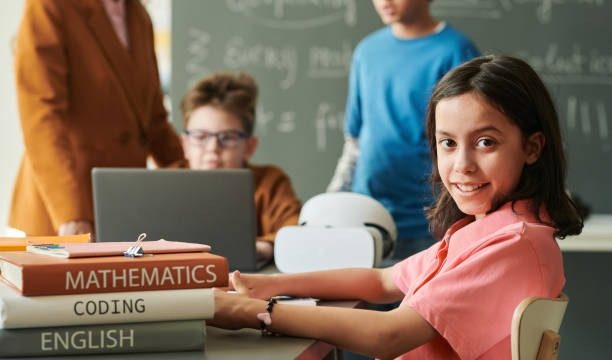
A small shift toward balance is essential when discussing the role of technology in education. While digital literacy is undeniably important, it’s equally crucial to foster a healthy relationship with technology. Learners should be guided on how to use technology as a tool for enhancing their skills rather than letting it dictate their learning experience. Encouraging mindful consumption of technology helps students develop critical thinking skills, enabling them to assess information critically and discern credible sources from unreliable ones.
In addition to individual development, community engagement plays a significant role in preparing learners for the future. By connecting learners with local organizations, businesses, and mentors, we can create pathways for real-world experiences. These interactions not only enrich the learning process but also provide insights into various career paths and the skills required to thrive in them. Real-life experiences can serve as a powerful motivator, making learning relevant and inspiring.
As we reflect on the skills necessary for future success, it’s essential to consider the role of self-directed learning. Encouraging learners to take ownership of their educational journey fosters independence and instills a lifelong love of learning. This approach allows individuals to pursue their passions and interests, leading to a more engaged and motivated learner. When students are empowered to explore topics that resonate with them, they develop a sense of agency that will carry them through their personal and professional lives.
Another crucial aspect is the need for adaptability. In an ever-changing world, the ability to pivot and embrace change is paramount. Teaching learners to be flexible in their thinking and open to new ideas prepares them to navigate uncertainties with confidence. This adaptability will serve them well in various aspects of life, from career transitions to personal challenges.
As we look toward the future, it’s clear that the skills we nurture in learners today will shape the world they inhabit tomorrow. Emphasizing a balanced approach to education, one that values both hard and soft skills, creativity, collaboration, and adaptability, will create a generation of individuals who are not only prepared to succeed but also to contribute positively to society.
Ultimately, developing skills for the future is a journey that requires patience, encouragement, and a commitment to growth. By fostering an environment that values exploration, creativity, and collaboration, we can help learners thrive in an unpredictable world. As we support their development, we also invest in a brighter future for all, one where individuals are equipped to face challenges with resilience and ingenuity.
In this ever-evolving landscape, let us remember the importance of nurturing not just knowledge, but the holistic development of learners. By doing so, we pave the way for a future filled with potential, creativity, and meaningful contributions to our communities and beyond.