Classroom Techniques That Enhance Formative Assessment
In the vibrant world of education, formative assessment is like a gentle breeze that guides students toward their personal learning destinations.
It’s not merely about grades or tests; rather, it’s a nurturing process that helps educators understand where each student is on their learning journey.
By integrating effective techniques into the classroom, teachers can create an environment that fosters growth, encourages reflection, and ultimately enhances learning outcomes.
Creating a Culture of Trust
At the heart of effective formative assessment lies a culture of trust. When students feel safe and valued, they are more likely to engage openly in the learning process. Building this trust starts with simple gestures: greeting students warmly, showing genuine interest in their thoughts, and fostering an atmosphere where mistakes are seen as opportunities for growth rather than failures. When students know their voices matter, they become more invested in their learning, making assessment feel less daunting and more like a collaborative journey.
Encouraging Reflective Practices
Reflection is a powerful tool in the learning process. Encouraging students to think about what they’ve learned and how they’ve learned it can deepen their understanding. Simple reflective practices can be woven into the classroom routine—whether it’s a few moments at the end of a lesson for students to jot down their thoughts or a more structured reflection journal. These practices not only help students articulate their learning but also provide teachers with valuable insights into how each student is progressing.
Utilizing Peer Feedback
Peer feedback is another gentle yet effective technique that enhances formative assessment. When students engage in giving and receiving feedback from their peers, they develop critical thinking skills and learn to articulate their ideas more clearly. This collaborative approach fosters a sense of community within the classroom, where students can support one another in their learning journeys. Teachers can facilitate this by setting clear guidelines for feedback, ensuring that it is constructive and focused on growth rather than criticism.
Incorporating Technology Mindfully
In our tech-savvy world, incorporating technology into formative assessment can be both engaging and enlightening. Tools such as online quizzes, interactive polls, and learning management systems can provide instant feedback, helping both students and teachers gauge understanding in real-time. However, it’s essential to use these tools mindfully, ensuring they enhance rather than overshadow the personal touch that is so crucial in education. Balancing technology with personal interaction can create a rich tapestry of learning experiences.
Small Group Discussions
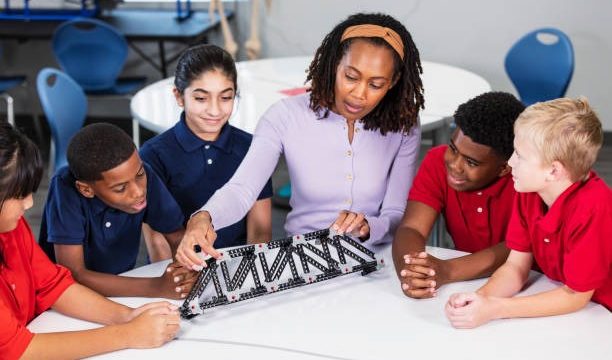
Creating opportunities for small group discussions can transform the classroom into a dynamic learning environment. In these intimate settings, students can express their ideas freely, ask questions, and collaborate on problem-solving. Teachers can circulate among the groups, listening in and assessing understanding without the pressure of formal evaluations. This approach allows for a more nuanced understanding of each student’s grasp of the material, paving the way for tailored support where needed.
Emphasizing Goal Setting
Setting personal learning goals can empower students to take ownership of their educational journey. By encouraging them to identify specific, achievable goals, teachers help students develop a sense of direction and purpose. Regular check-ins on these goals can foster a continual dialogue about progress and areas for improvement. This process not only enhances formative assessment but also cultivates self-regulation skills that will serve students well beyond the classroom.
Interactive Exit Tickets
Exit tickets are a simple yet effective way to gather feedback at the end of a lesson. By asking students to respond to a prompt or question before they leave, teachers can gain insight into what resonated with their students and what may need further clarification. This technique encourages students to reflect on their learning while providing teachers with immediate feedback to inform future lessons. It’s a small yet significant step toward understanding the collective pulse of the classroom.
Fostering a Growth Mindset
Encouraging a growth mindset is essential in enhancing formative assessment. When students believe that their abilities can improve with effort and practice, they are more likely to embrace challenges and view setbacks as stepping stones to success. Teachers can model this mindset by sharing their own learning experiences, discussing challenges they’ve faced, and celebrating progress, no matter how small. This nurturing approach creates an environment where students are motivated to engage in formative assessment as a natural part of their learning journey.
Celebrating Small Wins
In the hustle and bustle of the school year, it’s important to take a moment to celebrate small wins. Acknowledging progress, whether it’s mastering a concept or improving a skill, can boost students’ confidence and motivation. Teachers can create a culture of celebration by recognizing individual achievements and milestones, fostering a sense of accomplishment that encourages continued effort. These moments of recognition serve as gentle reminders that every step forward, no matter how small, is a vital part of the learning process.
Personalized Learning Paths
Recognizing that each student has a unique learning style and pace is crucial in formative assessment. Personalized learning paths allow students to engage with the material in a way that resonates with them. This could mean offering various resources for a topic, allowing students to choose how they demonstrate their understanding, or providing differentiated instruction based on individual needs. By tailoring the learning experience, teachers can enhance student engagement and foster a deeper connection to the material.
Listening to Student Voices
Finally, listening to student voices can profoundly impact formative assessment practices. Regularly soliciting feedback from students about their learning experiences can provide invaluable insights for teachers. This dialogue not only helps educators refine their teaching methods but also empowers students to take an active role in shaping their learning environment. When students feel heard, they are more likely to engage meaningfully in the assessment process, creating a true partnership in education.
As we explore these classroom techniques that enhance formative assessment, it becomes clear that the heart of effective teaching lies in connection, reflection, and growth. By creating a nurturing environment, encouraging open dialogue, and embracing the unique journeys of each student, educators can foster a love for learning that lasts a lifetime. In this beautiful dance of teaching and learning, formative assessment becomes not just a tool, but a pathway to discovery, understanding, and growth.