Creating a learning environment that embraces every individual can be one of the most rewarding journeys in education.
When we think about teaching materials, it’s essential to consider how they can promote inclusive learning, ensuring that every student feels represented, valued, and capable of thriving.
By thoughtfully selecting and designing these materials, educators can foster a sense of belonging that enhances the learning experience for all.
A gentle approach to inclusivity
To begin with, it’s important to recognize that inclusive learning is about more than just accommodating diverse needs; it’s about celebrating diversity itself. When teaching materials reflect a variety of cultures, backgrounds, and abilities, they invite all students to see themselves in the curriculum. This can be as simple as incorporating stories from different cultures or including images and examples that resonate with a wider audience.
For instance, literature can be a powerful tool in this regard. Books that feature protagonists from various backgrounds not only engage students but also help them understand different perspectives. When children read stories that reflect their own experiences, they feel validated. At the same time, stories from different cultures can inspire curiosity and empathy, encouraging students to appreciate the rich tapestry of human experience.
Fostering creativity and expression
Another key component of inclusive teaching materials is the ability to encourage creativity and personal expression. Providing students with a range of artistic tools and mediums allows them to express their understanding in ways that suit their individual strengths. Whether it’s through visual art, drama, or writing, offering multiple avenues for expression can help students who may struggle with traditional assessments to shine.
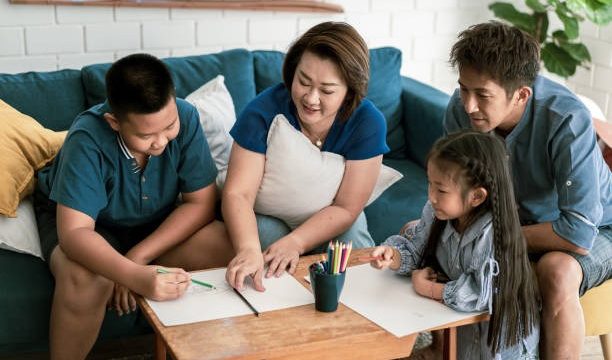
For example, incorporating art projects that invite students to depict their interpretations of a lesson can be incredibly rewarding. This not only allows for personal expression but also opens the door for collaborative projects that enhance social skills. Working together on creative tasks fosters a sense of community and belonging, reinforcing the idea that every voice matters.
A small shift toward balance
Incorporating technology into the classroom can also support inclusive learning. Using digital tools that cater to various learning styles can make a significant difference. For instance, educational apps that offer interactive learning experiences can engage visual and auditory learners alike. Additionally, many of these tools come equipped with accessibility features, such as text-to-speech or adjustable font sizes, which can help students with different needs fully participate in the learning process.
Moreover, when selecting technology, it’s beneficial to focus on applications that allow for differentiation. This means that students can work at their own pace, demonstrating their understanding in ways that feel comfortable to them. This sense of ownership over their learning can be particularly empowering for students who may struggle in more traditional settings.
Creating a sense of community
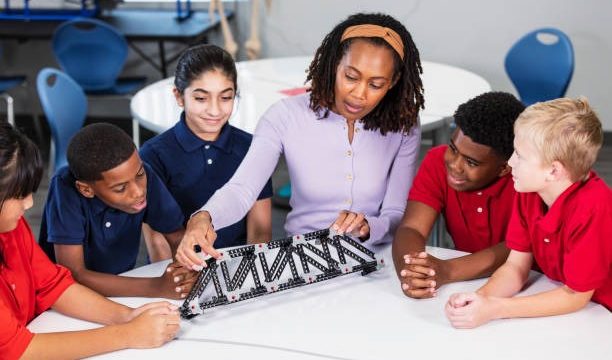
One of the most important aspects of inclusive teaching materials is their ability to foster a sense of community. Resources that encourage collaboration and teamwork can help students build relationships and support one another. Group projects, peer teaching, and cooperative learning activities promote not only academic success but also social skills that are vital for personal growth.
When students work together, they learn to appreciate each other’s strengths and differences. This sense of community can be nurtured by integrating materials that require cooperation, such as games or challenges that can only be solved through teamwork. These experiences create bonds among students, making the classroom a more welcoming and supportive space.
The importance of feedback
Feedback is another crucial element in promoting inclusive learning. Teaching materials that include opportunities for self-assessment and peer feedback can empower students to take ownership of their learning journey. Encouraging students to reflect on their work and the work of their peers fosters a growth mindset, where mistakes are seen as opportunities for growth rather than setbacks.
Creating a culture of constructive feedback can be particularly beneficial in mixed-ability classrooms. By teaching students how to give and receive feedback respectfully, educators can help them develop empathy and understanding towards one another. This approach not only enhances learning but also builds a sense of trust and respect among classmates.
Mindful consideration of diverse needs
As educators develop teaching materials, it’s vital to keep in mind the varied needs of their students. This means being thoughtful about how content is presented and ensuring that it is accessible to everyone. Simple adjustments, such as using clear language, providing visual aids, or offering alternative formats, can make a world of difference.
In addition, it’s worth considering the emotional and social aspects of learning. Including materials that address social-emotional learning can help students navigate their feelings and build resilience. Resources that promote mindfulness, empathy, and cooperation can enhance the overall classroom environment, making it a place where all students feel safe and supported.
An ongoing journey
Promoting inclusive learning through teaching materials is an ongoing journey. It requires a commitment to continuous reflection and adaptation. Educators can benefit from seeking feedback from their students about what works and what doesn’t. This collaborative approach not only empowers students but also encourages educators to be flexible and open to new ideas.
Ultimately, the goal is to create a learning environment where every student feels seen and valued. By thoughtfully selecting and designing teaching materials that embrace diversity, encourage creativity, and foster community, educators can help all students thrive. This journey toward inclusivity enriches not only the classroom experience but also the lives of everyone involved, creating a more compassionate and understanding world.